Which AI is best for photos?
For photos of a specific real person, a selfie-trained generator like MakeAiPhotos is the best AI, because it learns your face from one selfie and holds that likeness across every output. For invented scenes with no real person, Midjourney and ChatGPT Images lead on raw image quality.
No single tool wins both jobs, so pick by what the photo must show. The full ranking with pricing is in best AI for photos in 2026.
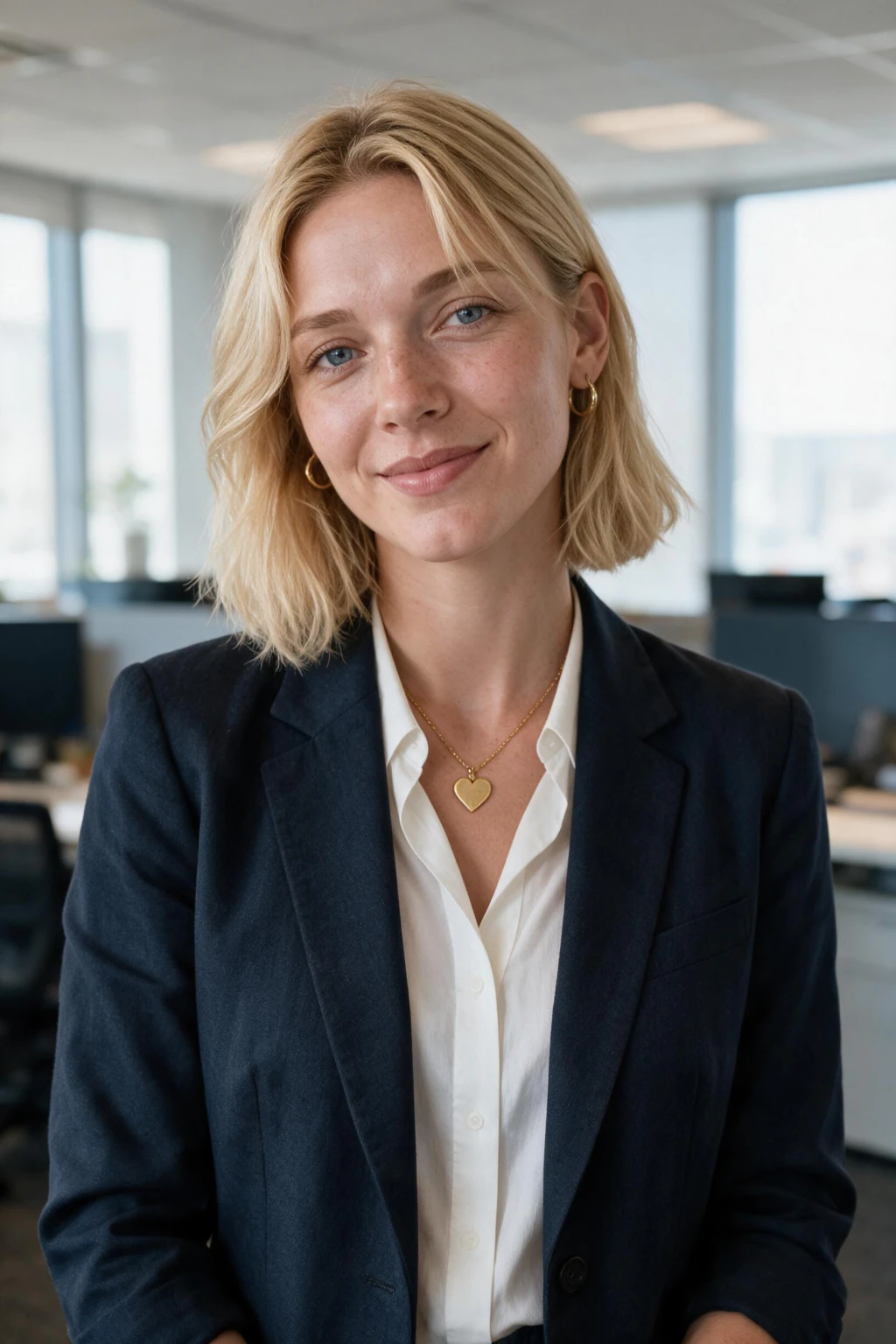
One phone selfie to 5 AI photos of the same person
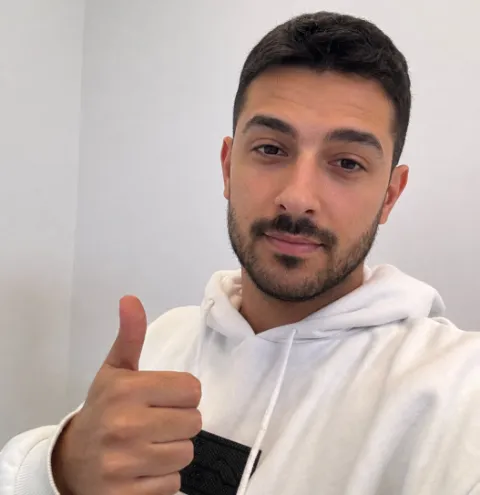
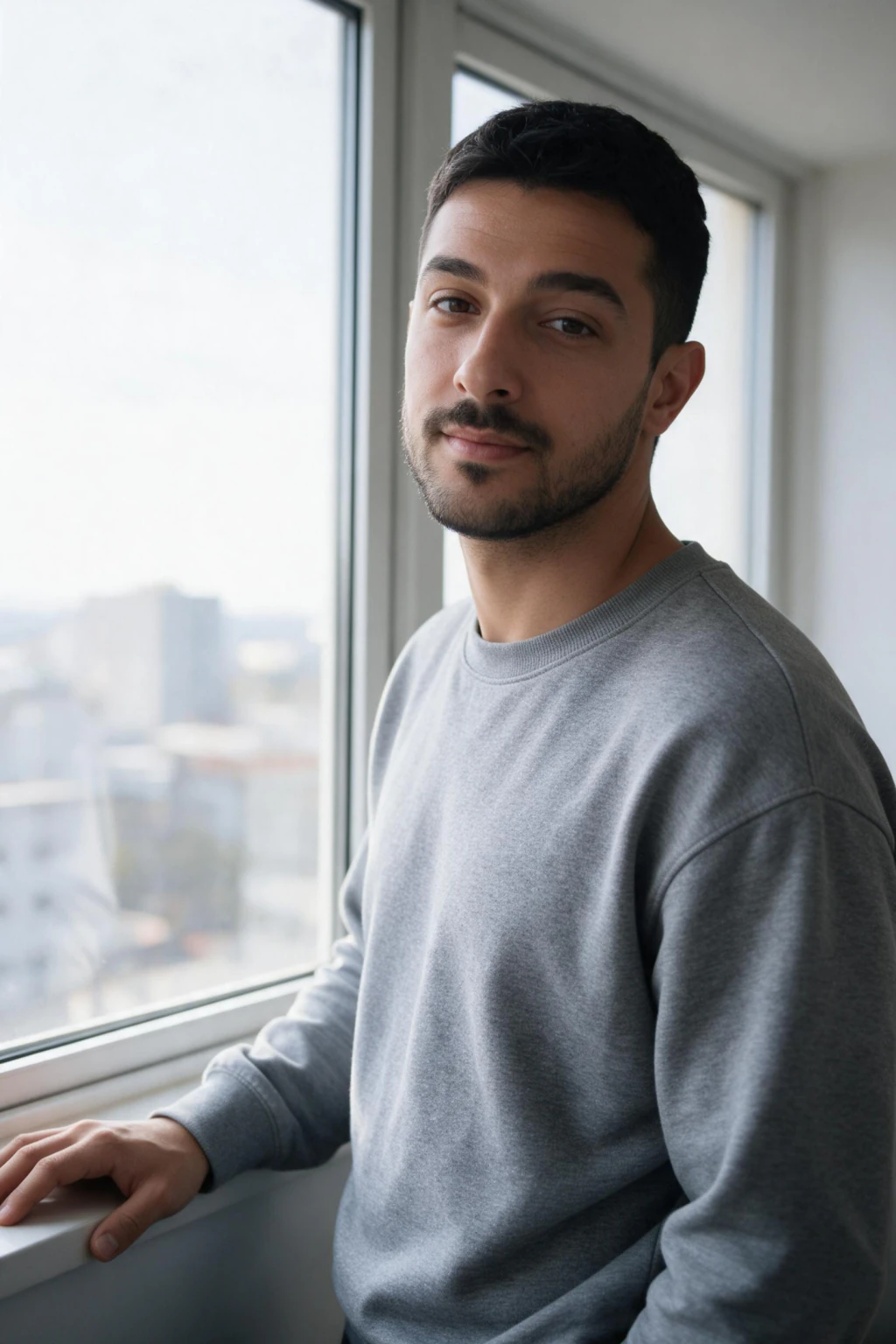
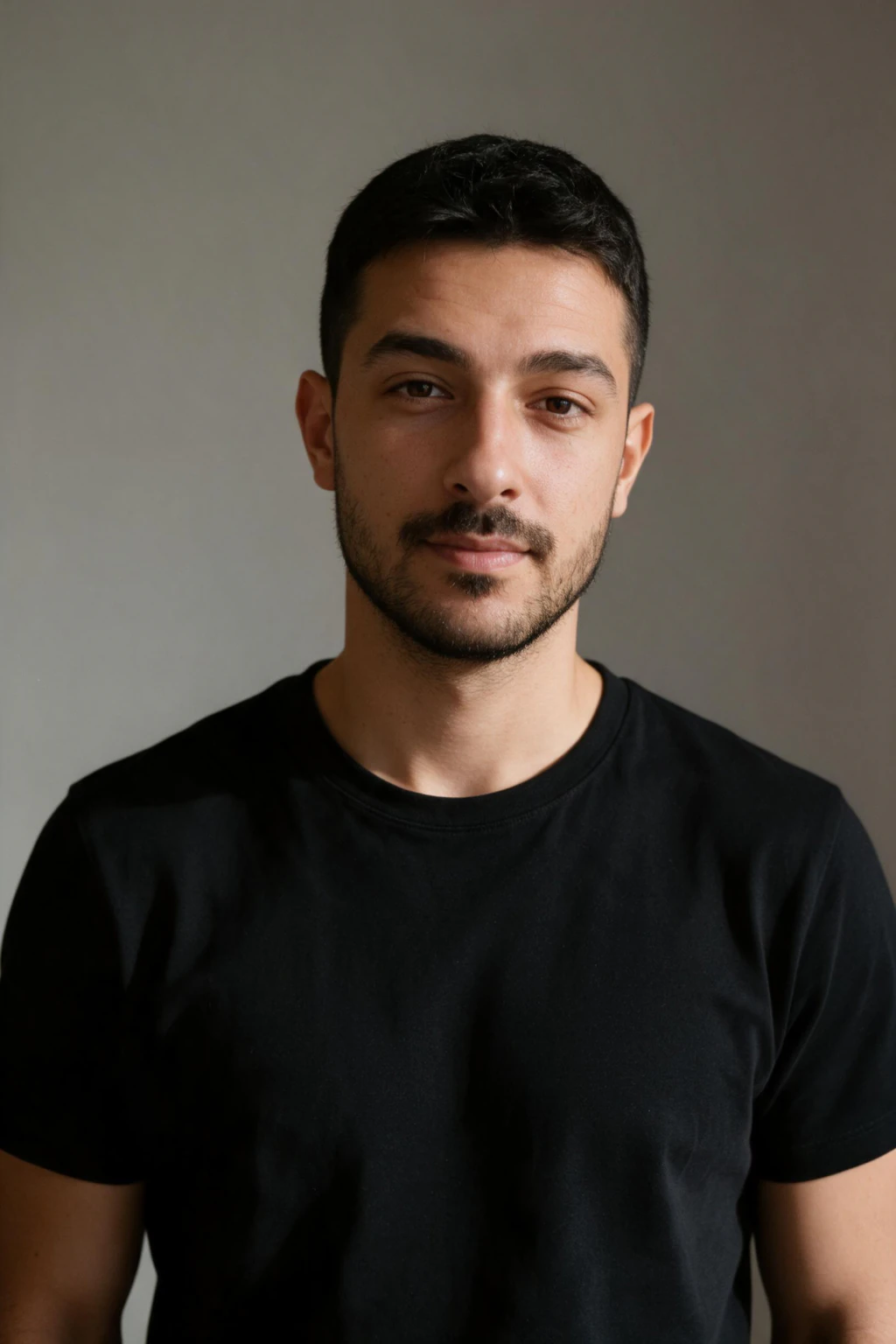
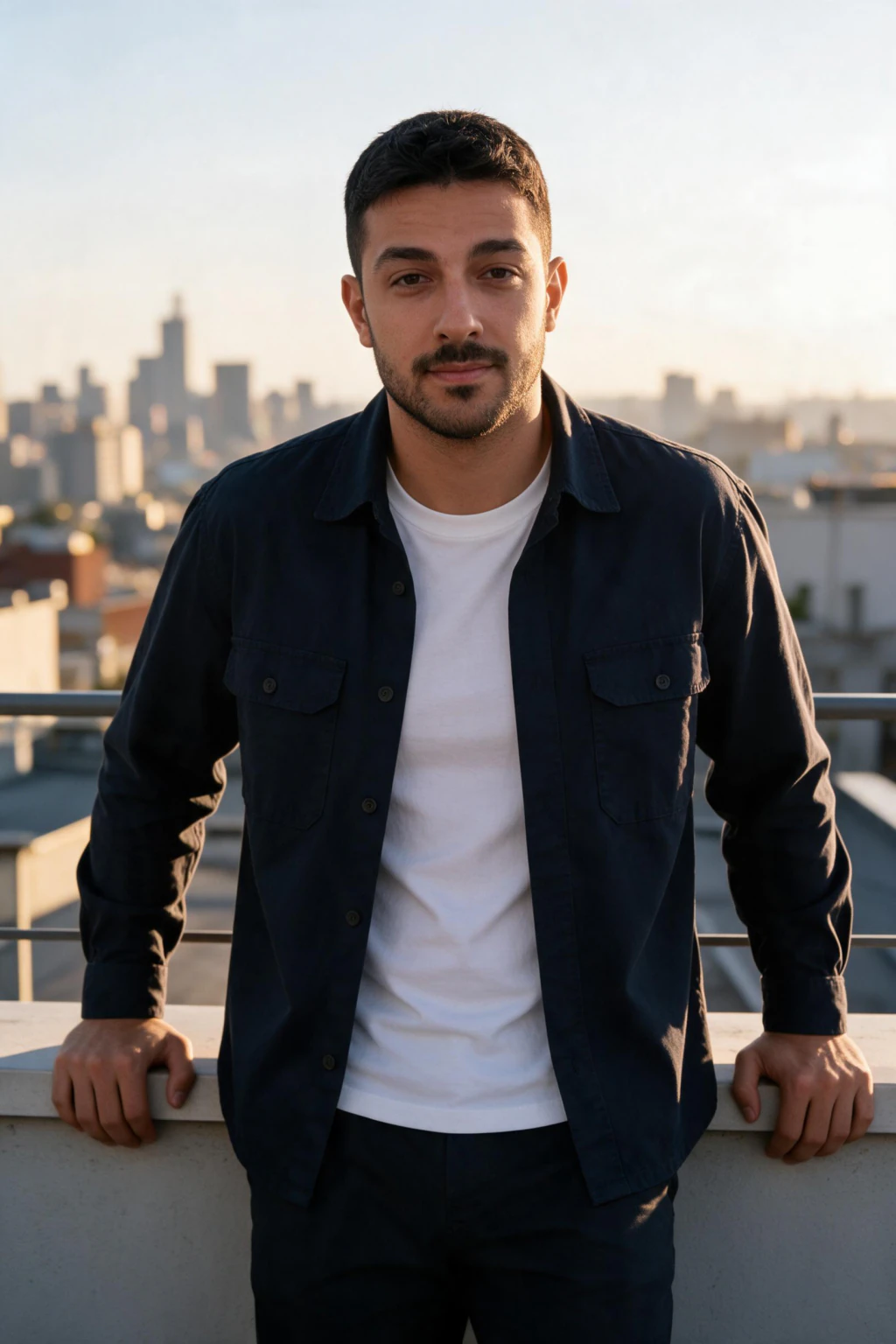
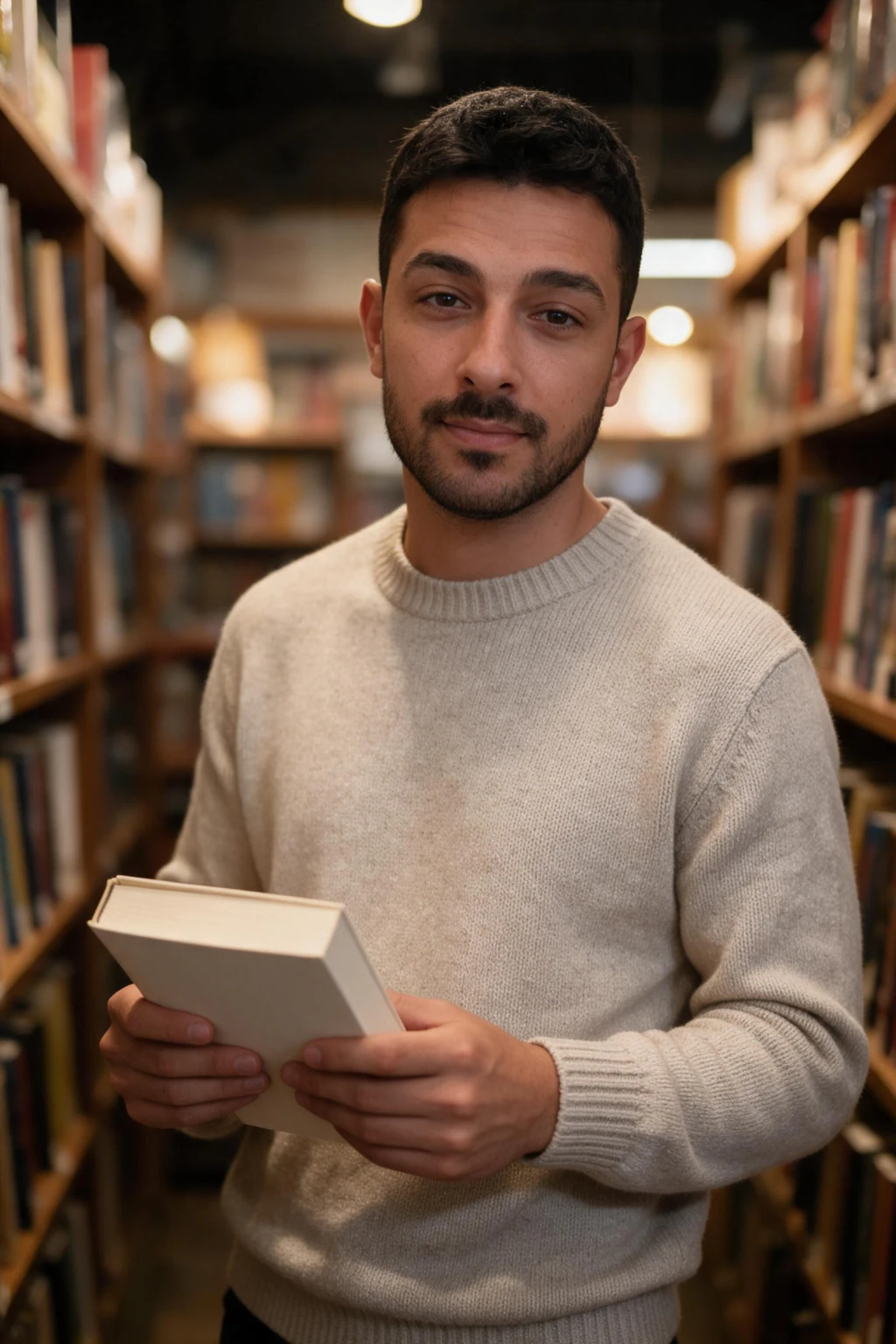
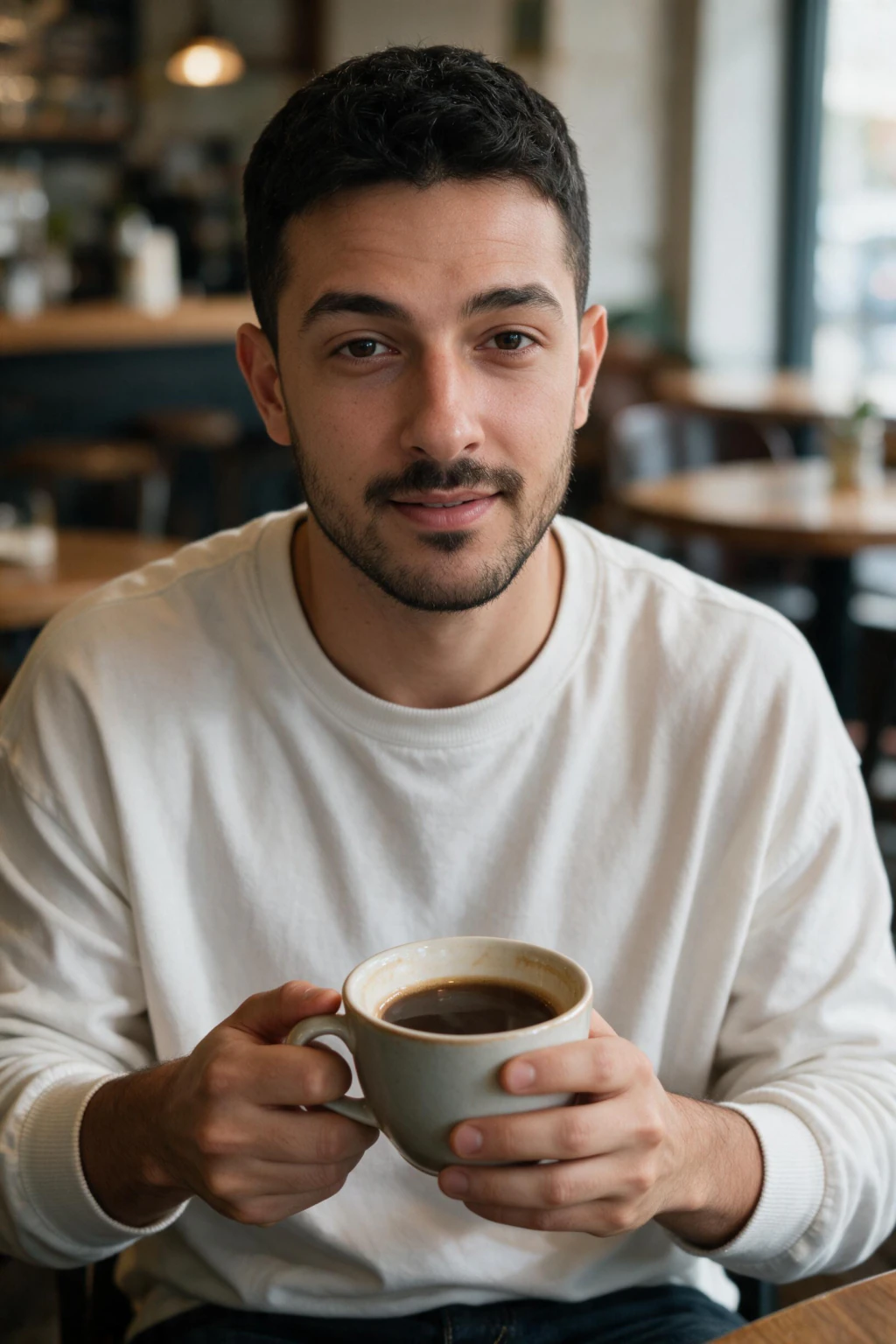
What is the best AI app for photos?
The best AI app for photos of yourself is one that runs a selfie-trained model in the browser, so it works identically on iPhone, Android, and desktop with nothing to install. MakeAiPhotos works this way: upload a selfie from your camera roll, pick a pack, and download the results to your phone.
App-store avatar apps produce stylised avatars rather than realistic photos, which suits profile art but not LinkedIn or dating profiles. For realistic output, start with a realistic AI photo generator instead.
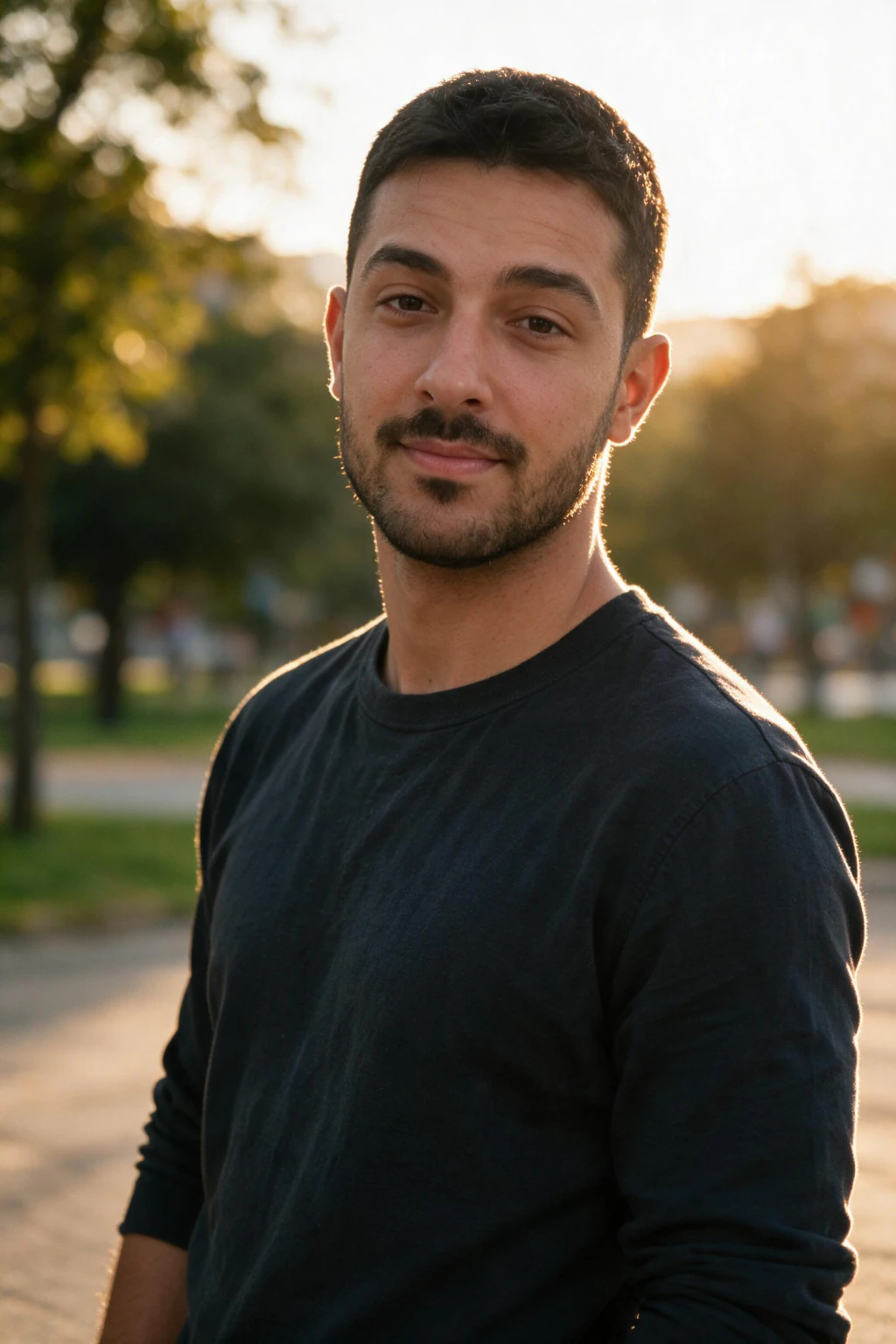
Which AI can make a photo?
Any modern image model can make a photo-style image: ChatGPT Images, Midjourney, Canva, Adobe Firefly, and Leonardo all render photorealistic scenes from a text prompt. The differences show up in faces, hands, and fine texture, where the top models pull ahead.
The bigger split is what kind of photo. Prompt tools invent scenes, while the MakeAiPhotos generator makes photos of a real person from an uploaded selfie, which prompt tools cannot do reliably.
How do you get AI photos of yourself?
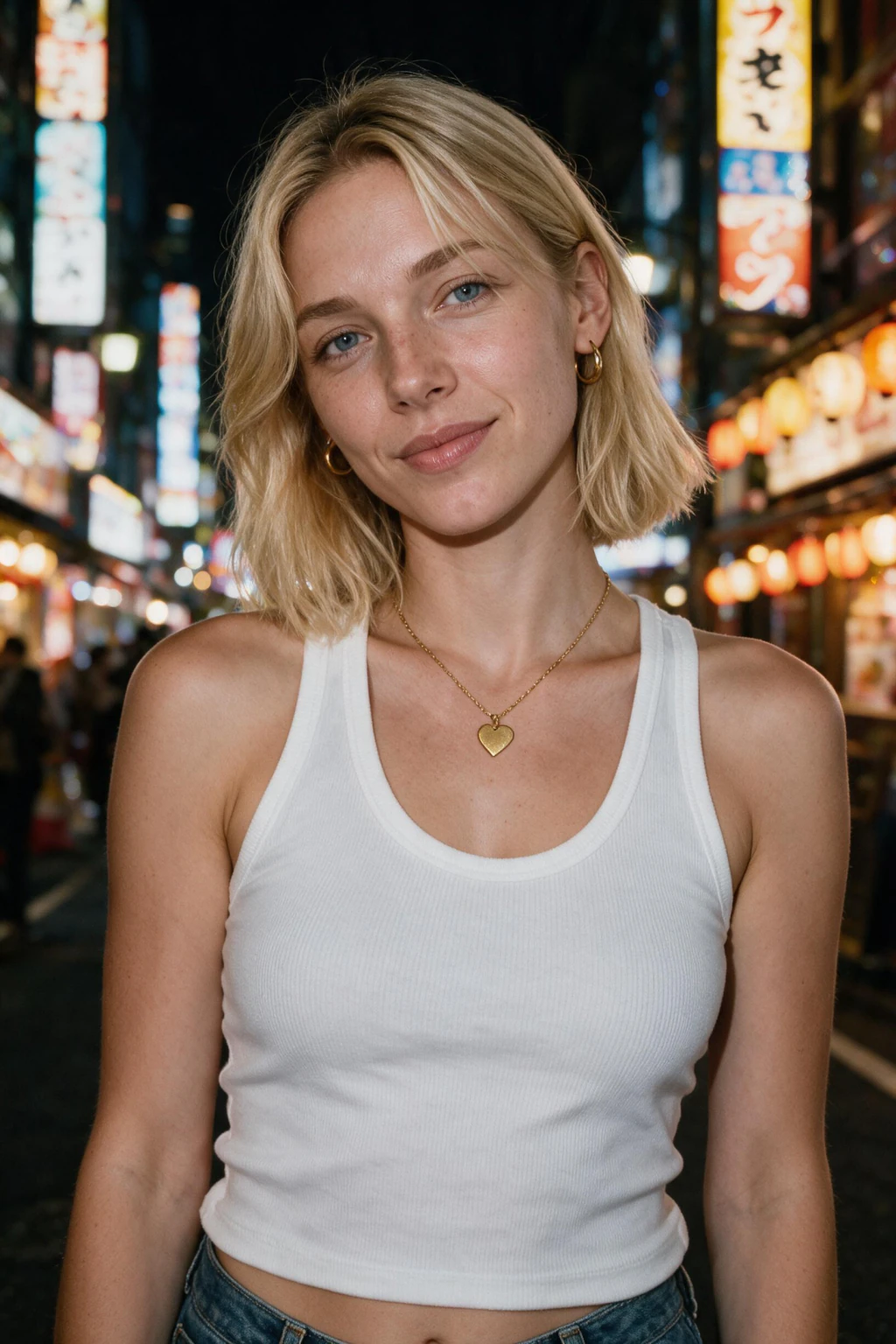
You get AI photos of yourself by uploading one clear, front-facing selfie to a selfie-trained generator, then generating a style pack. There is no training wait, each photo lands in about 2 minutes, and $14.99 covers about 30 photos across outfits and settings, all carrying your real likeness.
The input photo does most of the work: shoot it in soft daylight with beauty filters off. The complete walkthrough with camera settings is in how to make AI photos of yourself.
How do I get AI photos of myself on my phone?
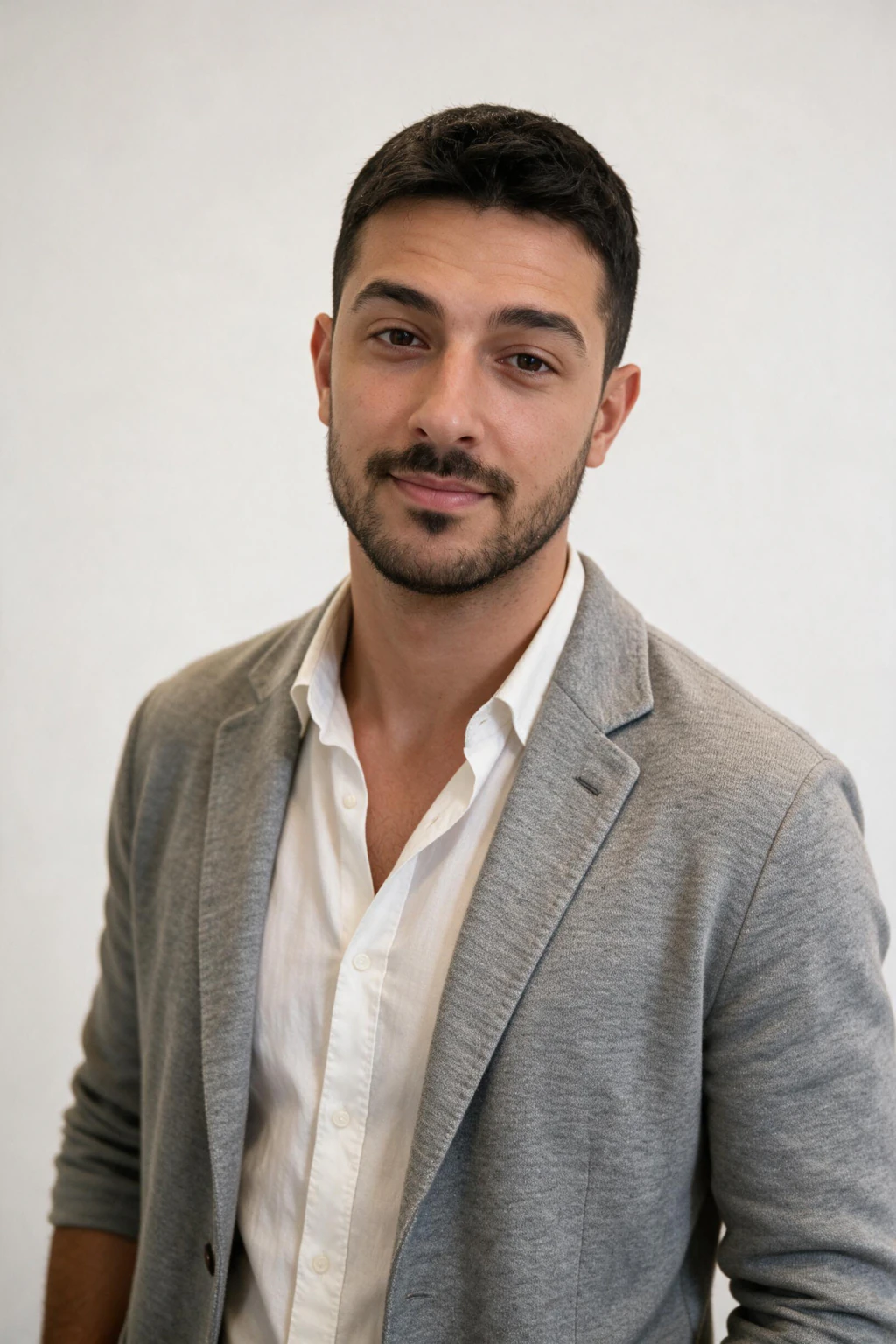
Everything runs in your phone browser: take the selfie, upload it from your camera roll, pick a pack, and download the finished photos straight back to the phone. No laptop, no app install, and no file transfers.
Shoot the selfie on your rear camera with a self-timer rather than at arm's length, because front-camera distortion is the most common likeness problem. See what one upload produces on the AI photos of yourself page.
Where can you make AI photos? And is anywhere really free?
You make AI photos in a browser, either at a prompt-based generator like ChatGPT or Canva, or at a selfie-trained generator like MakeAiPhotos for photos of you. Nothing to download, and the whole flow works from a phone.
On the free question, honestly: prompt tools offer limited no-cost tiers for invented images, but realistic photos of your own face are paid everywhere, because rendering them costs real compute. MakeAiPhotos is paid too, with one-time a $14.99 pack and welcome credits for new accounts at signup.
If a site promises unlimited realistic photos of you at no cost, expect heavy watermarks, avatar-grade quality, or your photos used as training data. The two real routes are compared in how to make an AI photo.
How long do AI photos take?
Prompt-based images render in seconds to a minute. On MakeAiPhotos there is no model training step, so a finished photo of you lands about 2 minutes after you upload one selfie.
That compares to 1 to 3 weeks for a photographer to shoot and deliver retouched frames. The timing breakdown per tool type is in how long AI photos take.
How many selfies do you need for AI photos?
One good selfie is enough on MakeAiPhotos. A sharp, front-facing, unfiltered photo in soft daylight gives the model everything it needs to hold your likeness across a full pack.
Some tools ask for 10 to 20 uploads, but more photos mainly compensate for low-quality inputs rather than improving a good one. The reasoning and photo checklist are in how many selfies you need for AI photos.
Can AI generate photos of me?
Yes. A selfie-trained generator builds a personal model of your face from an uploaded photo, then renders you in new settings, outfits, and lighting that were never photographed. The outputs are new images of your actual likeness, not filters over your original selfie.
The catch is tool choice: text-prompt generators cannot do this, since they render a stranger matching your description. Examples of what one upload produces are on the AI photos of yourself page.
Do AI photos look real?
Good ones do, at the sizes that matter. A well-generated AI photo from a clean selfie passes as a camera photo at feed and profile size, where almost everyone will see it.
The failures are predictable: plastic skin from filtered inputs, mismatched lighting, and odd hands or background objects. Reject those frames and keep the rest; the full checklist is in how to make AI photos look realistic.
Can people tell AI photos are AI?
Usually not, when the photo is well made and viewed at normal feed size. Studies keep showing people perform near chance at spotting good AI portraits, and recruiters scanning hundreds of profiles do not pixel-peep.
Weak outputs give themselves away through waxy skin, warped ears or jewellery, and gibberish text in backgrounds. What recruiters specifically notice is covered in can recruiters tell an AI LinkedIn headshot.
How much do AI photo generators cost?
AI photo generators cost $14.99 to $99 for photos of you, depending on the tool and pricing model. MakeAiPhotos uses a one-time $14.99 pack that you pay once and keep the photos, while competitors charge $19 to $99 and often bill monthly.
Prompt-based tools for invented images run about $10 to $30 a month on subscription. Either way it is a fraction of a $150 to $500 photographer session; the full comparison is in how much AI photo generators cost.
Are AI photos allowed on dating apps?
Mostly yes, as long as the photos genuinely look like you. Tinder, Hinge, and Bumble police misrepresentation rather than the technology, so a realistic AI photo of your actual face is treated like any flattering photo.
Heavily idealised or lookalike images risk removal and worse first dates. The app-by-app policies and safe usage pattern are in are AI photos allowed on dating apps.
Can AI create professional headshots?
Yes. A selfie-trained generator renders studio-grade headshots with professional wardrobe, lighting, and backgrounds from one casual selfie, and the results are widely used on LinkedIn, company sites, and resumes.
Quality now competes directly with a $150 to $500 studio session, at pack pricing at $14.99. The evidence and examples are in can AI create professional headshots, and the tool itself is the AI LinkedIn headshot generator.
Frequently Asked Questions
- Which AI is best for photos?
- For photos of a specific real person, a selfie-trained generator like MakeAiPhotos is best, because it learns your face from one selfie and holds the likeness across every output. For invented scenes with no real person, Midjourney and ChatGPT Images lead on image quality. Pick by what the photo must show.
- How do you get AI photos of yourself?
- Upload one clear, front-facing selfie to a selfie-trained generator like MakeAiPhotos, pick a style pack, and generate. There is no training wait, each photo lands in about 2 minutes, and one upload covers about 10 realistic photos of your actual face across outfits and settings.
- How long do AI photos take to make?
- About 2 minutes per finished photo on MakeAiPhotos, with no model training step at all. Prompt-based single images render in seconds to a minute but cannot hold your face.
- How much do AI photo generators cost?
- Between $14.99 and $99 for photos of you, depending on the tool. MakeAiPhotos sells a one-time $14.99 pack with no subscription, competitors charge $19 to $99, and prompt tools for invented images run $10 to $30 a month.
- Do AI photos look real, or can people tell?
- Well-made AI photos from a clean, unfiltered selfie pass as camera photos at feed and profile size, and most people perform near chance at spotting them. Weak outputs give themselves away through plastic skin, warped jewellery, and gibberish background text, so review and reject those frames.
- Are AI photos allowed on dating apps like Tinder and Hinge?
- Mostly yes, provided the photos genuinely look like you. The apps police misrepresentation, not the technology, so realistic AI photos of your actual face are treated like any flattering photo, while idealised lookalikes risk removal.
- Can AI create professional headshots for LinkedIn?
- Yes. Selfie-trained generators render studio-grade headshots with professional wardrobe, lighting, and backgrounds from one casual selfie. The results are widely used on LinkedIn and company sites, at pack pricing at $14.99 instead of a $150 to $500 studio session.
- How many selfies do you need for AI photos?
- One good selfie is enough on MakeAiPhotos: sharp, front-facing, unfiltered, and shot in soft daylight. Tools that demand 10 to 20 uploads are mostly compensating for low-quality inputs rather than improving on a single good one.