AI Tinder Photo Generator: Build a Swipe Stack That Wins More Matches
MakeAiPhotos is an AI Tinder photo generator that turns one selfie into about 15 new photos of you, framed for Tinder's 4:5 photo card, each ready in about 2 minutes, for a one-time price instead of a subscription. Your face wins the swipe instead of dying at thumbnail size.
On Tinder, your first photo decides the swipe in under a second, and if that photo is a blurry gym mirror selfie, the decision is no. This page fixes the stack itself: a clear face photo to lead, a lifestyle shot in slot two, and a personality shot in slot three, all generated from one selfie you upload. The AI does not edit or filter your picture, it creates entirely new ones of you.
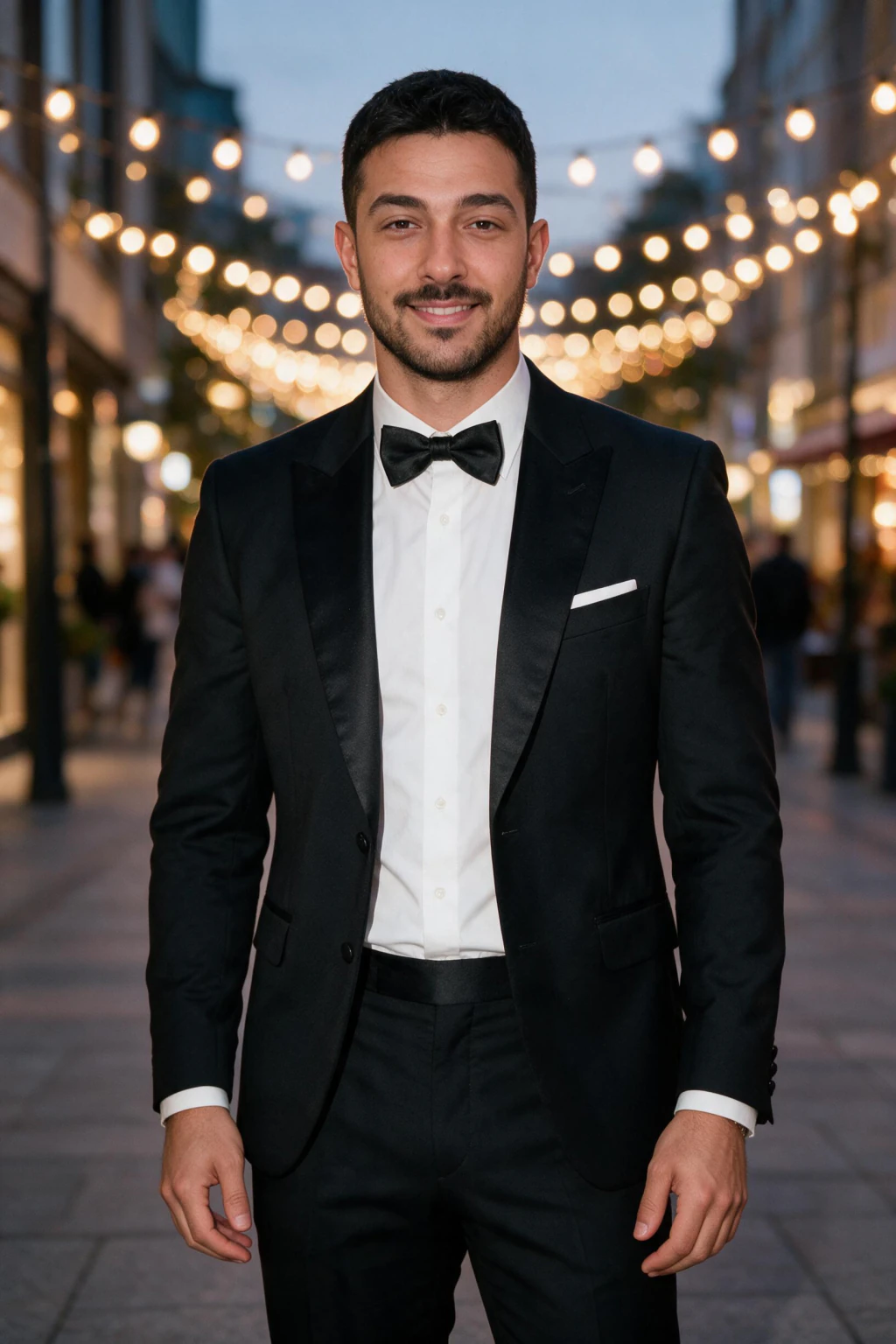

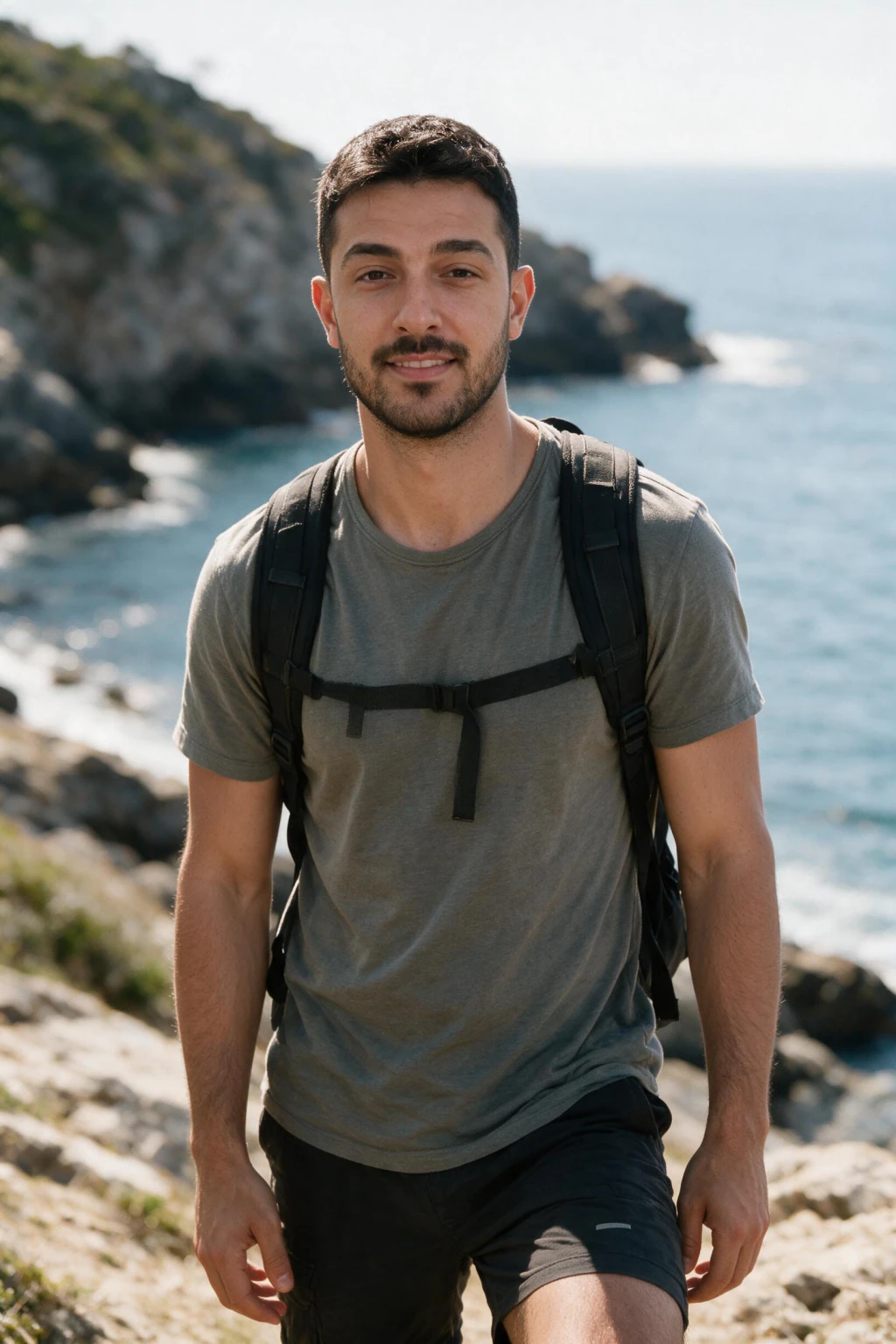
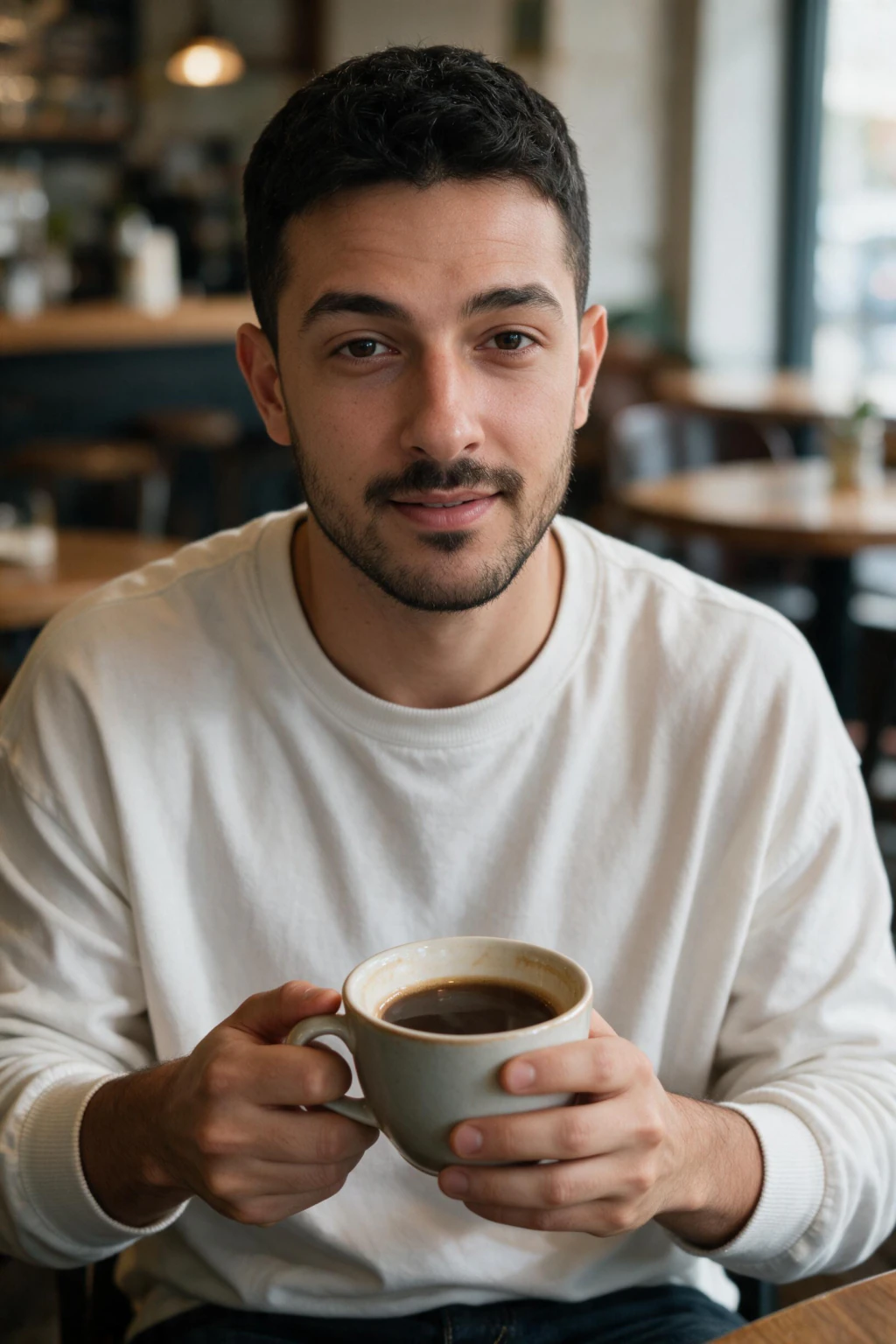
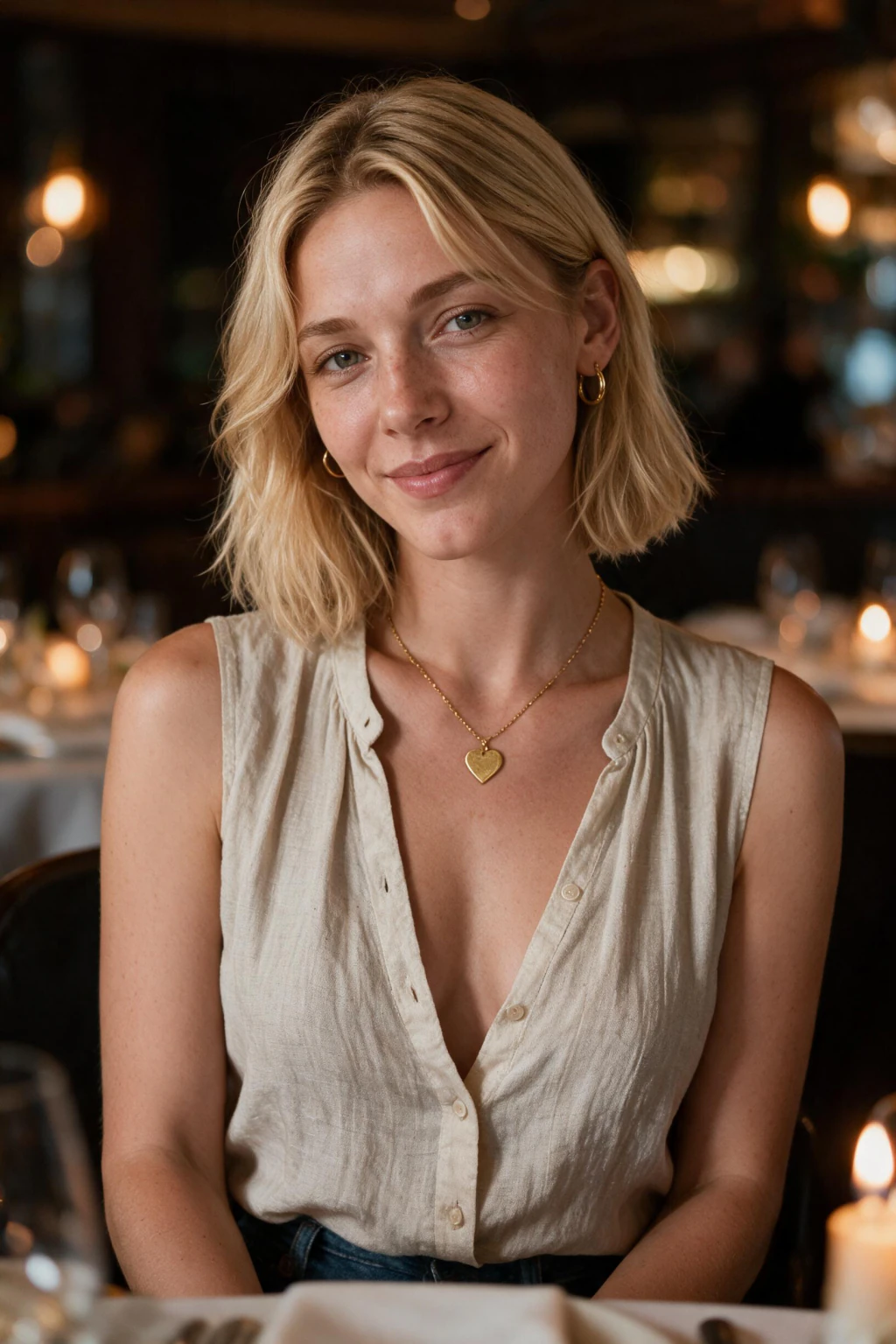
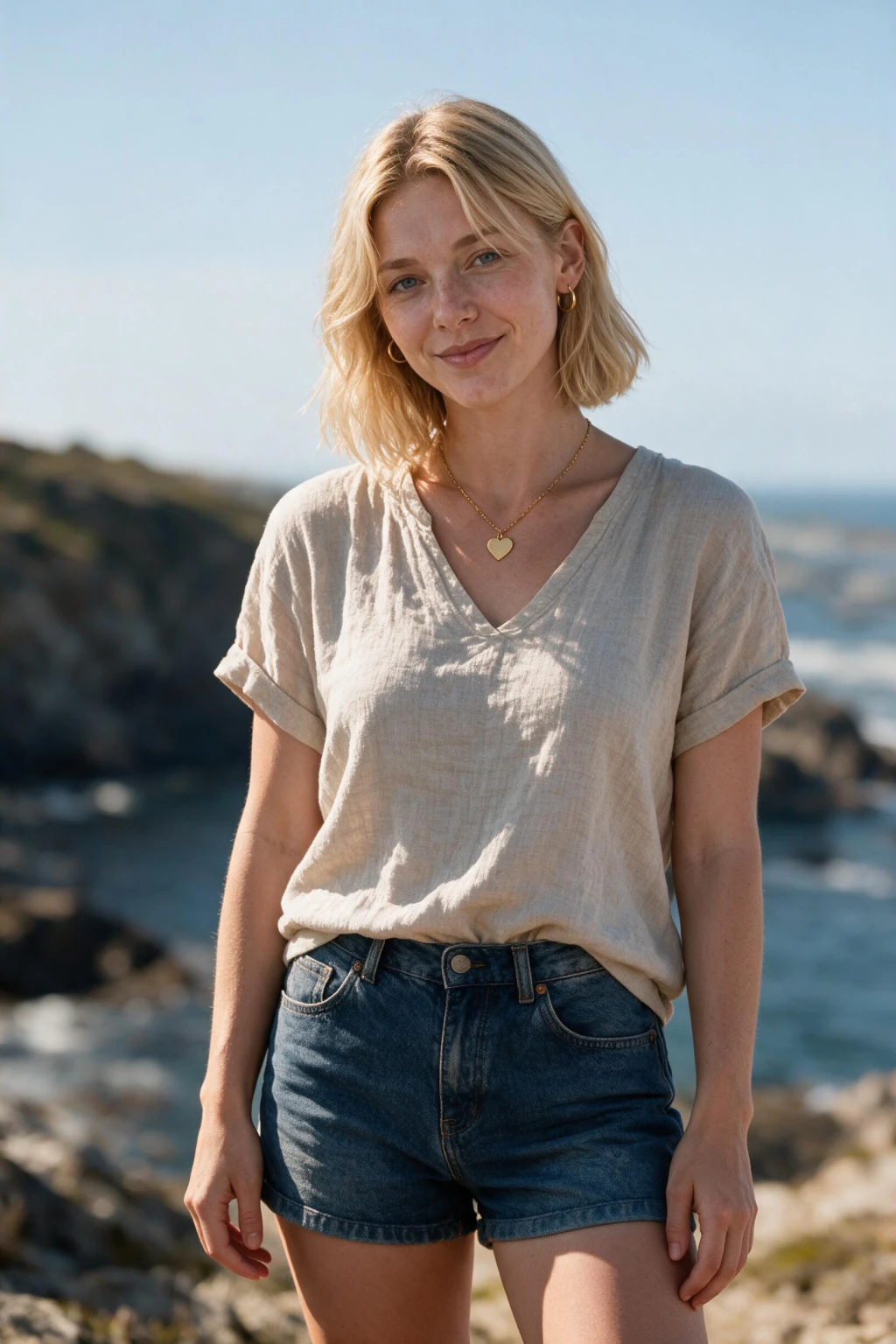
- Lead photo where your face fills the 4:5 card and still reads at thumbnail size in the swipe deck
- The 3-photo stack covered in one batch: clear face lead, lifestyle second (yacht deck, rooftop), personality third (night market, cocktail bar)
- a single selfie in, about 15 new photos out, each ready in about 2 minutes, one-time price, no subscription
Why does a 3-photo stack beat one good selfie on Tinder?
The swipe happens before the bio loads
Most profiles are judged on photo one alone, in under a second. A generated lead photo with your face large, lit, and in focus wins that second. Everything else on your profile only matters if the first frame does its job.
The 4:5 crop punishes small faces
Tinder shows photos on a 4:5 portrait card, about 640x800 on most phones, so a full-body shot taken from across a room turns your face into a smudge. The pack renders portraits framed for that card, which is something a friend with a phone rarely gets right.
Slots two and three answer the next question
After the face check, the swiper asks what your life looks like. A yacht deck at sunset or a neon cocktail bar in slot two, and a late-night food market stroll in slot three, answer it without a word of bio.
Why these AI Tinder photos win more matches than your camera roll
A better lead photo is the single biggest lever on your match rate, because the swipe is decided on photo one before anyone reads a word. Here is what the research says works, and how the pack builds it in.
Faces beat scenery. Eye-tracking studies of dating profiles show people fixate on the face first, so a wide shot with a small distant face loses before it is judged. The pack leads with a head-and-shoulders portrait framed for the 4:5 card, which is exactly the slot most camera rolls get wrong.
A real smile reads as trustworthy. A 2010 University of Hertfordshire study found genuine smiles rate higher on approachability, and Hinge's published photo research found selfies get about 40% fewer likes and bathroom selfies about 90% fewer, the same face-first logic that decides a Tinder swipe. Generated portraits hold an easy, natural expression instead of the flat gym-mirror stare.
Variety tells a story in three frames. After the face check, swipers look for what your life looks like, so the second and third photos do that job: a yacht deck or rooftop for lifestyle, a neon cocktail bar or night food market for personality. One repeated pose answers nothing; a stack answers it without a word of bio.
Tinder vs Hinge vs Bumble: how the first photo differs
All three apps show photos on a 4:5 portrait card, and 1080x1350 is the upload size that survives every crop. Tinder is still the toughest on the lead photo because the swipe is the fastest, so if you also run Hinge or Bumble the same generated stack works with slightly different framing rules per app.
Tinder
Photo count: Up to 9, but slots 1 to 3 carry the profile
Photo size: 4:5 portrait card, upload 1080x1350
First photo: Tight head-and-shoulders, face fills the upper two-thirds of the card
Must have: Sharp, well-lit solo face that reads at thumbnail size
Avoid: Group shots, sunglasses, gym mirrors, distant full-body lead
Hinge
Photo count: 6 photos, each can carry a prompt
Photo size: 1080x1350 portrait (4:5), square-cropped in the grid
First photo: Clear face, slightly more room for personality
Must have: A photo that gives a prompt something to react to
Avoid: Six near-identical selfies with no variety
Bumble
Photo count: Up to 6
Photo size: 1080x1350 portrait (taller frame)
First photo: Vertical-friendly portrait, face high in the frame
Must have: A natural, approachable expression up top
Avoid: Heavily edited or obviously filtered shots
How to get AI Tinder photos that earn right swipes: checklist
- Upload a single selfie where your face is sharp, well lit, and clearly visible
- Lead with the result where your face is largest, since the 4:5 card crops tight and small faces vanish at thumbnail size
- Slot a lifestyle scene second and a personality scene third so the stack tells a story, not one repeated pose
Who builds their Tinder photos with AI
- Guys whose entire camera roll is gym mirrors and bathroom selfies
- Anyone restarting a Tinder profile after a break and refusing to reuse 3-year-old photos
- People who match fine in person but get skipped at thumbnail size
Tinder photo pack pricing: one-time $14.99, no subscription
You pay once, at $14.99, and the photos are yours to keep. There is no monthly plan and nothing renews. A dating photographer session runs $200 to $500 for one afternoon; the pack is $14.99 once, with a 14-day money-back guarantee (terms apply) and secure checkout. You can rebuild the stack with a different pack whenever your profile needs a refresh.
Frequently asked questions
What size should Tinder photos be in 2026?
Upload square, at least 640x640, and 800x800 or larger is what you want so the photo survives Tinder's compression. The swipe card itself renders taller than square, so a face crammed to the top or bottom edge of a square upload can sit awkwardly in the card. Center your face and the crop works either way.
How do I fix a blurry Tinder photo?
Blur on Tinder is almost always an upload that started too small and got compressed twice, once by your phone's messaging app if the photo was sent to you, and again by Tinder. Start from the original file rather than a screenshot or a re-saved copy, keep it at 800x800 or bigger, and do not upscale a small image to reach that number. Stretching adds pixels, not detail.
What is Tinder's AI generated photos policy in 2026?
Tinder's community guidelines do not name AI generation as a violation. What they do require is that your photos be of you and represent you accurately, and they prohibit impersonation and misleading profiles. A generated photo built from your own selfie satisfies that. A photo of a different face, or one that changes your build, age or appearance enough that a date would not recognise you, does not, and that is the line worth staying behind.
Can Tinder detect AI photos?
Tinder runs automated review on uploads and reacts to member reports, and both are aimed at catching stolen or misrepresenting photos rather than at the generation method itself. The practical exposure is not a detector, it is a date who does not recognise you, which ends in a report. Photos generated from your own current selfie keep that from happening.
Do AI photos affect Tinder Photo Verification?
Photo Verification compares a live video selfie against your uploaded photos, so it checks whether the person on camera is the person in the pictures. Photos generated from your own selfie describe the same face, so the check has something consistent to match. Photos of someone else, or a heavily reshaped version of you, are exactly what it is built to fail.
Does Tinder allow AI photos?
Yes, Tinder has no rule banning AI-generated photos of yourself. Its guidelines prohibit impersonation and photos of other people, so the line is identity, not technology. MakeAiPhotos renders only from your own selfie, so every generated photo shows your real face. Posting someone else's likeness is what gets profiles reported.
What size are Tinder photos in 2026?
Tinder shows profile photos on a 4:5 portrait card, displayed at about 640x800 on most phones, and the recommended upload is 1080x1350 as JPG or PNG up to 5 MB. 640x640 is only the minimum, and squarer uploads get cropped top and bottom. Frame your lead photo so your head and shoulders fill the upper two-thirds of the card, then save full-body scenes for later slots.
Can Tinder detect AI photos?
Tinder's Photo Verification compares a live video selfie against your profile photos, so what it checks is whether the photos show you. Photos generated from your own selfie show your real face and pass that check. The rule Tinder enforces is impersonation, not the technology used to make an image.
What order should my Tinder photos go in?
Slot 1 is a clear solo face shot, sharp and well lit, with your head and shoulders filling the card. Slot 2 is a lifestyle scene that shows where you spend time. Slot 3 is a personality scene, something with an activity or a mood in it. Slot 4 is optional: one ordinary phone photo as an anchor so the deck reads real.
Will AI photos pass Tinder Photo Verification?
Yes, because the photos show your real face. Tinder Photo Verification compares a live video selfie against your profile photos, and the pack is generated from a single selfie, so it reads as you. Many users also keep one ordinary phone photo in the deck as an anchor.
What should my first Tinder photo be?
A solo shot where your face is sharp, well lit, and fills most of the frame, with no sunglasses and no group. The first photo decides the swipe in under a second, so it has one job: show clearly who you are. Lifestyle and personality shots belong in slots two and three.
How does the AI create Tinder photos from my selfie?
You upload a single selfie and the AI reads your face directly, there is no training step. It then generates entirely new photos of you in scenes like a nightclub, a yacht deck at sunset, or a night street market. Nothing is filtered or pasted, each image is created from scratch, ready in about 2 minutes.
What are good Tinder photo ideas for guys?
Lead with a clean head-and-shoulders portrait, then add one lifestyle scene and one personality scene. From this pack, guys most often pick the nightclub neon portrait as the lead, the yacht sunset shot for slot two, and the late-night food market stroll for slot three. Avoid gym mirrors, group shots, and fish.
How many AI photos should I put on my Tinder profile?
Use 3 to 4 generated photos in a deck of 4 to 6 and consider keeping one regular phone photo as an anchor. The 3-photo stack carries the profile: face lead, lifestyle second, personality third. Past slot four, extra photos add little, and weak ones actively cost swipes.
Why are my Tinder photos so blurry or bad quality?
Most blurry Tinder photos come from low-light selfies, heavy phone zoom, or a face shot from too far away that goes soft once the 4:5 card scales it down. The fix is a sharp, well-lit portrait framed for that card, which is what the pack generates. You upload normal selfies and get back clean, high-resolution photos sized so your face stays crisp at thumbnail size.
Do AI Tinder photos actually get more matches?
They help when they fix the real problem, which is almost always a weak first photo. A sharp, well-lit lead where your face fills the frame wins the under-one-second swipe that decides most profiles. The pack builds that lead photo plus two supporting scenes, so the whole stack works together instead of one mediocre selfie carrying the profile.
Is there a good Tinder photo generator that is not a subscription?
Yes. Most AI Tinder photo generators charge a monthly plan whether or not you keep using them. MakeAiPhotos is a one-time purchase $14.99: you pay once, download about 15 finished photos, and nothing renews next month.