How do you get an AI 90s glamour shot from one selfie?
Upload one clear selfie, pick the 90s mall glamour shot, and the portrait comes back in about 2 minutes. That is the whole workflow on the AI yearbook and retro photo page.
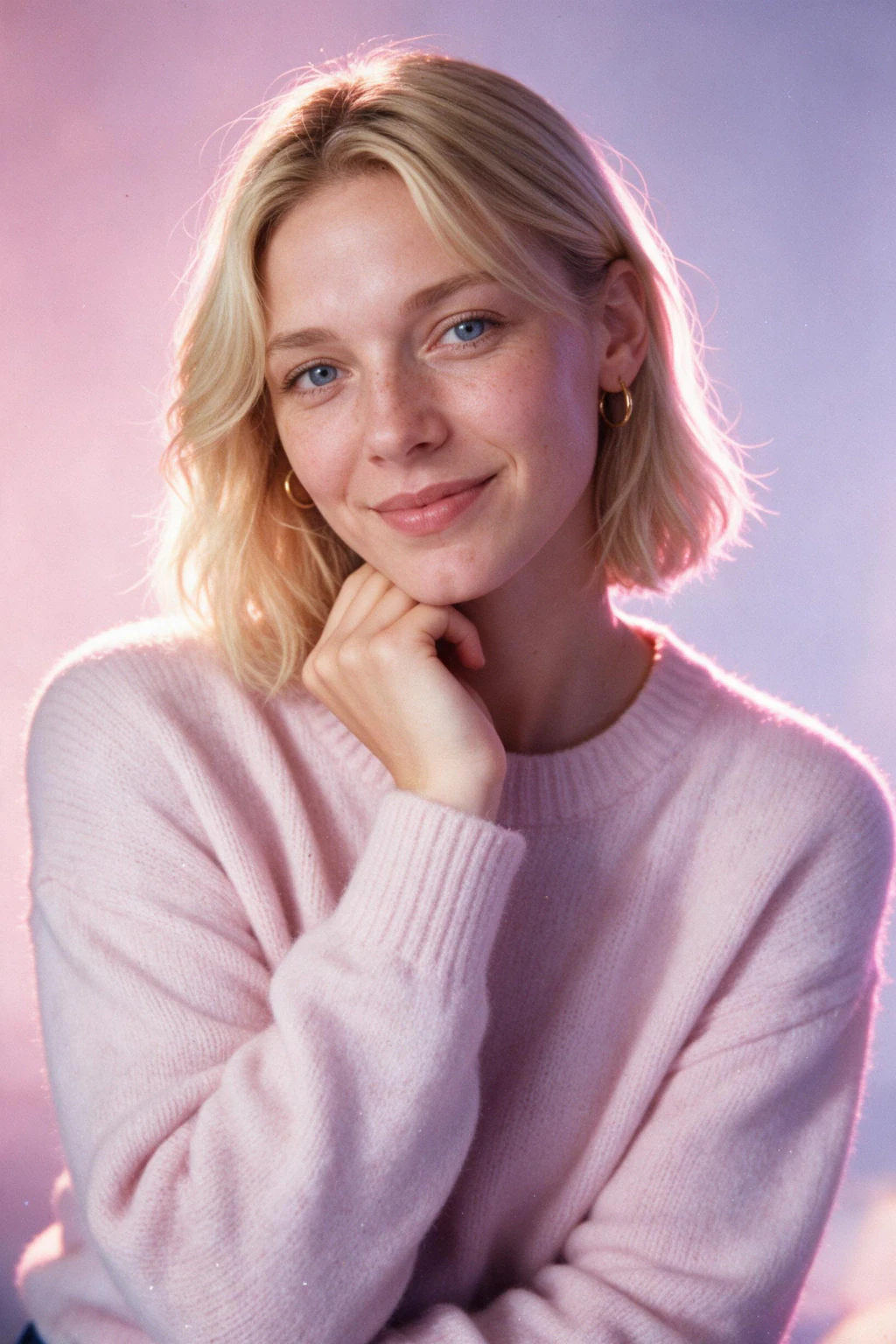
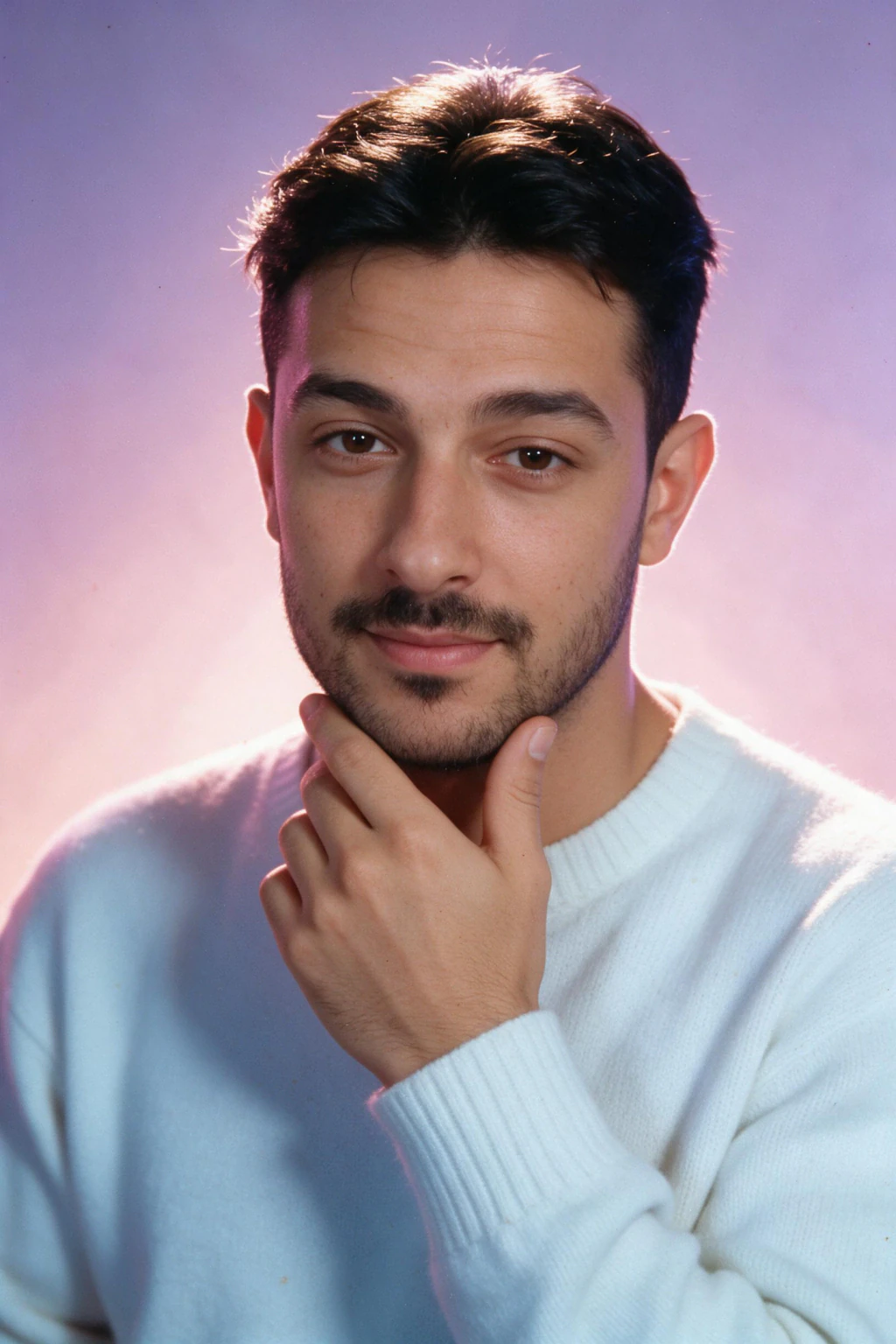
The 90s mall photoshoot AI look copies the studio recipe: a warm pastel pink and lavender backdrop with a soft gradient, a plain pastel knit sweater, one hand resting under the chin, hair voluminous and softly blown, a warm diffused key light with a pink rim light, and a dreamy glow over the frame while the face stays sharp.
That last clause is the whole trick. The genre was built on soft focus, and soft focus is where a general chatbot loses your face: it blurs the eyes and redraws a smoother stranger. Here the glow sits on the frame and the hair, and the face is kept from your selfie.
Three glamour shot looks, and which one to post
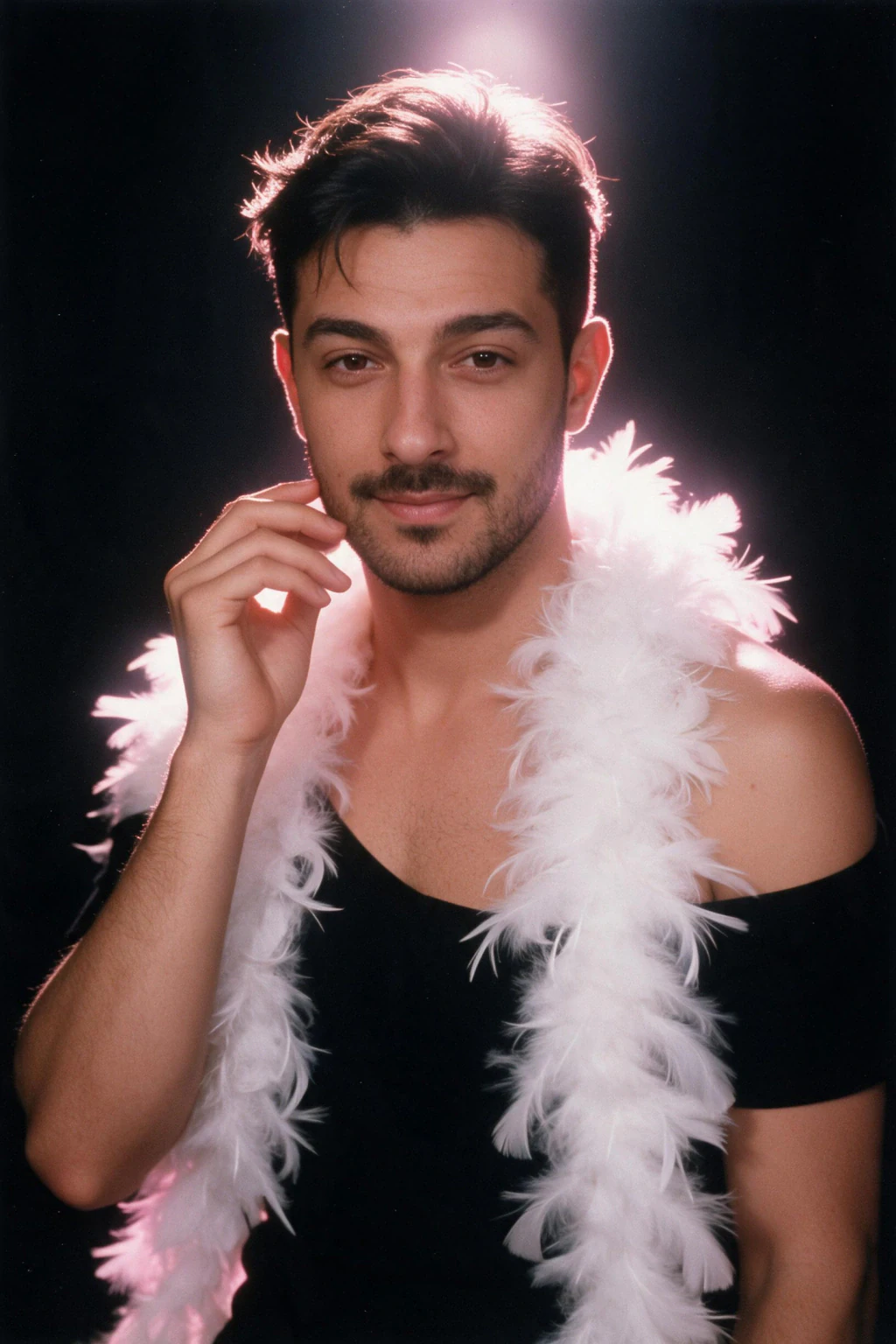
All three come from the same selfie: the mall glamour shot is on the pack page, and the feather boa and the sequin jacket open from these links. The last column is what to check before you post.
| Look | What it shows | Best for | The tell to check |
|---|---|---|---|
| 90s mall glamour shot | Pastel pink and lavender backdrop, knit sweater, hand under the chin | The profile photo that is a joke and a flex at once | Eyes sharp inside the glow |
| Feather boa glamour | White feather boa, black backdrop, single warm spotlight | The full-send version for a grid or a birthday | Feathers with real strands, not a white cloud |
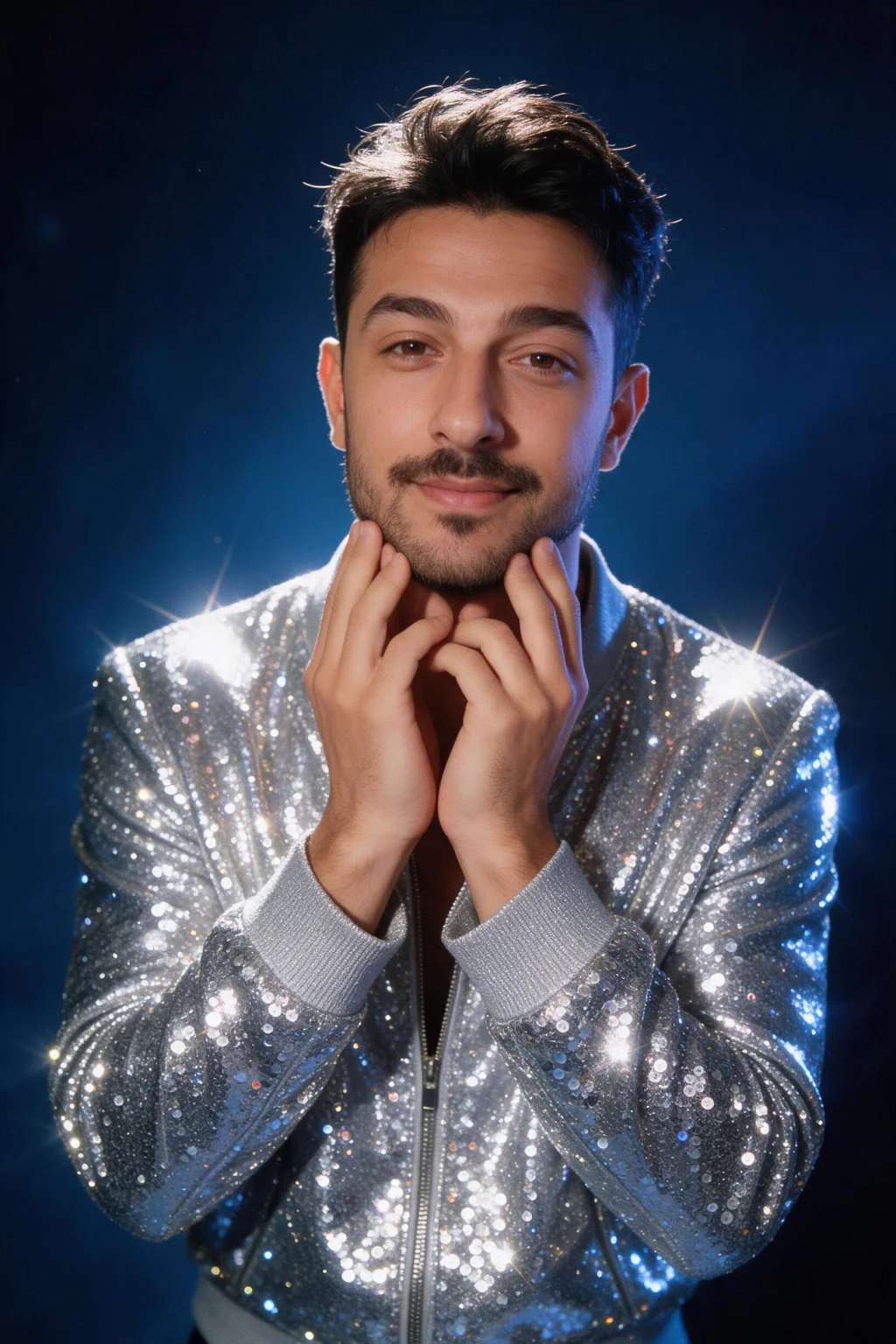
| Sequin glamour shot | Silver sequin jacket, deep blue backdrop, star-filter sparkle | The holiday card, the group chat | Sparkle on the highlights only, face unblurred |
What the real mall glamour shot cost in 1994
Glamour Shots opened its first studio in Dallas in 1988 and, according to Mental Floss, peaked at 380 studios in 1995, with a makeover, wardrobe, a shoot and instant proofs in one visit. The same piece quotes a 1994 studio manager putting the typical spend at $200 to $300.
That package is the point of the genre: hair, makeup, a feather boa, a sequin jacket, and a photographer telling you where to put your hand. The AI version skips the mall and the makeover chair and keeps the part people actually want, which is the portrait.
MakeAiPhotos is $14.99 one time for about 15 photos, each back in about 2 minutes, with a 14-day money-back guarantee. The same selfie also covers the 80s prom portrait and the 90s yearbook photo.
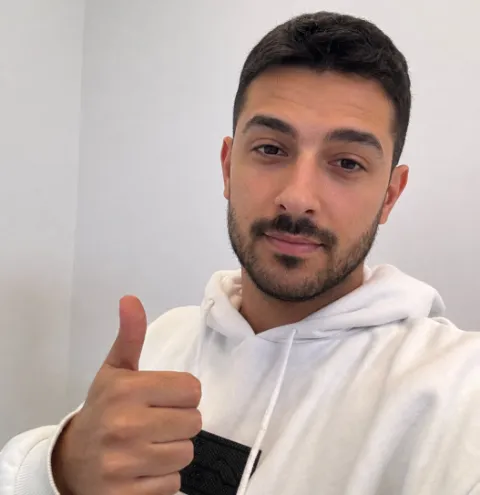
Same selfie, three glamour shots
All three came from one phone selfie. The face is kept in each; the backdrop, the boa and the sequins are generated around it, with plain wardrobe so no brand ends up in frame.
Why does the AI glamour shot blur your face?
Ask a chatbot for a 90s glamour shot and it takes soft focus literally. The eyes go soft, the skin goes to plastic, and because the model redraws the whole frame from its idea of you, the face under the glow drifts on every attempt.
The fix is in the wording. If you paste a prompt, say soft glow over the frame while the face stays sharp and in focus, name the pastel backdrop, the knit sweater, the hand under the chin, the blown hair and the pink rim light, and tell it to keep the exact face from your photo.
The mall glamour shot look is that recipe, run from your selfie with the face kept.
Sharp, front-facing, evenly lit selfies match best. The upload guide covers what to send and what to skip.
Can people tell a 90s glamour shot AI photo is fake?
The genre hides a lot, which is why it works so well for this. The tells are the ones the glow cannot cover: eyes that are soft when the sweater is sharp, hair with no individual strands, a hand with the wrong number of fingers under the chin, and a boa that reads as a white cloud.
A convincing one keeps the eyes and lashes sharp, puts the glow on the edges and the highlights, and keeps skin texture under the diffusion. The full checklist is in how to make AI photos look realistic.
Post it as what it is. The 90s glamour shot was always half a joke and half a flattering portrait, and the AI version is the same deal without the mall.
Frequently Asked Questions
- Can AI make a 90s glamour shot of me?
- Yes. Upload one clear selfie to MakeAiPhotos, pick the 90s mall glamour shot, and a pastel studio portrait with a soft glow and your face kept sharp comes back in about 2 minutes. The feather boa and sequin jacket variants are linked from this article and use the same selfie.
- What is the best AI glamour shot prompt?
- One that names the mall studio and protects the face: a pastel pink and lavender backdrop, a plain knit sweater, one hand under the chin, voluminous blown hair, a warm diffused key light with a pink rim light, a soft glow over the frame while the face stays sharp, and keep the exact face from the uploaded photo.
- Why does my AI glamour shot not look like me?
- Because the chatbot took soft focus literally and blurred the eyes, then redrew a smoother stranger underneath. Ask for the glow on the frame with the face sharp, and use a generator that starts from your selfie so only the backdrop, hair and wardrobe are generated.
- How much did a real Glamour Shots session cost?
- A 1994 studio manager quoted by Mental Floss put the typical customer spend at $200 to $300 for the makeover, wardrobe, shoot and proofs. The chain peaked at 380 studios in 1995. MakeAiPhotos is $14.99 one time for about 15 photos, with a 14-day money-back guarantee.
- Can I get the feather boa and sequin versions from the same selfie?
- Yes. Both are 90s glamour shot variants deep-linked from this article: a white feather boa on a black backdrop with a spotlight, and a silver sequin jacket on deep blue with both hands framing the chin. Each takes about 2 minutes and $14.99 covers about 15 photos.
- Can people tell a glamour shot is AI?
- They can when the eyes are soft while the sweater is sharp, the hair has no strands, the hand under the chin has the wrong fingers or the boa is a white cloud. A convincing one keeps the eyes sharp, the glow on the edges and real skin texture under the diffusion.