What are good nano banana prompts for selfies in 2026?
Good nano banana prompts for selfies do four things: describe the outfit in fabric and colour, name one light source and its side, fix the framing (head and shoulders, waist up, full body), and set the scene with objects rather than adjectives. A grey studio wall, blue-domed rooftops, string lights out of focus. The words aesthetic vibes give the model nothing to draw.
The 30 prompts below are grouped by use, because a headshot needs a plain wall and one soft key while a red carpet needs a bright even flash. Each card ends with a why note that explains the physical trick and names the MakeAiPhotos look. Same card format as our best AI prompt for realistic photos guide, which covers realism in general; this page is the copy paste list for Gemini's nano banana prompt box, written for selfies and grouped by use.
Nano Banana is the name of Gemini's image model, Google's image generator inside the Gemini app, and these nano banana photo prompts are written for it. MakeAiPhotos is a separate AI photo generator, not a Nano Banana tool: it uses its own model and a look picker, so the face comes from your selfie instead of from a prompt.
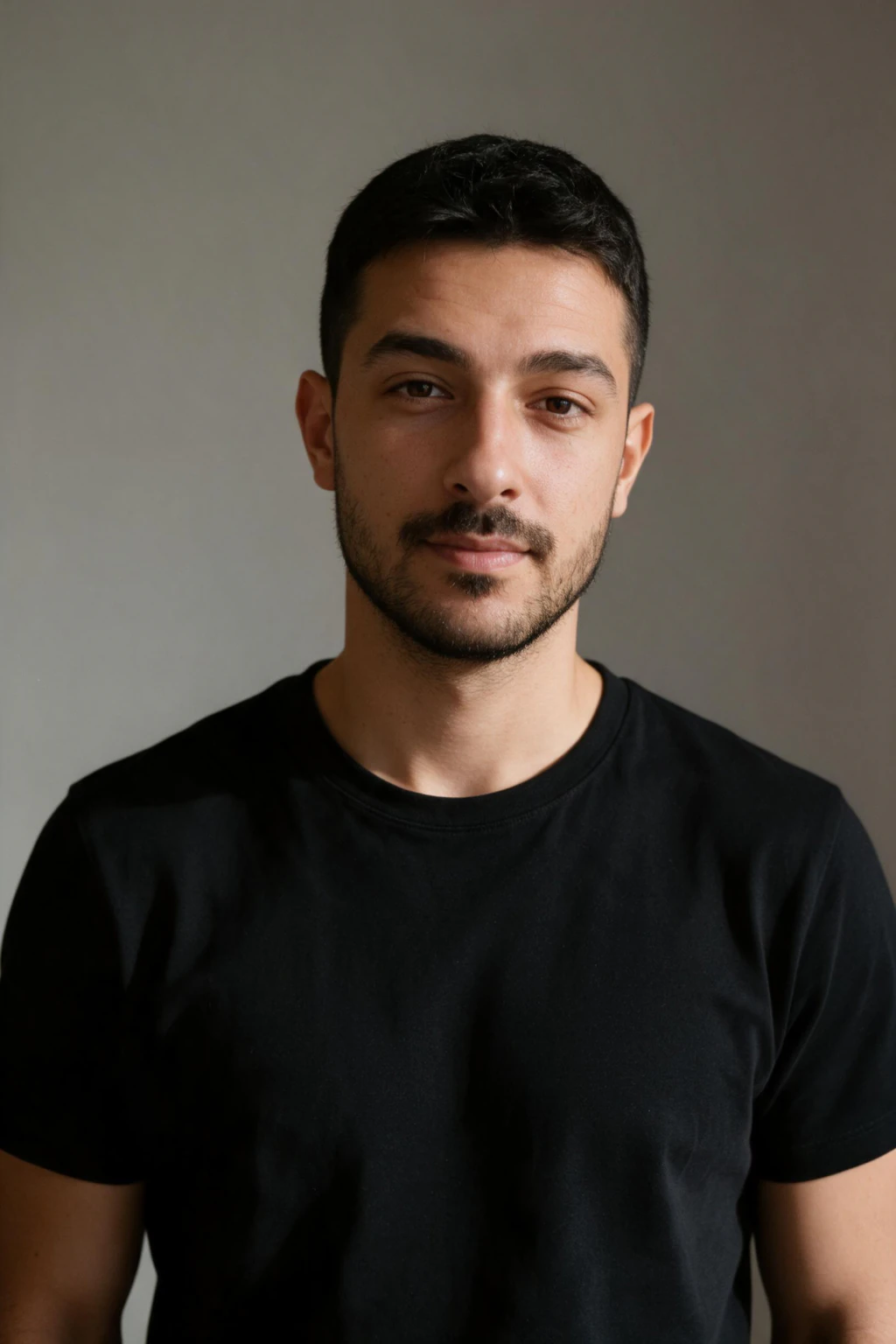
One phone selfie to 5 AI photos of the same person
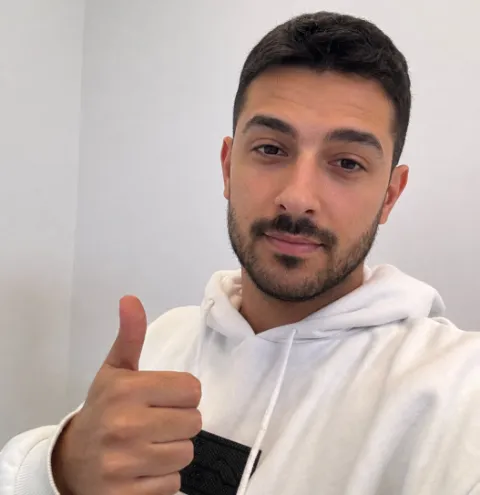


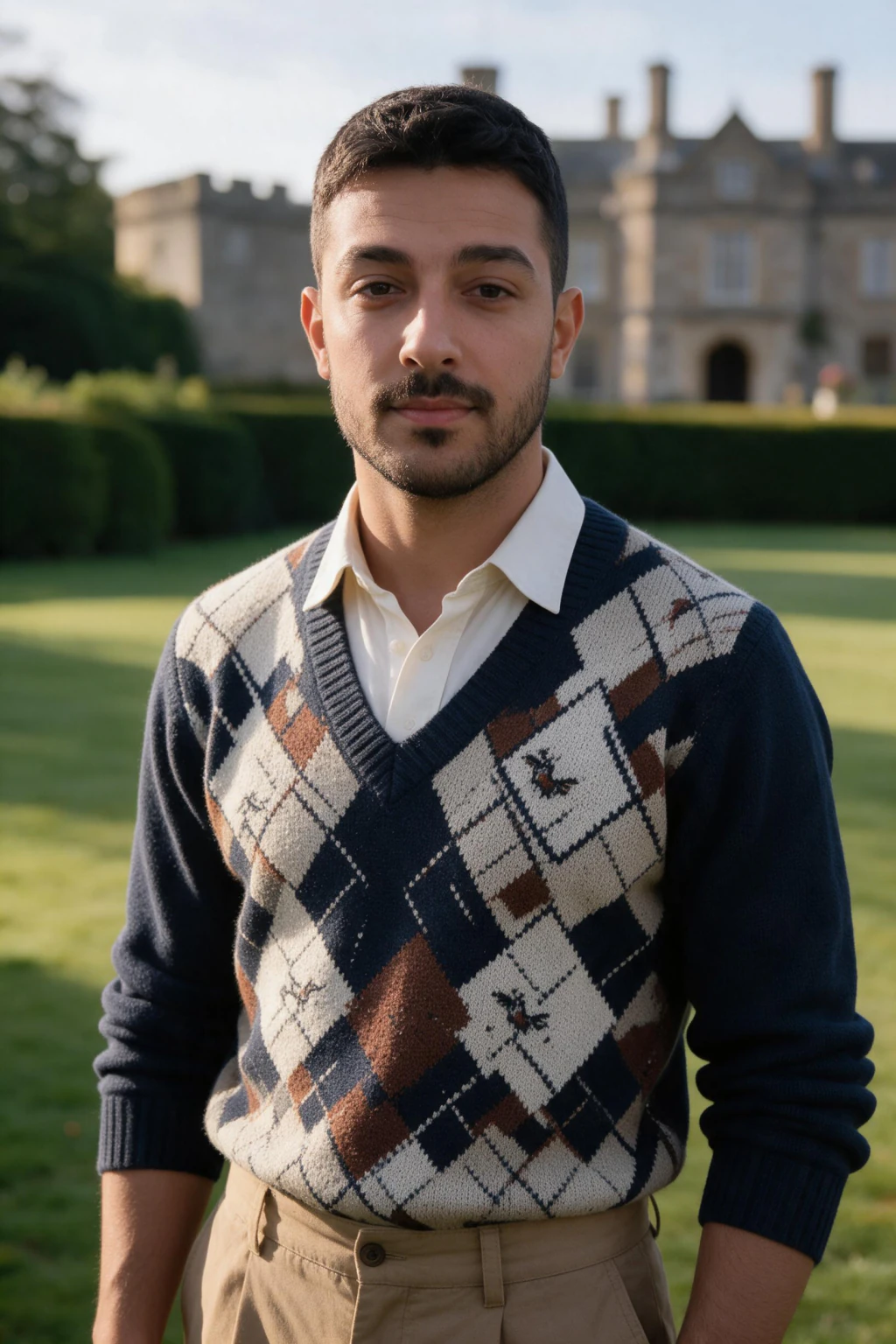
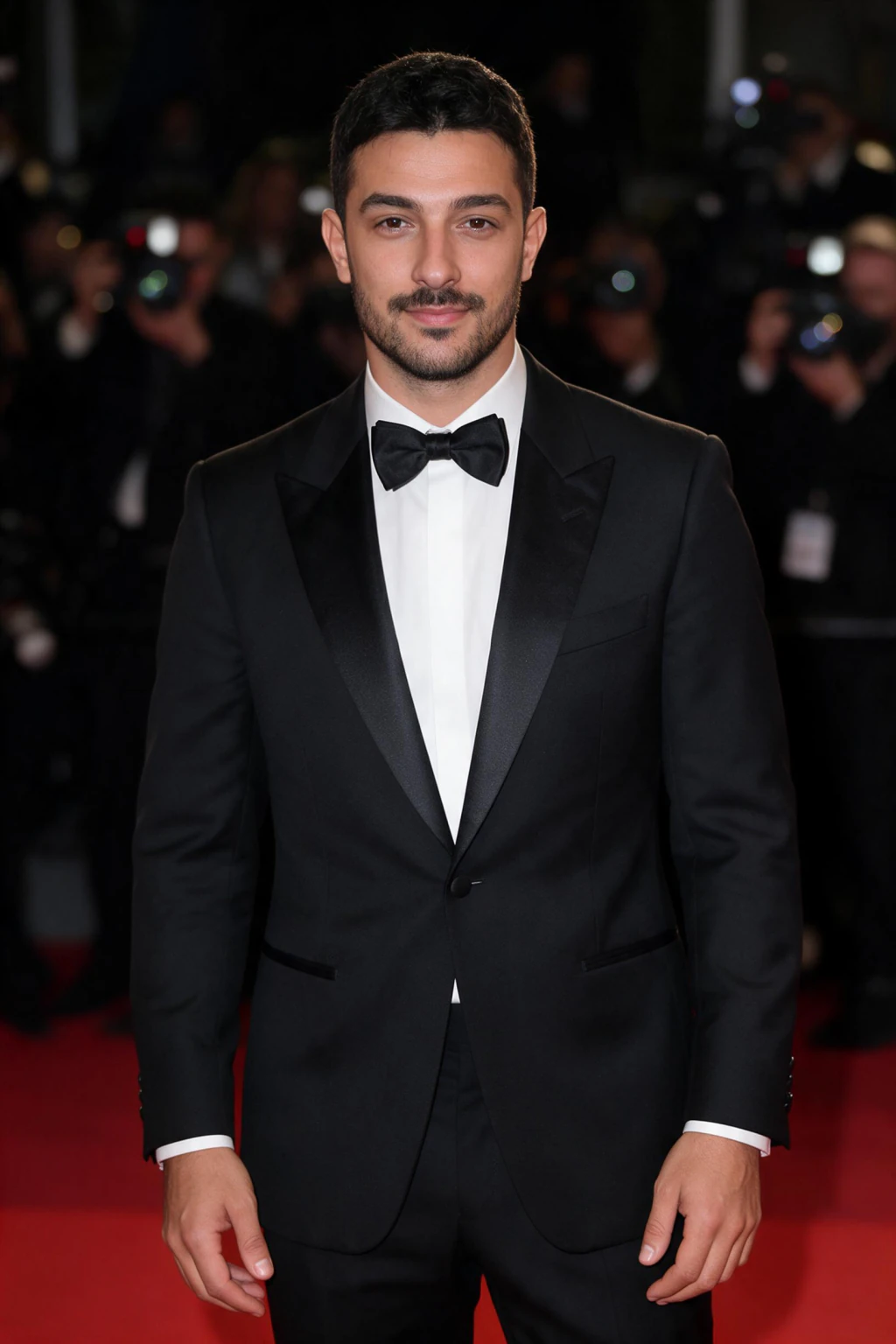
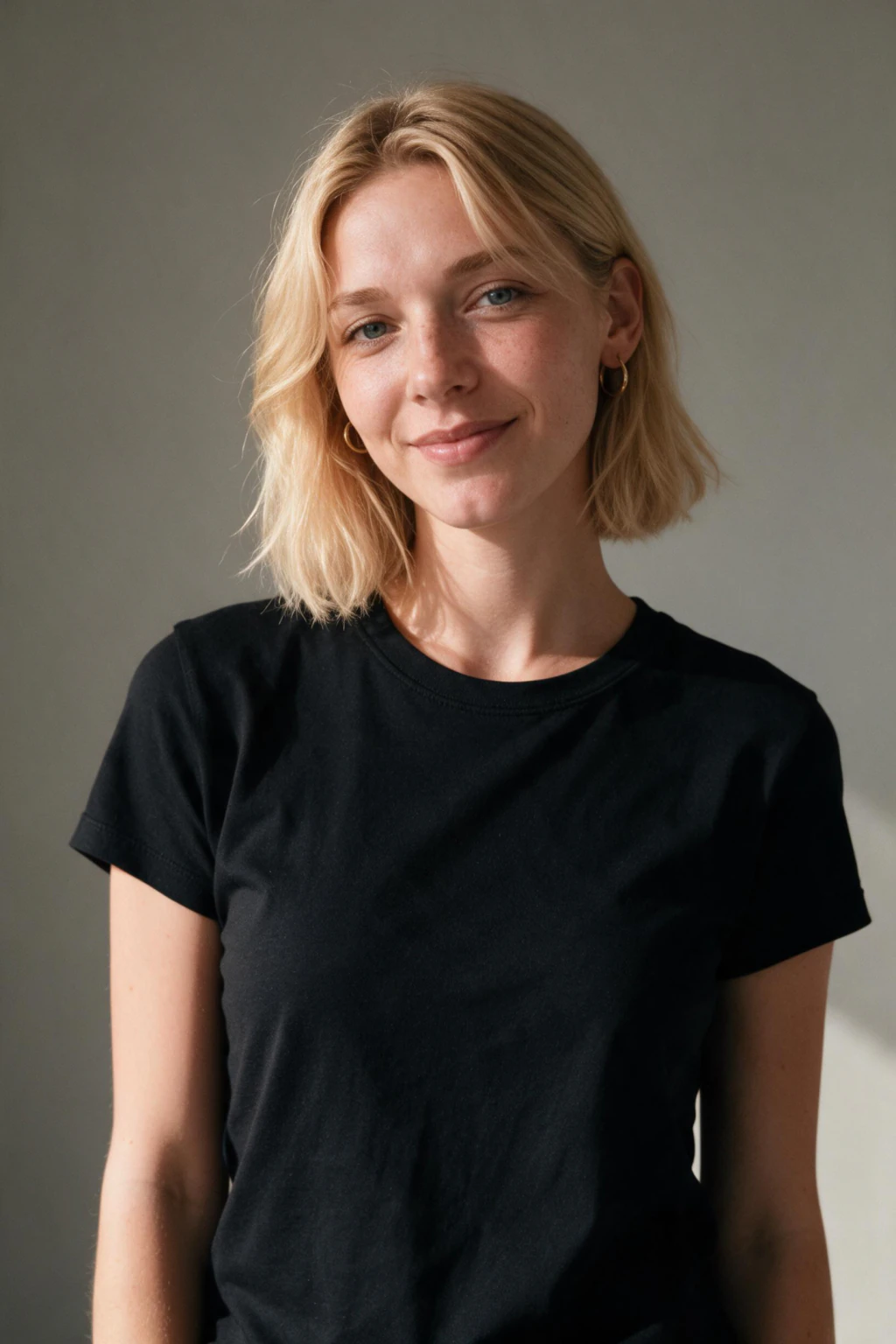
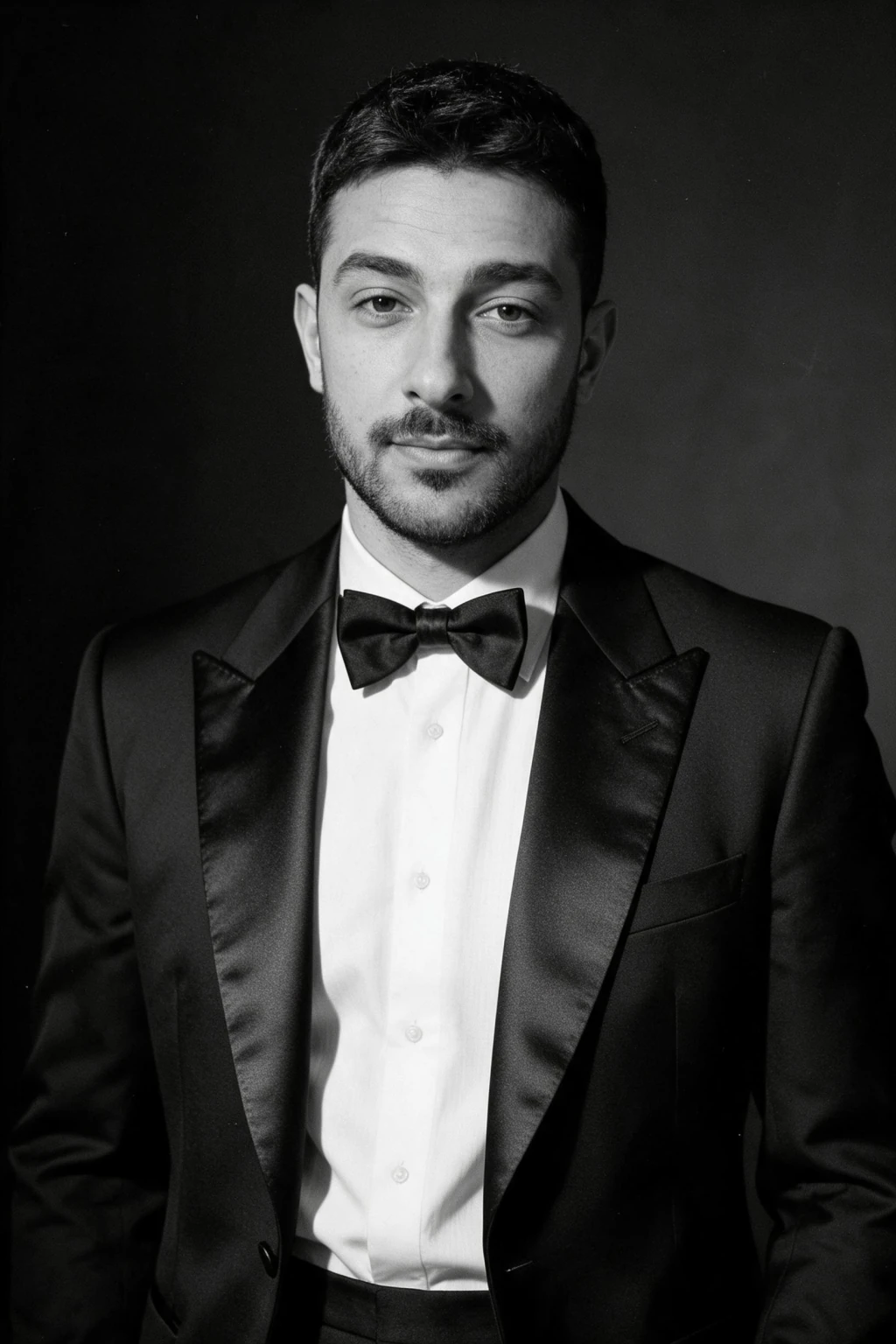
Profile picture and headshot prompts (5)
Headshot prompts fail on contrast, not effort. Dark clothing against a light plain wall, or light clothing against a dark wall, is what makes a face the only detail the model has to render carefully. A busy background splits its attention.
On MakeAiPhotos, these five map to looks on the LinkedIn pack: plain studio backdrops, one office scene and one outdoor scene, each already lit for a profile picture crop.
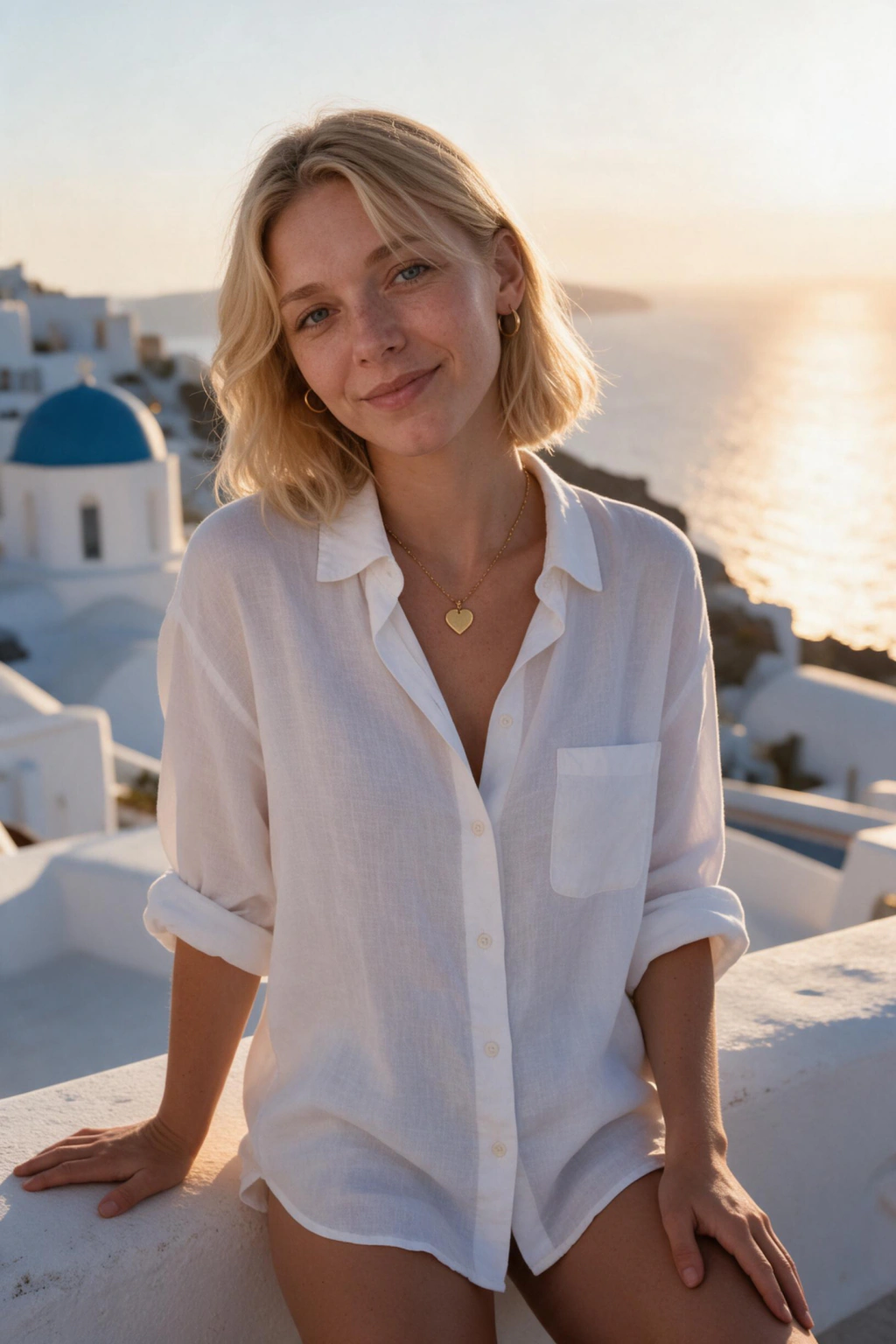
Golden hour and travel prompts (5)
Golden hour and travel prompts live or die on where the sun sits. Behind or to one side rims the hair and softens the shadow across the eyes; straight overhead flattens the scene into a snapshot.
These five map to looks on the dating and traveler packs: two close portraits built around one window or one low sun, and three travel scenes where the setting itself supplies most of the light.
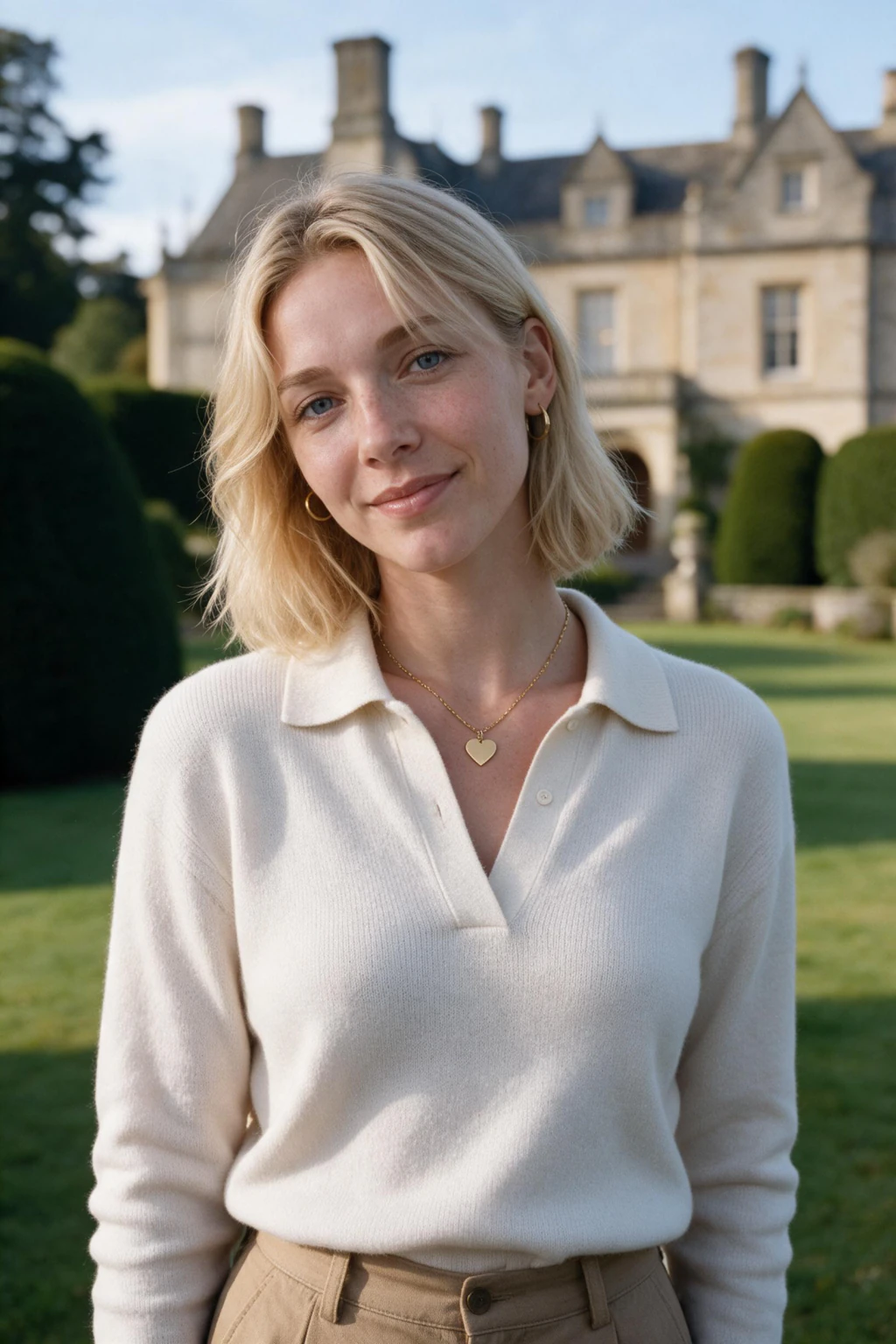
Luxury and old money prompts (5)
Luxury prompts run on even light, not hard light. A private jet cabin, a marble lobby and a manor library all supply their own soft bounce, so the prompt only needs to name the surface, not add a flash.
These five map to looks on the luxury and old money packs. Describe the setting physically (a cabin window, a stone terrace, a leather armchair), never by a hotel or brand name.
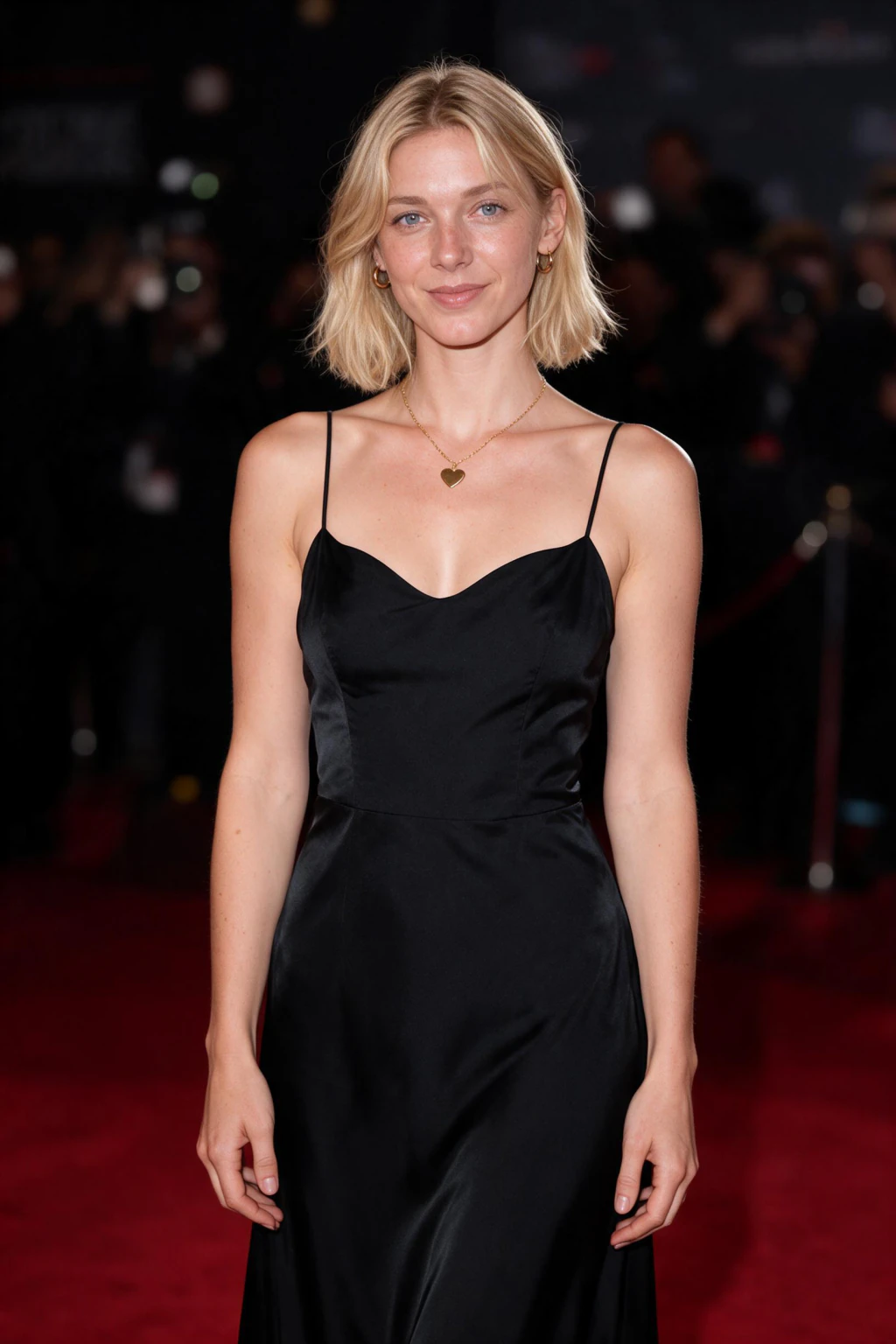
Night out and glamour prompts (5)
Night prompts split into two light families: coloured venue light at a bar or club, and a controlled flash for the red carpet and editorial frames. Mixing the two in one prompt is what makes a night photo look like two exposures stitched together.
These five map to looks on the nightlife and glamour packs. Name the colour of each light source, because a nightclub prompt with no colour named comes back under flat white light.
Retro and film prompts (5)
Retro prompts are a grade applied to a lit scene, not a filter name. Write the grade as physical film traits (faded blacks, warm highlights, visible grain, a soft colour shift) and the model treats it as a lighting and processing instruction instead of guessing at a decade.
The MakeAiPhotos pack has one look built for this treatment; the rest of the group is scene work for Gemini's Nano Banana image model or ChatGPT, with the why note naming the closest real look.
70s Film Grain Portrait
Waist-up portrait of a person in a brown corduroy jacket over a mustard turtleneck, warm-toned wood-panelled wall soft behind. Warm tungsten light from camera right as the only source, slight vignette at the corners. 50mm lens at f/2, ISO 800, heavy 35mm film grain, slightly faded blacks. Keep the face structure, skin tone and hairline from the uploaded photo unchanged, natural skin texture, no beautification.
Maps to the Old Hollywood look for the film grade; the wood panelling and tungsten light are scene work for Gemini or ChatGPT. Write the grade as physical film traits (faded blacks, grain, warm tungsten) and never as a decade name, which a model does not read as a lighting instruction.
Instant-Film Square Portrait
Square head-and-shoulders portrait of a person in a plain white t-shirt against a soft cream wall, centred in frame with a thin white border implied by the crop. Flat, slightly overexposed on-camera flash from the front, soft colour shift toward yellow-green in the shadows, close focus. Keep the face structure, skin tone and hairline from the uploaded photo unchanged, natural skin texture, no beautification.
Maps to the Old Hollywood look, the nearest in tone. Ask for instant-film traits (flat flash, soft colour shift, thin white border) rather than a brand name, because a named film brand adds a logo the model has to invent.
Grainy Analog Street Portrait
Three-quarter portrait of a person in a denim jacket over a plain grey tee, standing against a weathered brick wall on an empty side street. Flat overcast daylight from the front, high film grain, slightly desaturated colour, soft blur at the frame edges. 35mm lens at f/2.8, ISO 1600 equivalent grain. Keep the face structure, skin tone and hairline from the uploaded photo unchanged, natural skin texture, no beautification.
Maps to the Old Hollywood look for the film treatment; the brick street is scene work for Gemini or ChatGPT. Heavy grain hides small model errors the way soft focus does, which is why analog-style prompts often look more convincing than clean ones.
Seasonal prompts (5)
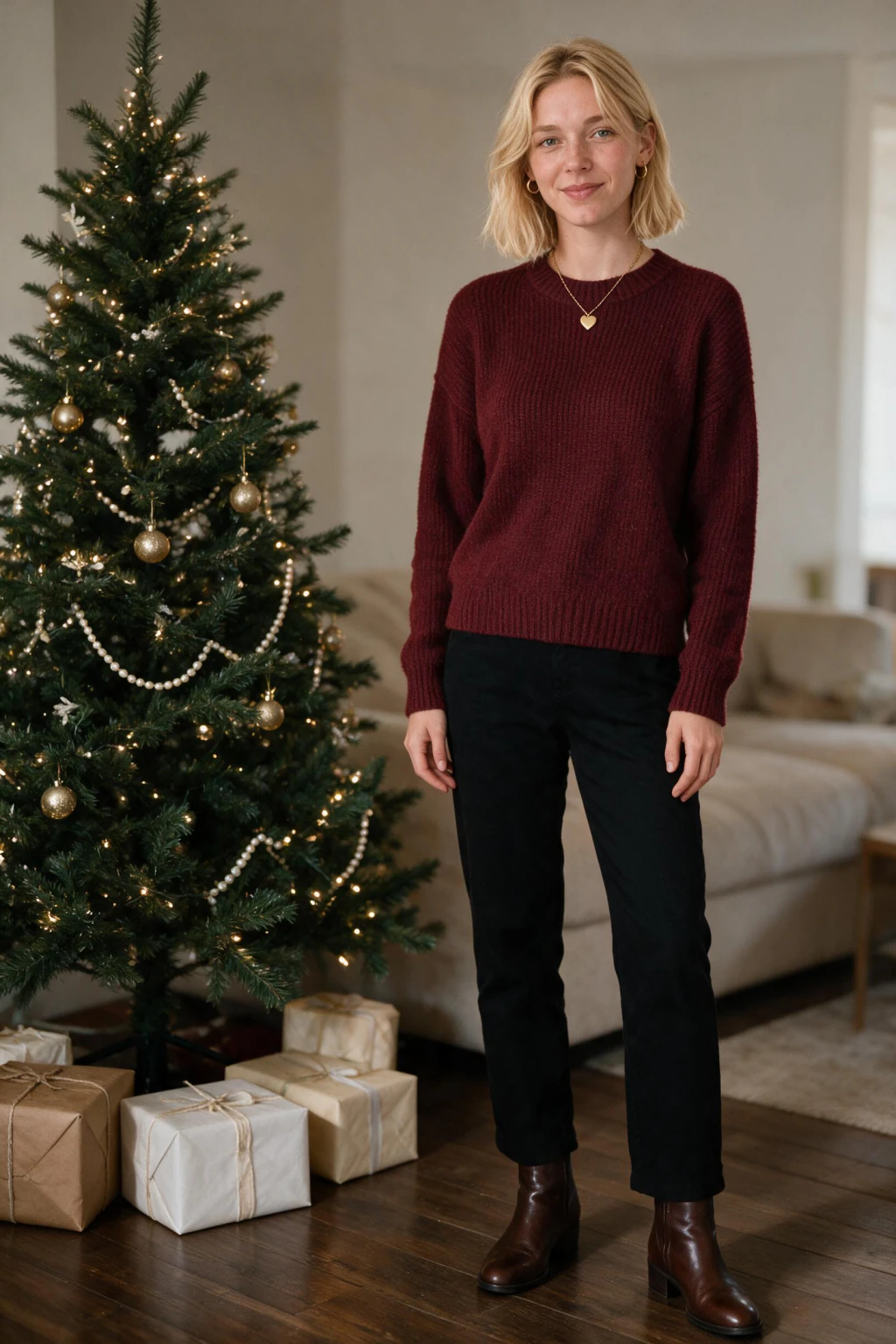
Seasonal prompts date fast, so the trick is to keep the light source doing the work instead of a dozen described ornaments. Out-of-focus string lights or fireworks behind you sets the moment without needing sharp detail the model tends to get wrong.
These five map to the Christmas and New Year Eve looks on the holiday pack, reused across a wide, a close and a candid framing so one selfie covers the whole run of parties.
Why does a Nano Banana selfie sometimes not look like you?
Four failure patterns cover most of what goes wrong on a selfie prompt, and each one has a physical cause, not a random one. The table lists the cause and the fix line to add.
| Failure | Physical cause | Fix line to add |
|---|---|---|
| Face drifts on a big smile or laugh | A large expression moves more of the face than the model's reference match was built for, so identity error compounds fastest at the mouth and eyes | Ask for a calm, closed-mouth or naturally relaxed expression, not a big grin |
| Hands come back wrong: extra or fused fingers | Hands are high-detail, high-variation shapes; the model has far less consistent training signal for them than for faces | Say hands relaxed at the sides, in pockets, or resting flat, out of the main frame |
| Any sign, label or clock comes back unreadable | Legible text is fine detail the model has to invent stroke by stroke; it renders shapes that look like letters without spelling anything | Say the text, sign or clock face is soft-focus and unreadable |
| The selfie's hoodie or top stays in every result | With no new wardrobe named, the model treats your uploaded clothing as part of your identity and keeps it | Name the new outfit in fabric and colour in the first sentence of the prompt |
What is the prompt for trending Nano Banana photos?
There is no single secret string. The nano banana prompts that spread on feeds share a shape, not a sentence: an outfit in fabric and colour, a setting in objects, one light source with a direction, a framing and a lens, and a closing line telling the tool to keep the uploaded face unchanged. Every card on this page is written in that shape.
The closing line is the part most people copy without the rest. On its own it does little, because Gemini's Nano Banana image model treats an attached selfie as a reference and draws a person who resembles you, not a pixel copy. The scene lines make the photo good; the face line only nudges the resemblance.
On MakeAiPhotos the face line is not needed, because the face comes from your selfie, not the prompt. You pick the Studio black crewneck look and the outfit, backdrop and light are already written into it. That is the difference between a trending prompt and a trending photo of you.
How do you keep your own face in a Nano Banana selfie?
Three levers, in order. First, the upload. On MakeAiPhotos the face comes from the selfie, not the prompt, so a sharp, front-facing, current-hair selfie in soft daylight with beauty mode off does more than any wording. One clear selfie is enough.
Second, keep the face uncovered and lit, and keep the expression calm. Beanies pulled low, a cup in front of the mouth, thick shadow and a huge exaggerated smile all move the parts of the face that carry likeness, which is where any generated result drifts first.
Third, an identity line if you are pasting into a chat tool: keep the face structure, skin tone and hairline from the uploaded photo unchanged, natural skin texture, no beautification. It helps most where the tool treats your photo as loose inspiration rather than a strict reference.
The most common mistakes are simple to fix once you see them. An outfit never named leaves the selfie's hoodie in every result: name the new outfit in the first sentence. A light source never named leaves flat midday light: name one source and its side. A landmark named by name comes back smeared: describe the place, not the brand. Hands and legible text left unaddressed fail most often: keep them out of frame or call them soft-focus. And a huge expression breaks likeness fastest: keep it calm and put the energy in the pose instead.
Frequently Asked Questions
- What is Nano Banana?
- Nano Banana is the name of Gemini's image model, Google's image generator built into the Gemini app. It takes a text prompt, often with a reference photo, and returns a new image. MakeAiPhotos is a separate AI photo generator with its own model and look picker; it turns your selfie into a chosen scene.
- What are the best nano banana prompts for selfies?
- The ones written as a physical scene: outfit in fabric and colour, one light source and its side, a fixed framing and lens, objects that set the scene, and a closing line asking the tool to keep your face unchanged. All 30 prompts on this page follow that shape, grouped by headshot, travel, luxury, glamour, retro and seasonal use.
- Why does my nano banana photo not look like me?
- Usually one of three things: the reference selfie was soft, filtered or at an angle; the prompt asked for a big expression, which is where identity drifts fastest; or the scene covered the face with a hat, cup or heavy shadow. Fix the selfie first, keep the expression calm, and keep the face lit and open.
- Can I paste these prompts into ChatGPT instead of Gemini?
- Yes. The prompt text describes a scene, not a specific model, so it works in ChatGPT's image tool, Gemini's Nano Banana image model, or any text-to-image tool that accepts a reference photo. Results vary by tool; the physical instructions, outfit, light, framing and lens, are what carry over.
- Do I need to type these prompts into MakeAiPhotos?
- No. The prompt text is for Gemini or ChatGPT. On MakeAiPhotos you pick the look each card names, such as Studio black crewneck on the LinkedIn pack or Christmas on the holiday pack. Upload one selfie once and run as many looks as you like, about 2 minutes each, no model training.
- What is a good nano banana prompt for a LinkedIn profile picture?
- Studio Black Crewneck Headshot is a fair example: a black cotton crewneck against a plain grey backdrop, soft daylight key from camera left, head-and-shoulders framing, 85mm at f/2.2. Plain grey behind dark clothing is the highest-contrast setup the model renders cleanly, which is why it works for a small profile circle too.
- Do nano banana prompts cost anything to use?
- The prompt text itself costs nothing to type or paste; Gemini and ChatGPT set their own usage terms for image generation. MakeAiPhotos is a paid product: $14.99 one time buys about 30 finished photos from one selfie, about 2 minutes each, with a 14-day money-back guarantee (terms apply).
- Why does Nano Banana keep my hoodie in every photo?
- Because the prompt never named a replacement. When a prompt has no new outfit written in fabric and colour, the model treats whatever you are wearing in the reference selfie as part of your identity and keeps it. Name the outfit in the first sentence, such as a black cotton crewneck or a cream linen shirt, and it changes.