Why do black and white photos get more likes on dating apps?
Hinge's own 2017 Profile Picture Report, as quoted by Bustle, found that black and white photos made up only about 3% of pictures on the app and were liked more often than color ones. It is an older report and outlets quote its exact multiplier differently, so the safe takeaway is the direction, not a number: the rare black and white photo stands out.
The dating app The League ran its own test and found a smaller but still real effect: making a user's first photo black and white lifted acceptance rate by 10% and roughly doubled how long viewers spent looking at the profile, according to TechCrunch's coverage of the test.
Neither report says black and white should be the whole profile. It works because a swipe-heavy app rewards contrast and a face people slow down on, and a monochrome frame does both at a glance.
One phone selfie to 4 AI photos of the same person

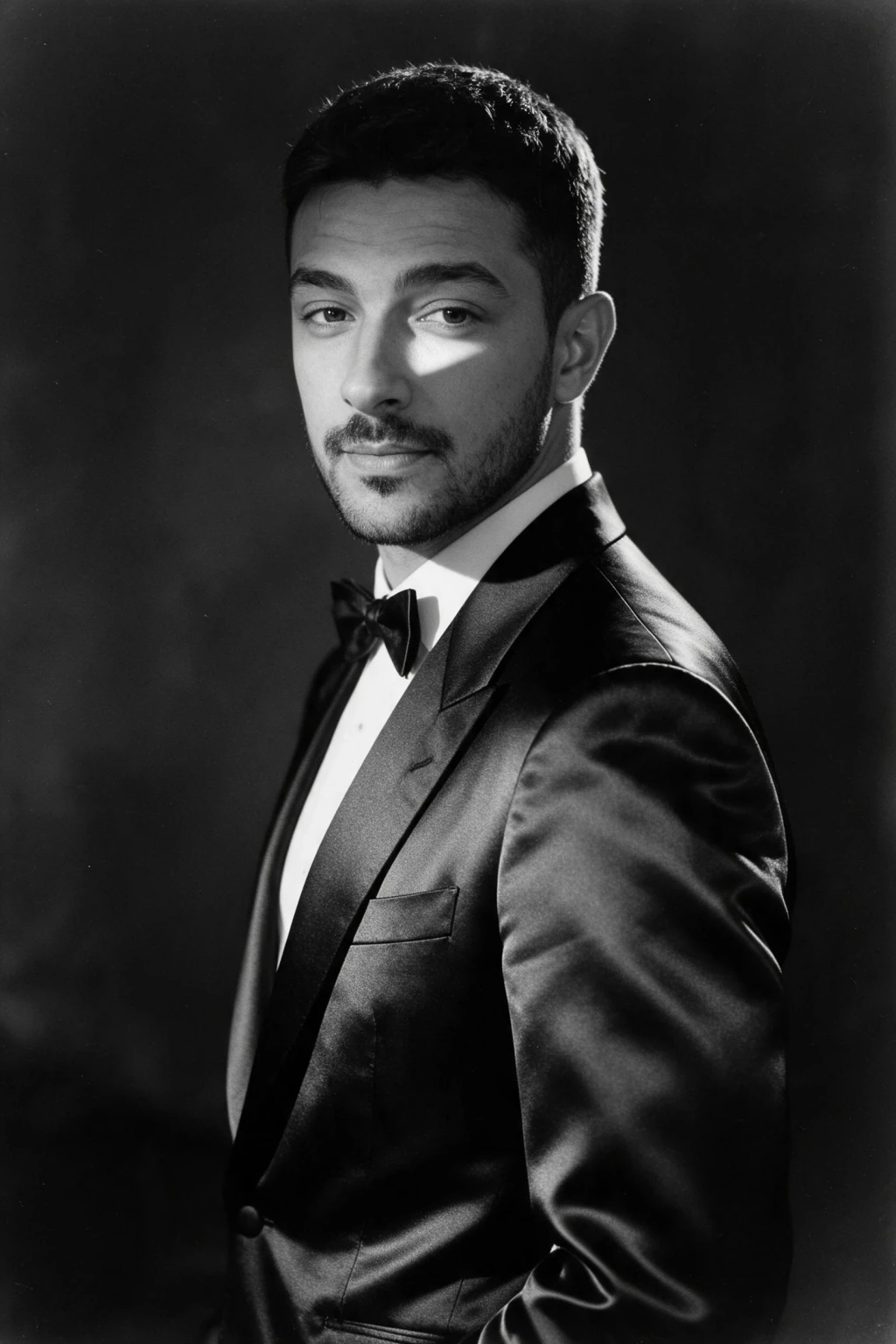
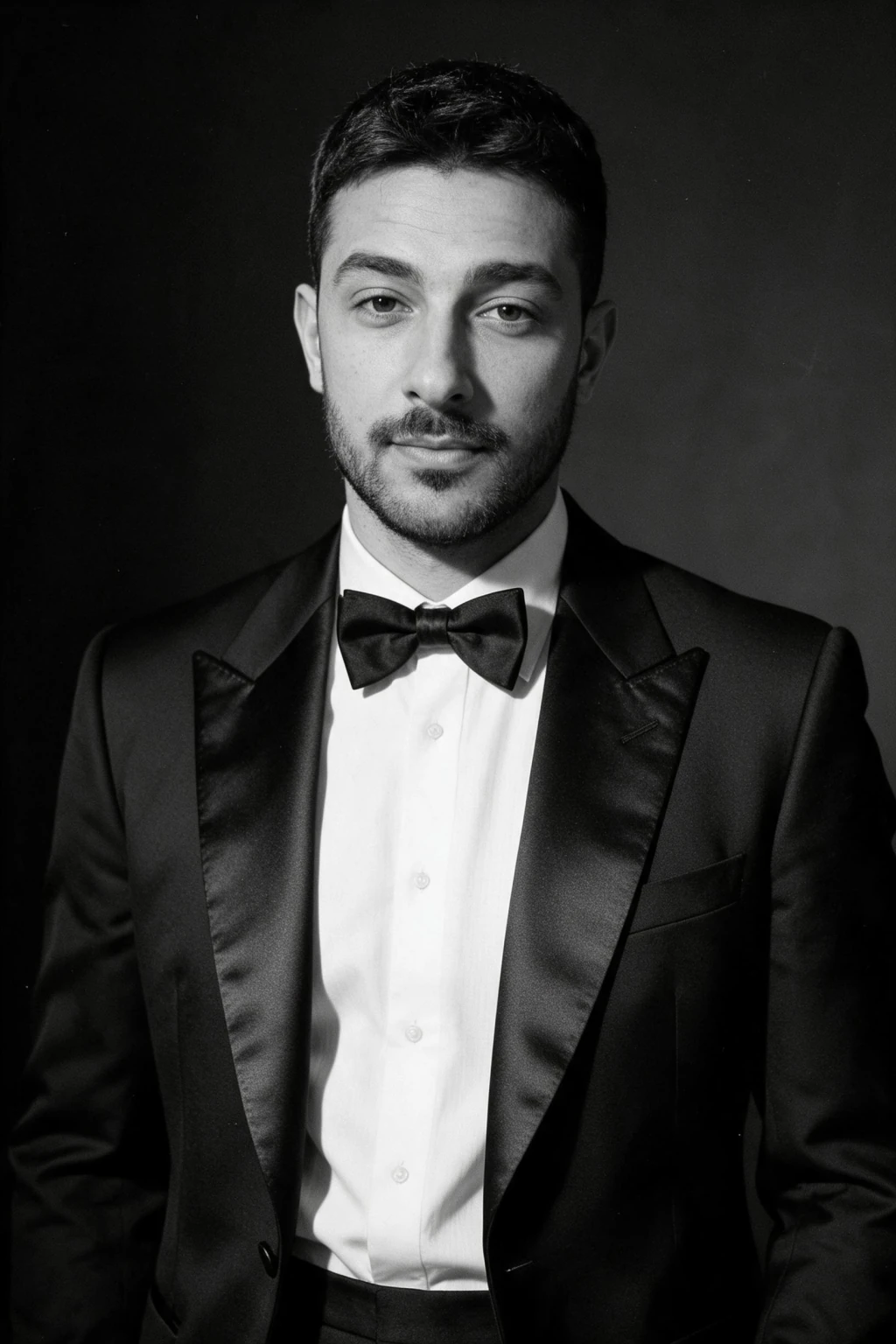


Which black and white style should you actually use?
Every article repeating the Hinge stat stops at 'use one black and white photo' without saying what should be in it, which leaves most people converting a random color photo to grayscale in their phone's edit tool.
A flat grayscale filter over a normal photo rarely works, because it just removes color and keeps the same soft, ordinary light. The style that survives being shrunk to a thumbnail is an old Hollywood studio portrait: one hard key light sculpting the face, a plain dark background, and real contrast between the lit and shadow side.
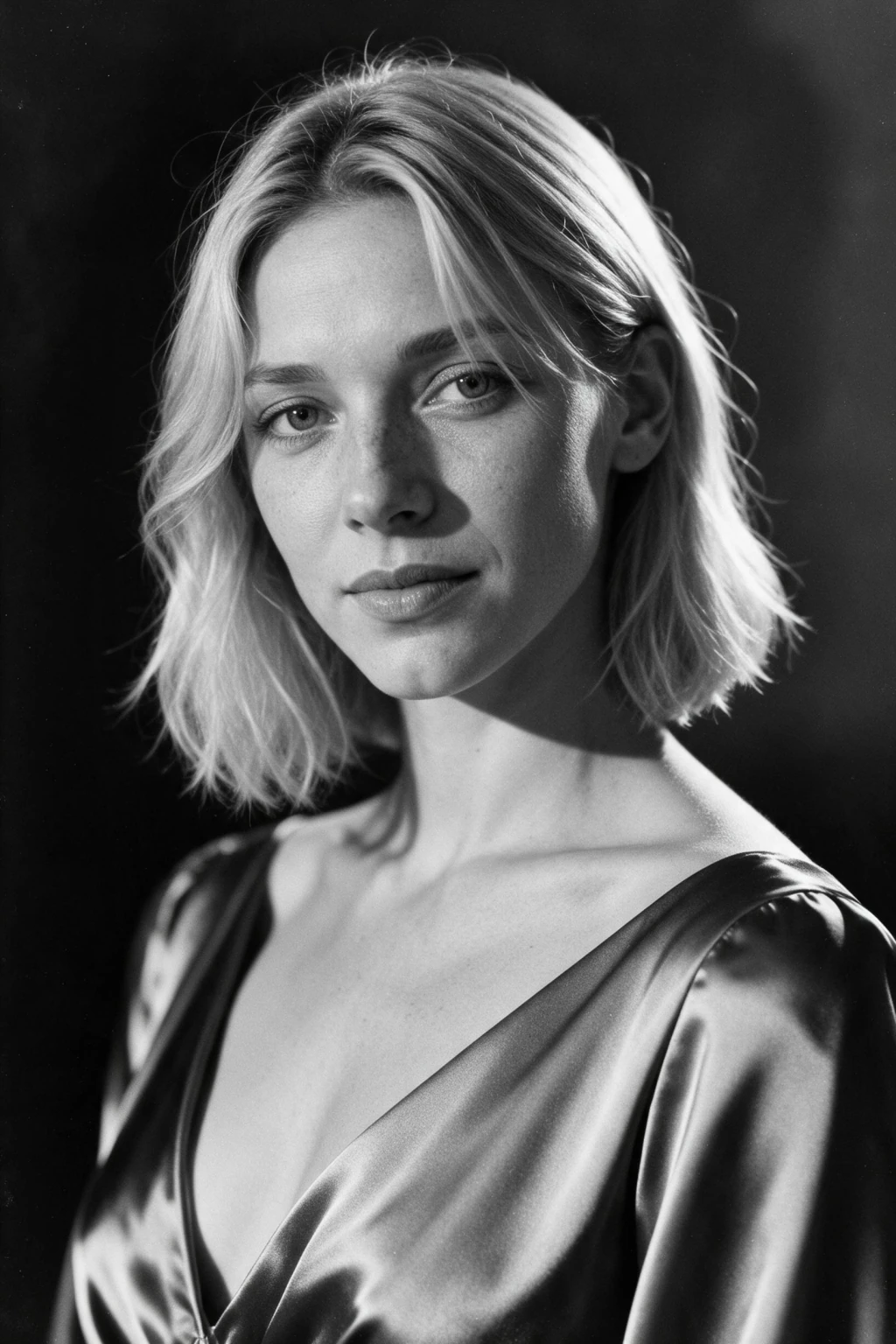
| Black and white style | Works as a supporting dating photo? | Why |
|---|---|---|
| Old Hollywood studio portrait | Yes | Hard key light and dark background hold contrast at thumbnail size |
| Grayscale filter over a casual color photo | Rarely | Flat, even light turns muddy gray instead of true black and white |
| Dramatic editorial or fashion black and white | No, not as your main photo | Reads as a portfolio shot, not a dating photo, at full size |
| Street candid converted to black and white | Sometimes | Works only if the original light already had real shadow |
Where does the black and white photo go in your photo lineup?
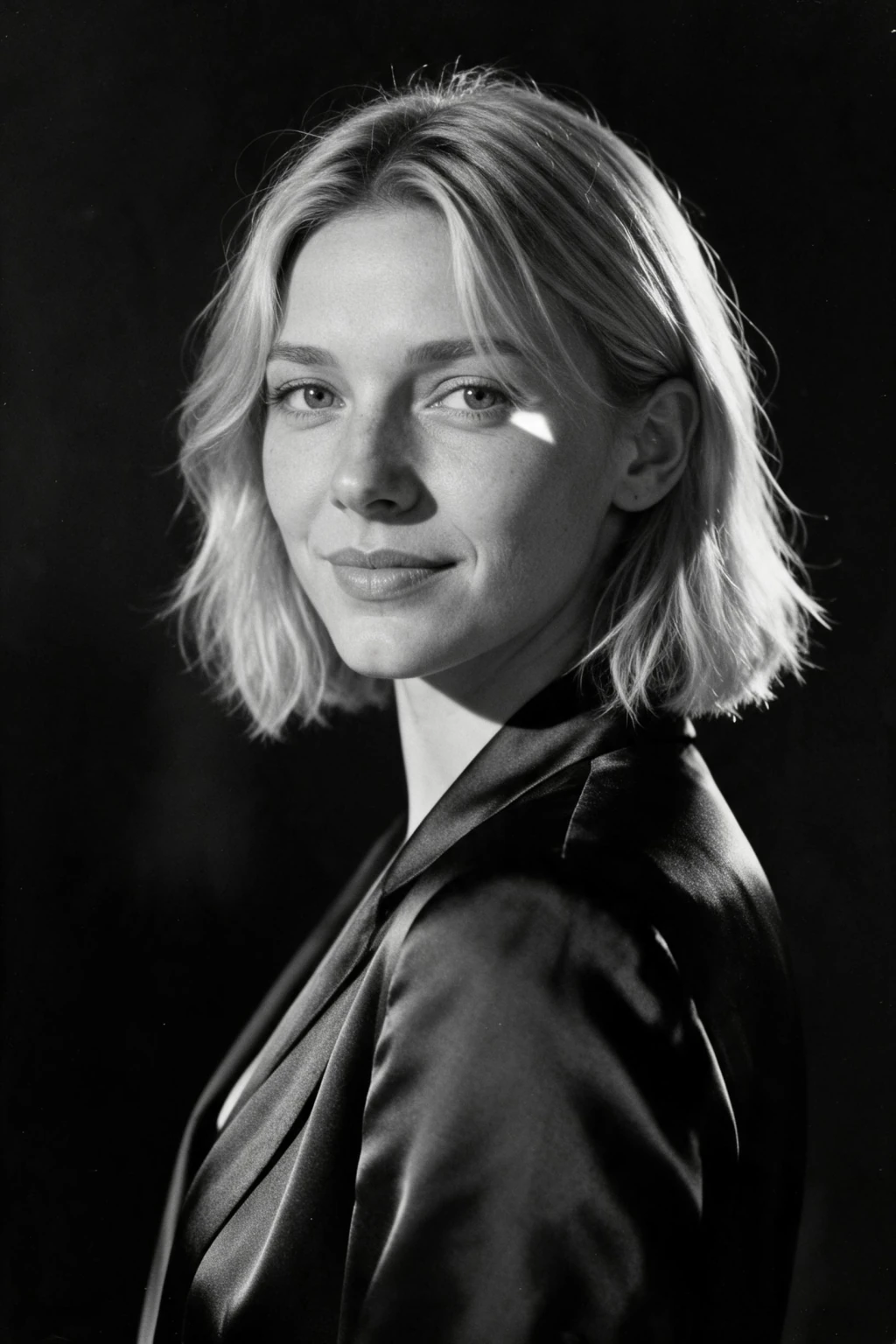
A black and white photo works as a supporting frame, never as the first photo a match sees, because the opening slot on every major dating app needs to be a clear, recent, color photo that answers whether this is really what you look like right now.
The site's own guide to ordering your dating profile photos already warns against leading with a dramatic black and white shot, and caps it at one black and white frame maximum. Put it in slot three or four, after a clear face photo and a full body shot. If you are filling out a full Hinge profile, it fits the 'dressed up' or 'social' slot better than the opener.
| App | Best slot for the black and white photo | Why |
|---|---|---|
| Hinge | Slot 3 or 4 of 6 | Slot 1 is judged hardest, slot 3 to 4 rewards a photo that makes someone pause |
| Tinder | Second or third photo | Judged in under a second, contrast still reads at thumbnail size in slot two |
| Bumble | Middle of your set | Women message first on Bumble, a considered lineup order still holds |
What makes an old Hollywood portrait read as real, not AI-smooth?
A hard key light from one side, real skin texture and a trace of film grain are what separate a convincing old Hollywood portrait from the over-smoothed look people associate with AI photos.
Look for real pores and fine lines catching the light, not airbrushed skin. A single strong shadow line across the face, a dark satin or dinner jacket, and a plain studio background with no visible set dressing all read as deliberate lighting, not a filter.
A three-quarter turn of the shoulders, chin slightly down, one eye catching more light than the other, does more to sell the look than the black and white conversion itself.
How do you get this look without hiring a photographer?
MakeAiPhotos generates the old Hollywood black and white look directly from one selfie inside the AI old Hollywood glamour photo generator, with no studio booking and no separate photo shoot.
Upload one clear selfie, pick the Old Hollywood look, and the photo comes back in about 2 minutes with no model training to wait through. $14.99 covers 300 credits, about 30 finished photos, so the same selfie can also cover a red carpet or black tie look for other slots in your dating profile.
You see your own result before you pay for it, backed by a 14-day money-back guarantee, so there is no guessing whether the light and contrast will actually work on your face.
Does black and white work the same for men and women on dating apps?
The Hinge stat and The League's test both drew from a mixed pool of users, and neither report found the effect limited to one gender.
The mechanism is the same either way: contrast and a face someone slows down on. Where it differs is styling. A dinner jacket and open collar read as old Hollywood for men, a satin gown strap or bare shoulder reads the same for women, and both come from the same selfie through the same glamour looks.
Should you tell a match your black and white photo is AI generated?
Yes, if anyone asks, and more broadly, your first photo should stay a real, recent photo of you regardless of the black and white one you add further down.
An AI generated photo is a new photo of your real face and features, not a filter or a face swap over someone else's photo, so it still shows how you actually look. The honest approach: lead your profile with an unedited recent photo, use the old Hollywood black and white portrait as one supporting frame, and say so plainly if a match asks how you got it.
Platform rules mostly ask for photos that represent you accurately rather than banning AI outright, so a styled portrait of your own face is a different situation than presenting a fantasy scene as something that really happened.
Frequently Asked Questions
- Should you use a black and white photo on your dating profile?
- Yes, one. Black and white photos are rare on dating profiles, but an older, widely cited Hinge report found they stood out and got liked more often than color ones. Use exactly one black and white frame, placed as a supporting photo in your lineup, never as your first or only picture.
- Do black and white photos really get more likes on Hinge?
- An older, widely cited Hinge report found that black and white photos, though rare on the app, got liked noticeably more often than color photos. Bustle's coverage of that report and other outlets citing the same data disagree on the exact multiplier, but one photo captures the effect, not an all black and white profile.
- Should I use a black and white photo on Tinder?
- Yes, the same rule applies across Tinder, Hinge and Bumble: one black and white photo placed after your first color photo. Tinder profiles get judged in under a second, so a high-contrast black and white frame in slot two or three still reads clearly at thumbnail size.
- What is the best black and white style for a dating profile photo?
- An old Hollywood portrait: sculpted hard key light from one side, a dark studio background, and a satin or dinner jacket, shot close from the shoulders up. That level of contrast survives being shrunk to a thumbnail, which a soft grayscale filter over a casual color photo usually does not.
- How many black and white photos should be in your dating profile?
- One. Every source that has studied this, from Hinge's own report to independent dating photo guides, agrees that a single black and white photo is the sweet spot. A second one starts to look like a theme rather than one deliberate, striking frame in an otherwise color lineup.
- Should your black and white photo be your first profile picture?
- No. Your first photo should be a clear, recent color photo that shows exactly how you look today, since that is the one every dating app judges hardest. Save the black and white old Hollywood portrait for slot three or four, where it works as a striking supporting shot.