What are the best private jet AI photo prompts in 2026?
A private jet AI photo prompt is a block of text you paste into an image chatbot with your selfie attached, asking for a photo of you inside a business jet cabin you have never boarded. The trend runs on Instagram and TikTok as window-seat portraits, champagne toasts and airstair walk-downs, and almost every prompt shared under it names a real airline or a real aircraft model.
Route one is a general image chatbot. Attach one selfie to Gemini or ChatGPT, paste one of the 9 prompts below, and a cabin photo comes back in under a minute. The catch is the face. Every attempt is a fresh drawing, so you look like yourself on the first try and like a relative on the third.
Route two is a generator built to hold your face still. Upload one selfie to the AI luxury lifestyle photo generator, pick the private jet look, and the photo comes back in about 2 minutes with no model training. The rest of this page gives you the prompts for route one, the six lines that decide whether a cabin reads as a real photograph, and why naming a carrier is the mistake that gives the whole thing away.
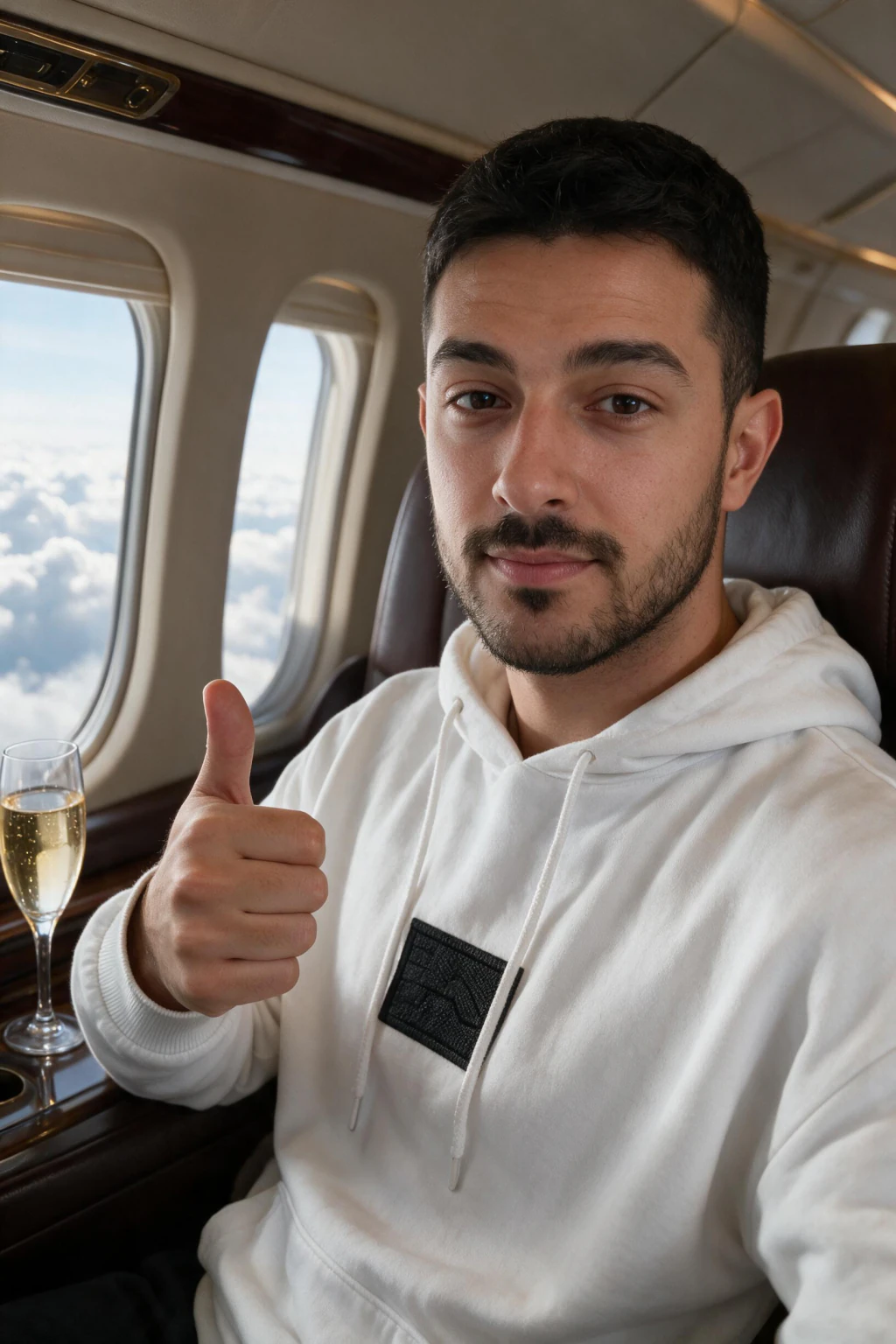
One phone selfie to 5 AI photos of the same person
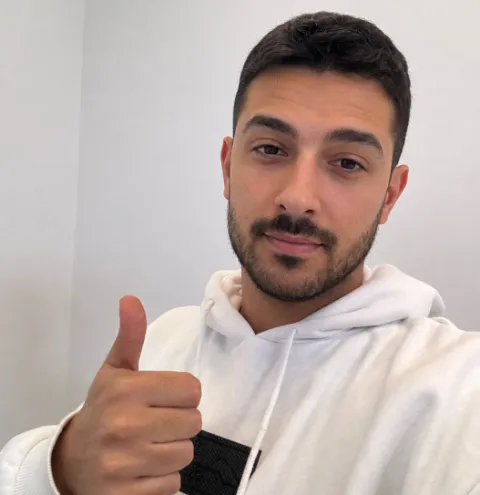
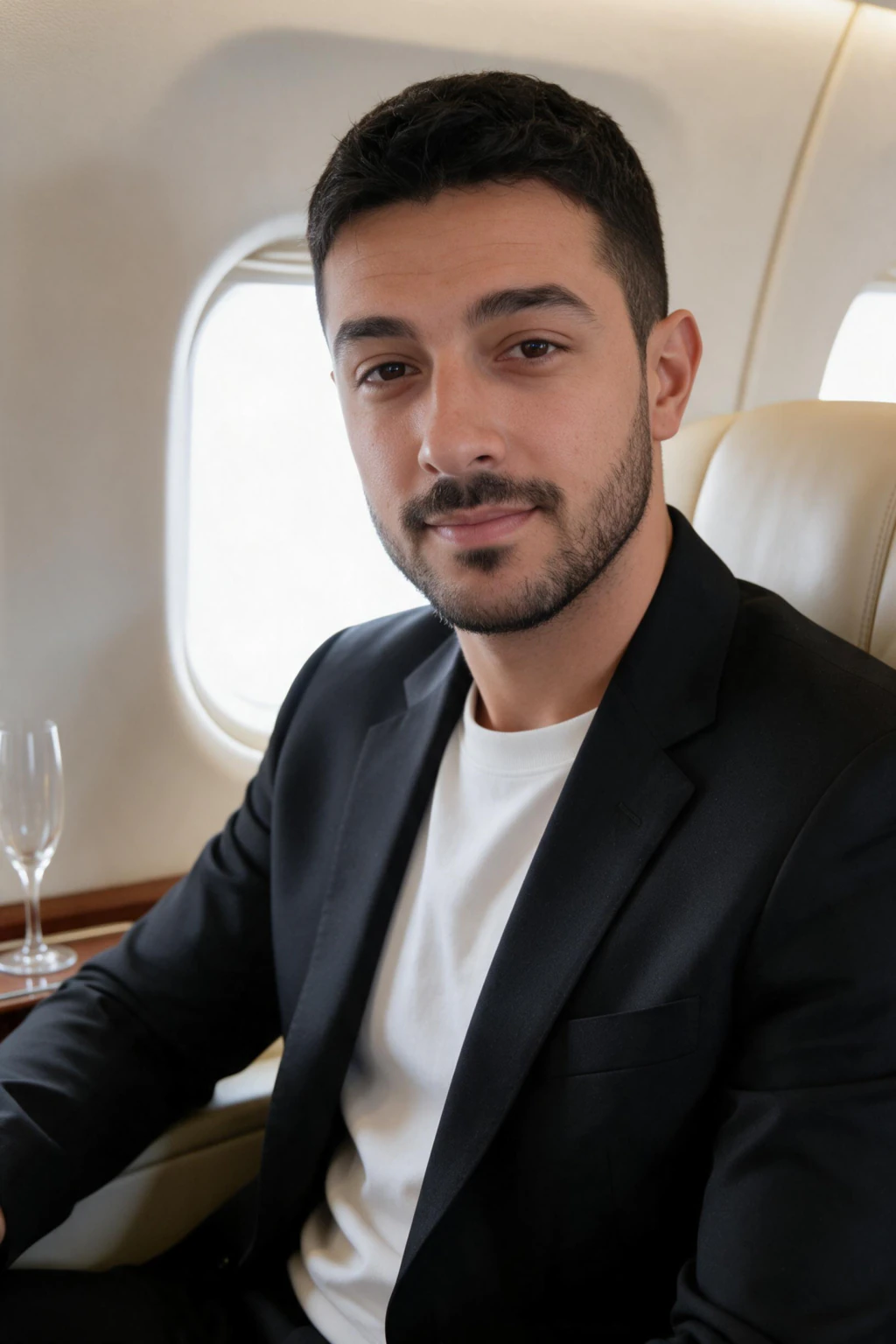
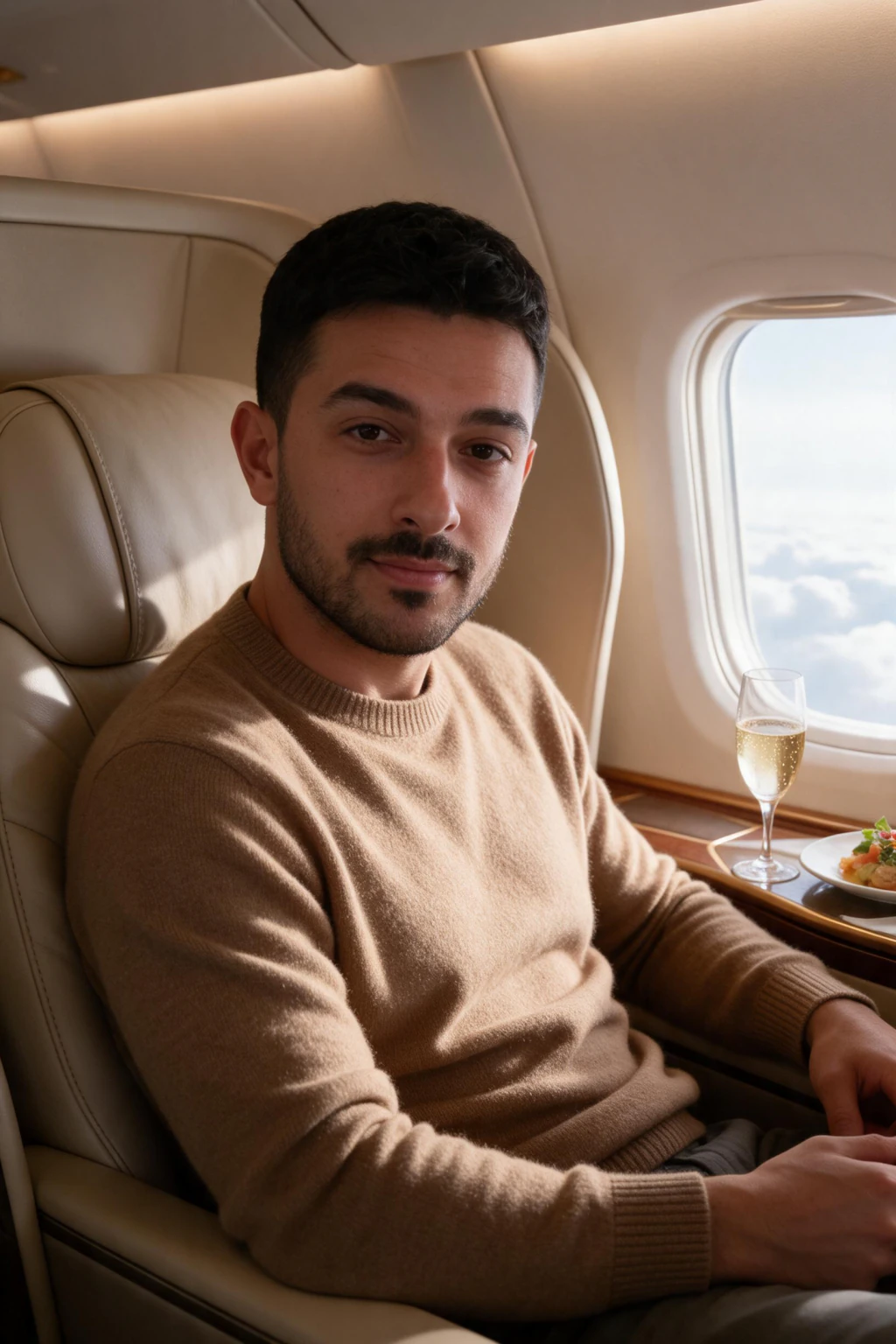
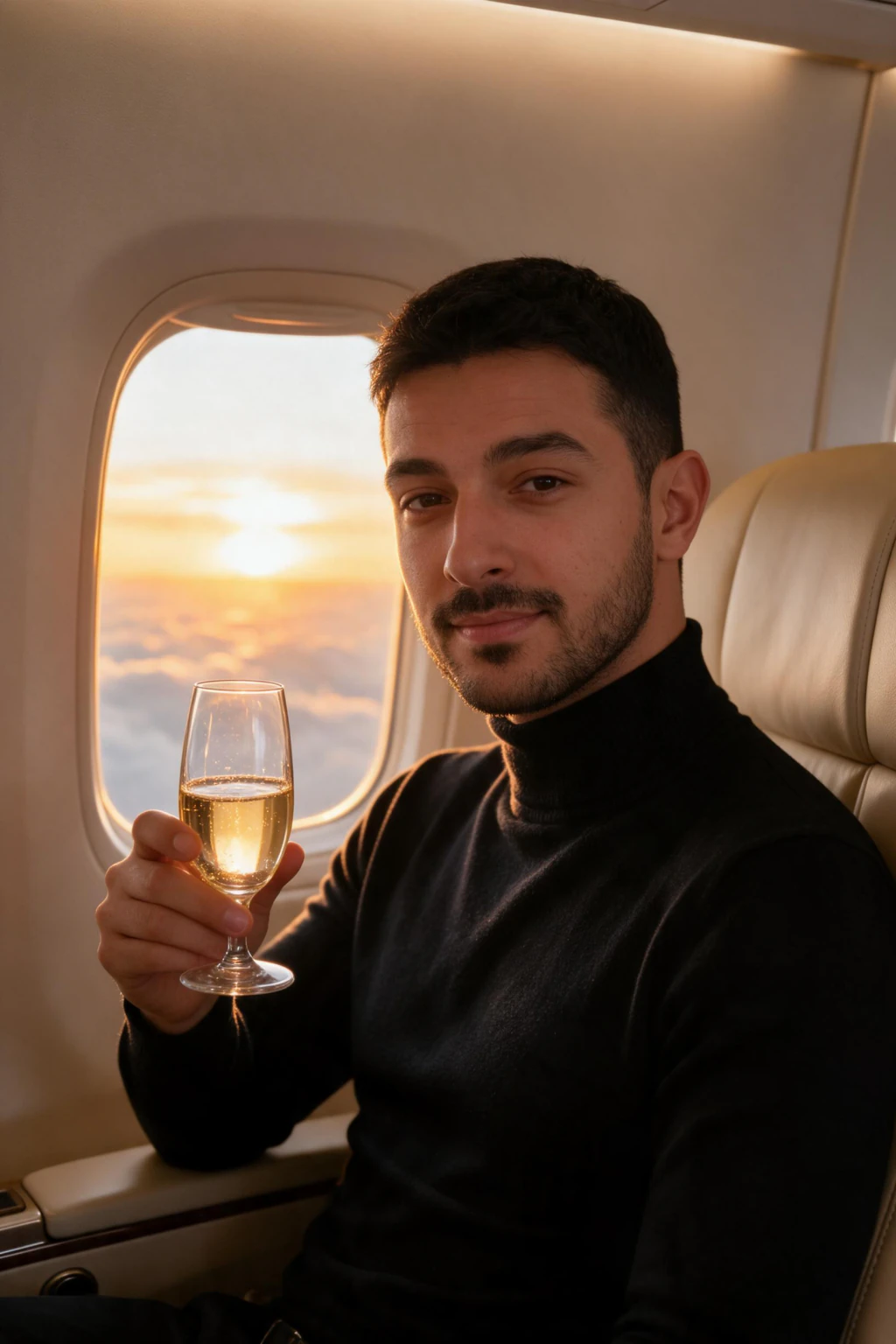
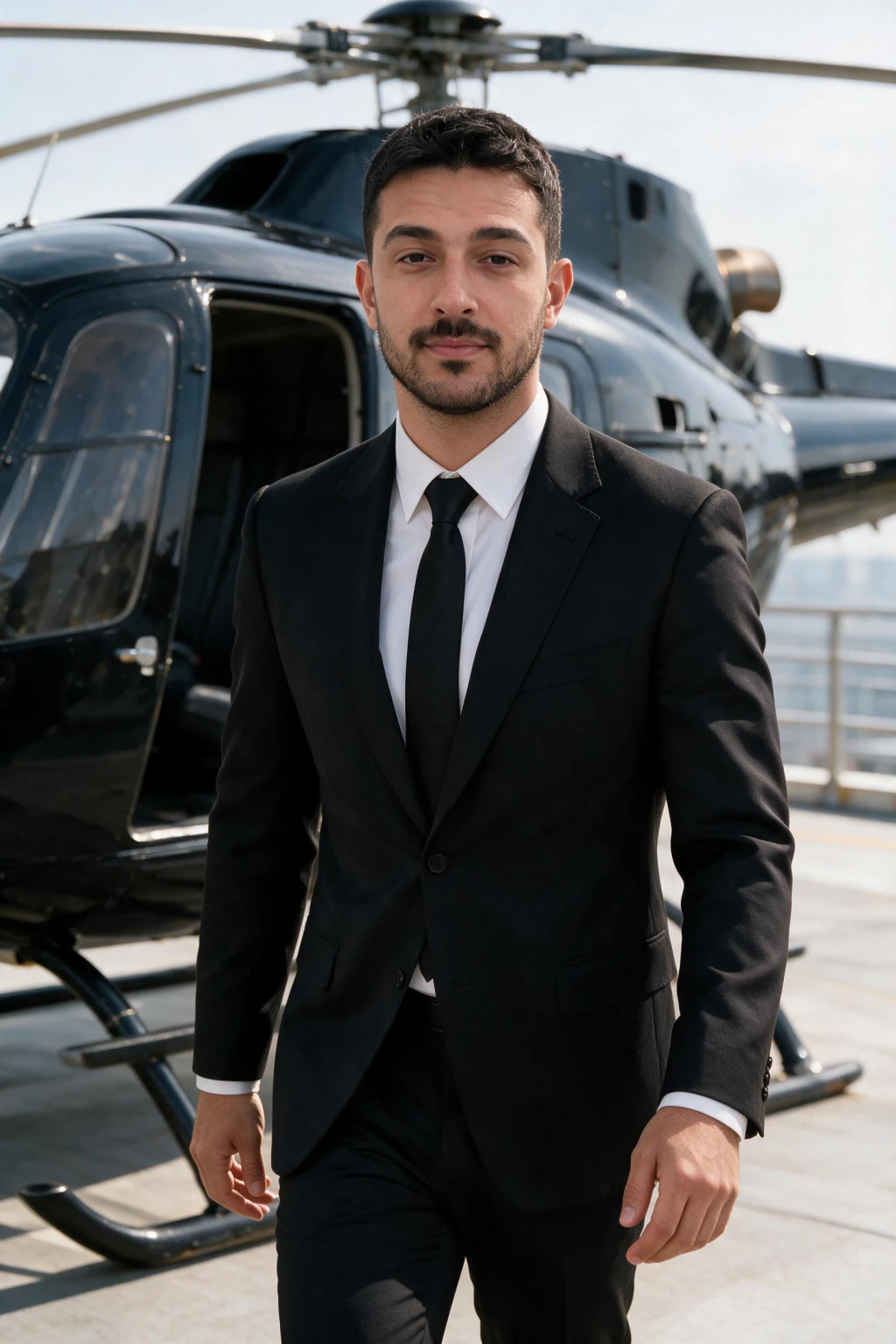
9 copy-paste private jet AI photo prompts for Gemini or ChatGPT
Attach one clear selfie, then paste one of these. Each describes the cabin by its materials instead of by an airline, names one light and the direction it falls from, and bans logos, registration letters and text, because a prompt that only says me on a private jet gets you a stranger sitting under a misspelled brand name.
Six of the nine map to the two private jet looks in the luxury lifestyle pack, and three to the first class looks. The look each one matches is named at the end of its card, so you can skip the prompt box entirely and pick the look instead.
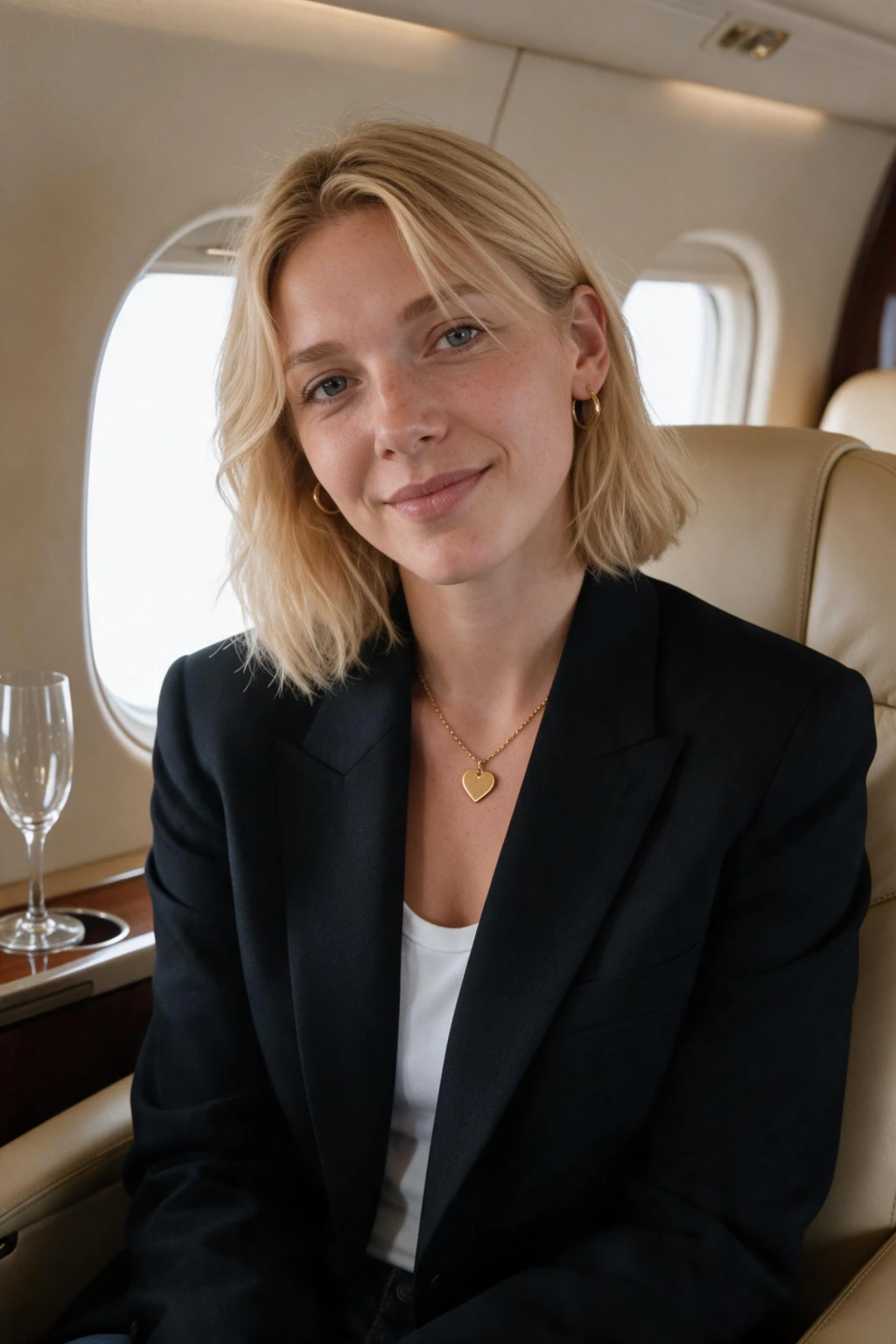
Window Seat, Morning Light
Use the face in the uploaded photo exactly, same features, same skin tone, do not beautify. Waist-up photo of this person seated beside the oval window of a small private jet cabin, cream leather seat, polished wood side table, no airline name and no logo anywhere in frame. Cold morning daylight through the window from camera left. 50mm lens look, natural film grain, no HDR.
Maps to the Private jet look. Naming the window as the only light source is what puts the bright edge on one cheek and leaves the rest of the cabin dim. Add a ceiling light and the whole frame flattens into a stock photo.
Champagne Toast in the Cabin
Use the face in the uploaded photo exactly, do not beautify. Waist-up photo of this person raising a narrow glass toward the camera in a private jet cabin, plain cream seats and an unmarked bulkhead, no brand names on the glass or the cabin walls. Warm cabin spotlights from above and behind, soft window light from camera right. 35mm lens look, shallow depth of field, fine grain.
Maps to the Private jet, influencer luxury look. Two warm sources from two sides give the face shape without the flat overhead glare that makes cabin photos read as a render. Keep the hand around the stem, not wrapped over the bowl.
Boarding the Airstair
Use the face in the uploaded photo exactly, do not beautify. Full-body photo of this person paused halfway up the folding airstair of a small white business jet, one hand on the rail, looking back over the shoulder. Plain unmarked white fuselage, no livery, no registration letters. Overcast tarmac daylight from camera right. 35mm lens look, natural colour, no oversharpening.
Maps to the Private jet look. The turn back over the shoulder is what stops this reading as a stock boarding photo, and asking for the fuselage to stay plain white is what keeps an invented airline name off the side of the aircraft.
Cabin Table, Laptop and Coffee
Use the face in the uploaded photo exactly, do not beautify. Waist-up photo of this person working at a fold-out cabin table in a first class suite, open laptop with a completely blank screen, a white cup on a saucer, plain grey seat shell with no branding. One reading spotlight from above camera left, dim cabin behind. 50mm lens look, ISO 800, fine grain.
Maps to the First class suite look. Asking for a blank laptop screen matters more than it sounds: left open, the model invents a logo and a fake interface, and that is exactly the detail people zoom in on before they call a photo fake.
On the Tarmac Beside the Engine
Use the face in the uploaded photo exactly, do not beautify. Full-body photo of this person standing on wet tarmac beside the rear engine of a small white business jet, hands in coat pockets, looking past the camera. Plain fuselage, no livery, no registration letters. Low golden-hour sun from camera left, a long shadow across the apron. 35mm lens look, warm film colour.
Maps to the Private jet look. Wet tarmac is what grounds the aircraft, because the reflection under the wheels ties it to the surface. Without it the jet looks pasted in behind you, which is the single most common failure in this scene.
Cabin Selfie at Altitude
Use the face in the uploaded photo exactly, do not beautify. Phone selfie taken by this person at arm's length in a small jet cabin, seatbelt visible, bright cloud tops through the oval window behind the shoulder, plain unmarked seat and bulkhead. Soft daylight from the window lighting one side of the face. Slight wide-angle phone stretch at the frame edges, natural skin texture, no beauty filter.
Maps to the First class suite look. This is the most believable frame of the nine, because it is how people actually photograph themselves on a plane. Asking for the phone-lens stretch is what stops it looking like a magazine shoot.
Night Cabin, Single Reading Light
Use the face in the uploaded photo exactly, do not beautify. Head-and-shoulders photo of this person seated in a dark private jet cabin at night, a single overhead reading light falling from above and slightly behind, black window with no view outside, plain unmarked interior. Calm expression, looking away from the camera. 85mm lens look, wide aperture, ISO 1600, visible grain.
Maps to the Private jet look. One hard light from above is the strongest portrait this setting has, and the black window is what tells the model it is night rather than a dim afternoon. Ask for grain or the shadows come back plastic.
Feet Up on the Leather Divan
Use the face in the uploaded photo exactly, do not beautify. Full-body photo of this person stretched along a cream leather divan in a private jet cabin, shoes off, ankles crossed, a magazine lying face down beside them. Plain cabin walls, no branding and no readable text anywhere. Warm cabin light from above camera right, soft window glow behind. 35mm lens look, natural colour, fine grain.
Maps to the Private jet, influencer luxury look. A relaxed pose reads better here than a posed one, because the point of the frame is that the whole cabin belongs to one person. Banning readable text keeps invented brand names off the magazine.
Sunset Window Toast
Use the face in the uploaded photo exactly, do not beautify. Waist-up photo of this person seated beside the oval window of a first class suite, holding a narrow glass toward the window, orange sunset light on the cloud layer outside. Plain grey seat shell, no branding on the glass or the tray table. Warm low sun from camera right across the face. 50mm lens look, warm film colour.
Maps to the First class, sunset window toast look. The sun has to be low and from the side or the cabin goes flat, and orange light on the cloud tops is the one detail that dates the photo to a real time of day.
What does each prompt line do, and what breaks without it?
Every prompt above carries the same six instructions. Drop one and a specific thing goes wrong, which is why the one-line jet prompts copied out of captions almost never land.
The airline line is the one people skip. A named carrier comes with its livery because nearly every photo of that carrier the model learned from carries one, and lettering is where image models most visibly fail. You get a wordmark that almost spells the name, plus a tail number in a real registration format that may belong to somebody's actual aircraft.
| Prompt line | What it does | What breaks without it |
|---|---|---|
| Use the face in the uploaded photo exactly, on the first line | Tells the model which face matters before it reads a word about leather or chrome | A smoother, more symmetrical stranger sitting in your seat |
| No airline name, no logo, no registration letters | Keeps real carriers and invented tail numbers out of the frame | A livery on the fuselage with the lettering wrong, and a tail number that belongs to a real aircraft |
| The cabin by material: cream leather, polished wood, oval window | Builds a business jet interior without calling up one manufacturer's styling | A wide airliner cabin with rows of seats, which is the opposite of the photo you wanted |
| One named light with a direction: window from camera left | Gives the face a lit side and a shadow side | Even overhead light, the look every render has and no real cabin does |
| Blank screens, no readable text on anything in frame | Stops the model inventing logos, interfaces and magazine covers | Garbled lettering on the laptop, the cup and the bulkhead, the first thing a viewer zooms in on |
| Film grain, no HDR, no oversharpening | Kills the glossy render finish on leather and window glass | Leather and chrome so crisp the cabin reads as a video game interior |
Why does the chatbot change your face in the jet cabin?
A general image chatbot does not keep your face and swap the background behind it. It draws the whole frame again, your face included, from its own reading of the selfie you attached, and every attempt is a new drawing. That is why the same prompt returns three slightly different people.
Cabin shots make it worse than most scenes. Leather, polished wood, window glare and the bright cloud layer outside soak up most of the detail, while your face occupies a small part of a waist-up frame. The features that make you recognisable, the nose bridge, the jaw line, the space between the eyes, drift toward an average face.
Three things help inside a chatbot. Attach a sharp, front-facing selfie taken in daylight with beauty mode off. Put the face instruction on the first line, before any word about leather or champagne. Frame no wider than waist-up, so your face gets more of the picture. Even then, the likeness moves from attempt to attempt.
A generator built for photos of you works the other way round. MakeAiPhotos starts from your selfie, holds your features, and generates the cabin, the window light and the tarmac around them, the same approach behind all its AI photos of yourself. Pick the private jet look in the AI luxury lifestyle photo generator and the photo comes back in about 2 minutes, with no model training to wait through.
Which private jet AI photo should you actually post?
The nine land differently. The cabin selfie at altitude is the most believable as a profile picture, because it is how people really photograph themselves on a plane. The window seat in morning light is the one that holds up at thumbnail size, since the bright window gives your face a clean edge against a dark cabin.
The airstair and the tarmac frames are the ones that read as a flex. Both show the whole aircraft, which turns the photo into a claim about what you flew rather than a photo of you. Post one of those and the first reply you get is whether it was yours.
Whatever you pick, keep the caption honest. A generated cabin photo captioned as a trip you did not take is the version that goes wrong. The photo shows your real face, so the caption is the only part of it that can be untrue. The same rule covers every scene in AI fake travel photos.
One upload covers the whole pack. The private jet, the first class suite, the yacht at golden hour, the helipad and the grand hotel lobby all come from the same selfie. $9.99 one time buys 100 credits, which is about 10 finished photos at 10 credits each and about 2 minutes per photo. You see your own result before you pay, and a 14-day money-back guarantee comes with it.
Frequently Asked Questions
- What is the best private jet AI photo prompt for Gemini?
- The best one opens with an instruction to use the exact face from your uploaded photo, then describes the cabin by its materials, cream leather, polished wood, an oval window, rather than by airline. It bans logos, registration letters and readable text, names one light with a direction, frames no wider than waist-up, and asks for film grain instead of HDR.
- Why does Gemini change my face in private jet photos?
- Because a general chatbot redraws the whole frame, your face included, on every attempt. In a cabin shot the leather, the window glare and the cloud layer take most of the detail, so your features drift toward an average face. Put the face instruction on the first line and frame no wider than waist-up to hold it closer.
- Should I name the airline in a private jet AI photo prompt?
- No, not if the photo is going on a public profile. A named carrier makes the model paint its livery on the fuselage, usually with the lettering wrong, and add a tail number in a real registration format that may belong to somebody's actual aircraft. Describe the cabin by its materials and ban logos instead.
- Can I make a private jet AI photo from one selfie?
- Yes. Upload one clear, front-facing selfie to MakeAiPhotos and pick the private jet look, and the cabin, the window light and your own face come back together in about 2 minutes, with no model training to wait through. The same upload also covers the first class suite, the yacht, the helipad and the hotel lobby.
- How long does a private jet AI photo take to make?
- About 2 minutes per photo on MakeAiPhotos, from one clear selfie and with no model training. $9.99 one time buys 100 credits, which is about 10 finished photos at 10 credits each. You see your own result before you pay, and a 14-day money-back guarantee comes with every purchase.
- Is it dishonest to post an AI private jet photo?
- The photo itself shows your real face, so the caption is the only part that can be untrue. Captioning a generated cabin shot as a flight you took is the version that goes wrong. Say it is AI, or keep the caption about the mood rather than the trip, and disclose it wherever the platform requires it.
- How much does it cost to fake a private jet photo?
- A rented jet-cabin studio set runs roughly 35 to 125 dollars an hour, plus a photographer and travel, and a shoot on a grounded aircraft can reach several hundred to a few thousand dollars. A real private jet charter starts near 5,000 dollars an hour, which is why staged cabin photos are so common. An AI private jet photo from one selfie takes about 2 minutes.