How do you get a masquerade ball photo without going to one?
A masquerade ball photo of yourself comes from one of four sources: a stock photo license, an image moodboard, a generic AI art scene generator, or a one-selfie generator built around your own face.
Only one of the four produces an actual photo of you. The other three are either a stranger's licensed photo, a folder of inspiration with no finished image at the end of it, or a faceless scene assembled from a text prompt. The table below is the short version.
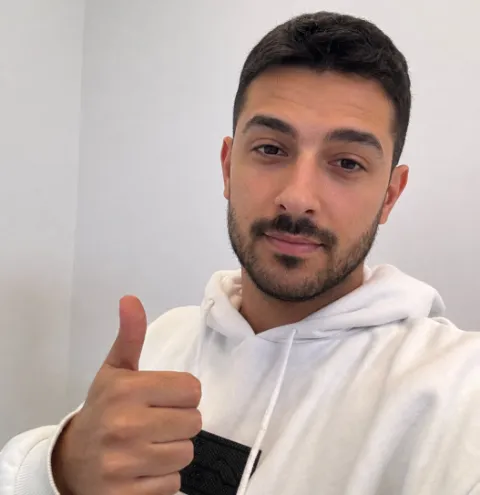
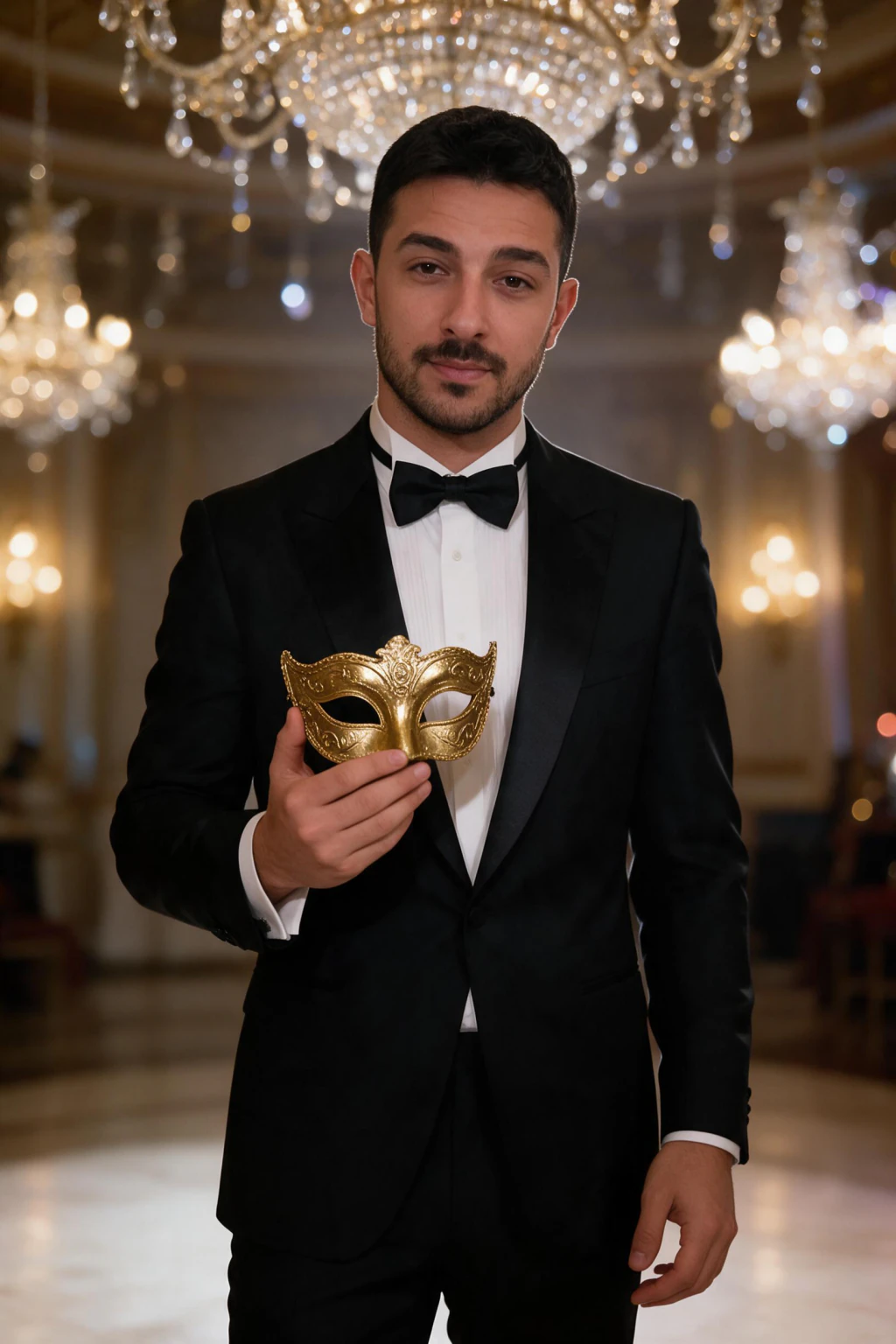
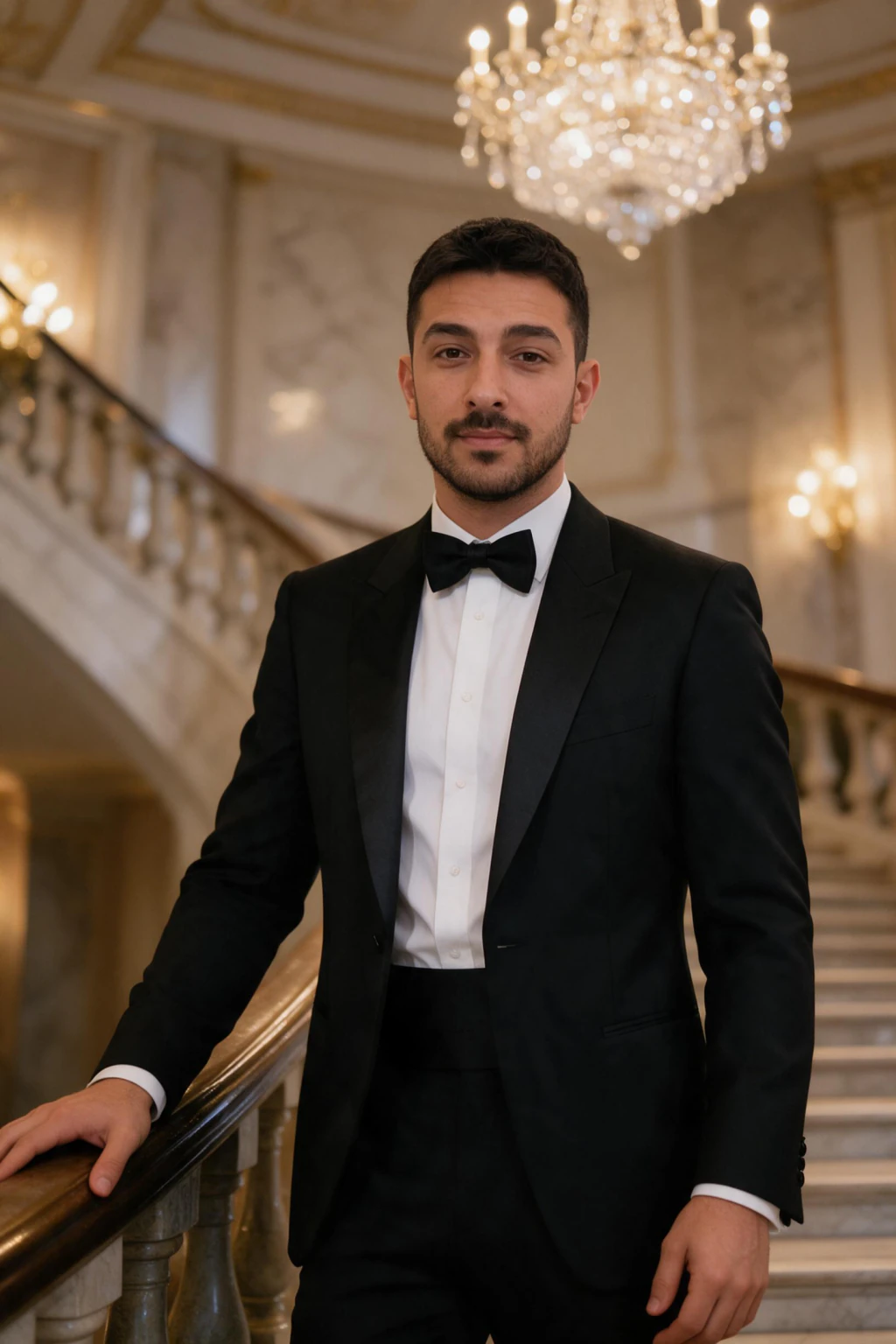
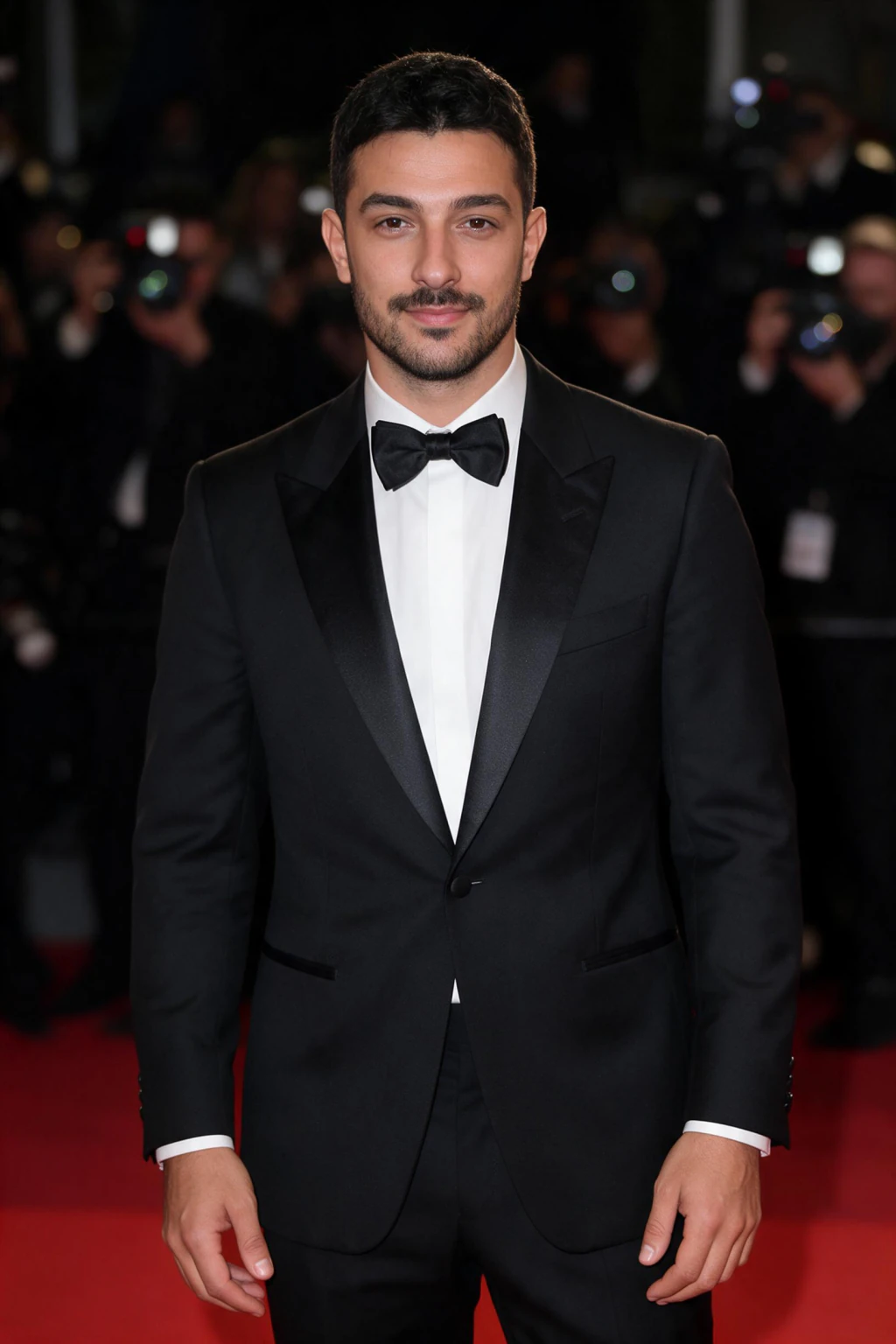
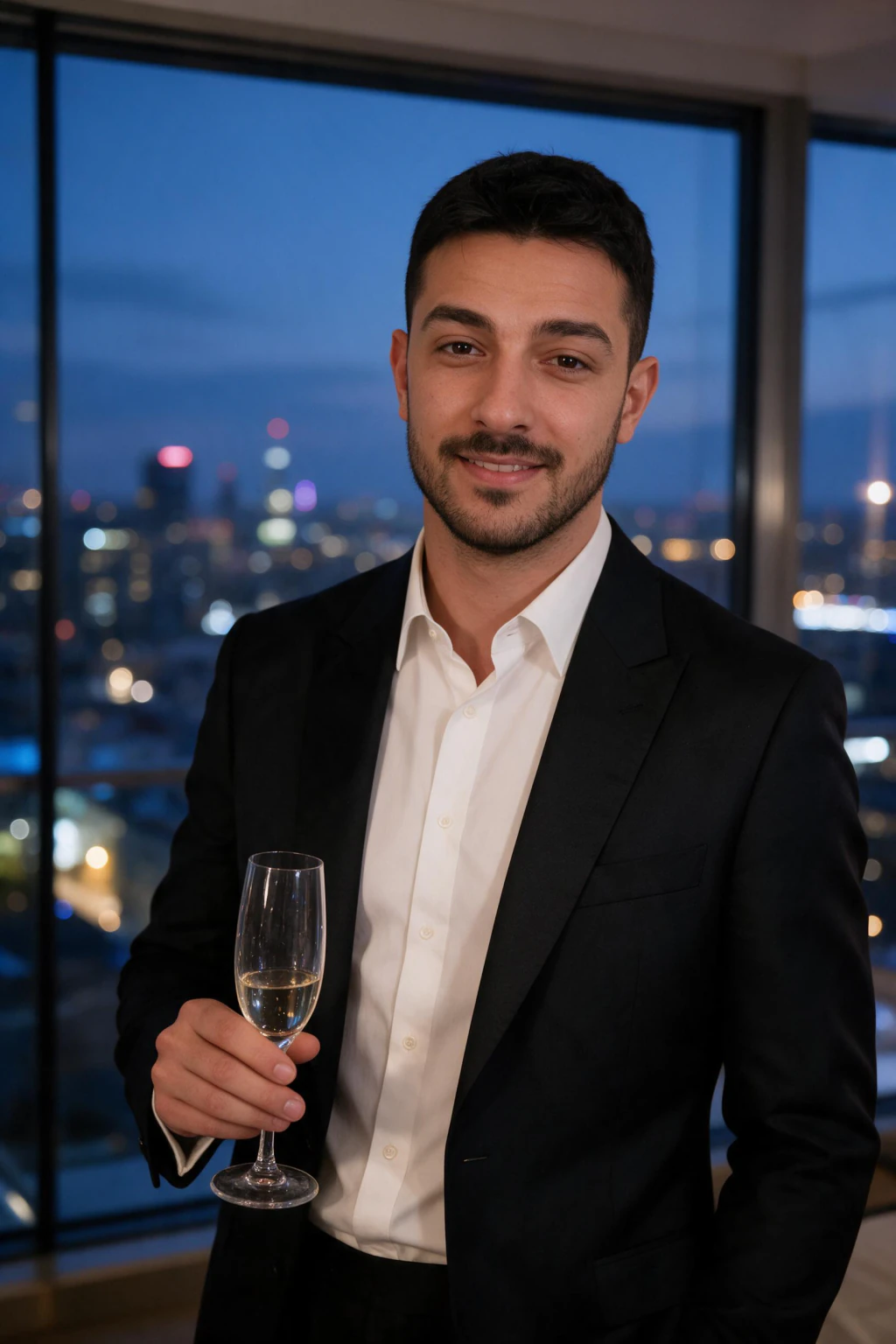
One phone selfie to 4 AI photos of the same person
| Method | What you get | Does your face show? | The catch |
|---|---|---|---|
| Stock photo license | A photo of a stranger in a mask and gown | No | It is not you, and you cannot post it as your own photo |
| Image moodboard | Reference images and inspiration | No | No path to an actual finished photo of you |
| Generic AI art scene generator | A masquerade ballroom scene with a crowd or an invented face | No | Built from a text prompt, not your real face |
| One-selfie generator | A new ballroom photo built around your own face | Yes | The mask has to be held, not worn, or your face disappears behind it |
Should you wear the mask or hold it in the photo?
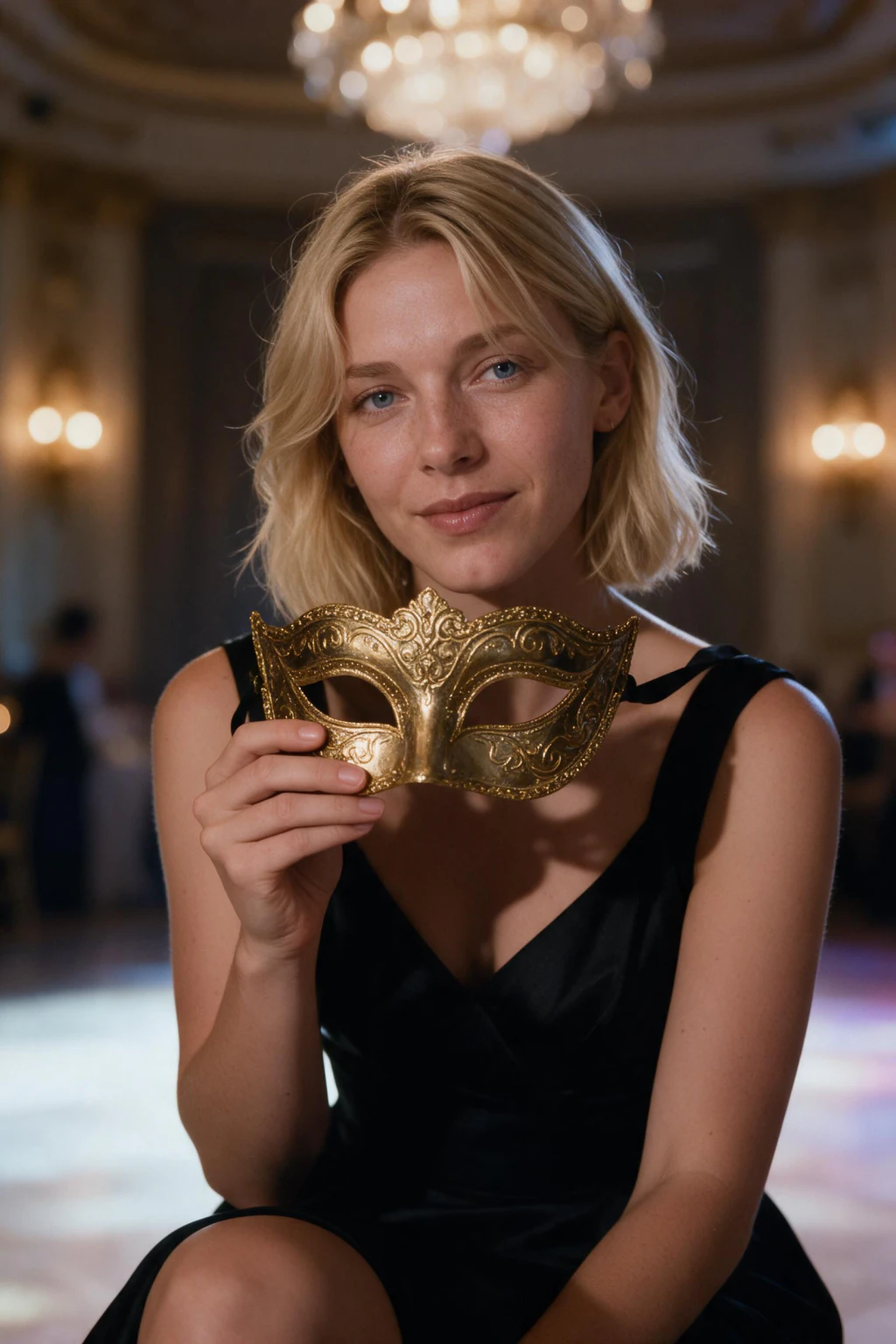
A worn masquerade mask covers the upper half of the face, which defeats the point of a photo that is meant to look like you.
Hold the mask at chest height instead, angled slightly toward the camera, with your face fully visible above it. It still reads as masquerade, the gold detail and feathers catch the chandelier light, and it is closer to how a real event photographer frames a portrait than a candid crowd shot.
This is the exact adjustment on the glamour pack's masquerade look: the mask sits in your hand, not over your eyes, so the finished masquerade ball photo generator result still looks recognizably like you.
What do you wear for a masquerade ball photo?
Black-tie is the standard: a floor-length gown or a fitted tuxedo, not costume-store fabric.
Deep colors read best against a chandelier ballroom, black, emerald, navy, or metallic gold and silver. Bold jewelry and a mask that matches your outfit's metal tone finish the look. Skip busy patterns, they compete with the mask for attention in a still photo.
What makes a black-tie ballroom photo look convincing?
A convincing ballroom photo depends on light and setting more than the mask itself.
Chandelier light overhead, gold sconces along the wall, a marble or wood floor with a visible reflection, and a grand staircase in the background separate a real-feeling ballroom shot from a plain backdrop with a mask added on top.
Posture carries the rest: a hand resting on a bannister, a three-quarter turn instead of a flat face-on stance, and a direct gaze at the camera instead of looking off frame.
Why do stock photos and generic AI art tools fall short?
A licensed stock photo shows someone else at a masquerade ball, not you, so it cannot answer the real request behind this search.
A generic AI art tool has the same problem from a different direction. It builds a masquerade scene from a text description, so it renders a crowd, a silhouette, or an invented face rather than yours. A one-selfie generator works the other way around, it starts from your real face and builds the ballroom, the outfit, and the mask around it.
When do people actually want this photo?
This look gets used three ways: a costume-party or New Year's Eve profile photo, a dramatic addition to a photo set, or a stand-in for an invitation you could not make it to.
None of those need an event booked. What they need is a photo that looks like it was taken at one, with your own face in it, which is the gap between a stock license and a photo you can post.
What does a real masquerade-style photoshoot cost, for comparison?
A styled portrait session with a photographer, wardrobe, and a ballroom or event-space rental runs in the same range as any studio photoshoot, about $200 to $500, with one to two weeks for the edited photos to come back.
MakeAiPhotos is $14.99 one time for about 30 photos, each back in about 2 minutes, with a 14-day money-back guarantee. It does not replace an actual masquerade ball or photographer.
What it will not give you: an actual evening out, dancing under a real chandelier, or a photo with anyone else in frame. It is one photo of you in the look, not a record of a night that happened.
Frequently Asked Questions
- How do you get a masquerade ball photo of yourself?
- Upload one clear selfie to MakeAiPhotos, pick the glamour pack's masquerade ballroom look, and hold the mask at chest height instead of wearing it. The photo generates in about 2 minutes with your face fully visible, chandelier light overhead, and the mask working as a prop rather than a cover.
- Do you need a real mask for the photo?
- No. The masquerade look is generated from your selfie, so no physical mask, costume, or event booking is required. The finished photo includes an ornate gold mask built into the scene, held in your hand rather than worn, which keeps your face visible in the result.
- Should you wear the mask or hold it for the photo?
- Hold it. A worn mask covers your eyes and upper face, which defeats the point of a photo meant to look like you. Holding the mask at chest height, angled toward the camera, keeps the masquerade detail in frame while your full face stays recognizable.
- What do you wear for a masquerade ball photo?
- Black-tie formal wear: a floor-length gown or a fitted tuxedo in a deep color like black, emerald, navy, or metallic gold or silver. Bold jewelry and a mask matching your outfit's metal tone complete the look. Skip busy patterns, they compete with the mask in a still photo.
- Can you get this photo without attending an actual masquerade ball?
- Yes. MakeAiPhotos builds the chandelier ballroom, black-tie outfit, and masquerade mask around your uploaded selfie, so no ticket, costume rental, or event is needed. You see the finished photo before paying anything, and each one is generated in about 2 minutes.
- How long does an AI masquerade ball photo take?
- About 2 minutes per photo, from one selfie, with no model training involved. $14.99 one time covers about 300 credits, roughly 30 finished photos, so you can generate the masquerade look plus other glamour ballroom looks from the same selfie, backed by a 14-day money-back guarantee.