How many pics do you need for Bumble? The direct answer
6 photos is the count you need for Bumble. The app makes your profile visible on 1 photo and caps you at 6, so the technical answer is one and the practical answer is six. Every slot you leave empty is reach you gave away.
Bumble works differently from Tinder and Hinge in one way that changes the photo math: on matches with men, women send the first message. Your photos are not only earning the swipe, they are handing the other person something to open with. A 6-photo profile offers six openers. A 2-photo profile offers two.
Hinge's published photo research shows what weak sets cost across dating apps: selfies cut likes by about 40 percent and bathroom selfies by about 90 percent. Bumble viewers apply the same judgment, so every slot you fill with a real scene instead of a selfie compounds.
If your camera roll has one good selfie and five gaps, that is a solved problem in 2026. Upload the selfie to the AI dating photo generator, and $14.99 buys about 15 new photos of yourself to fill the missing slots, about 2 minutes each.
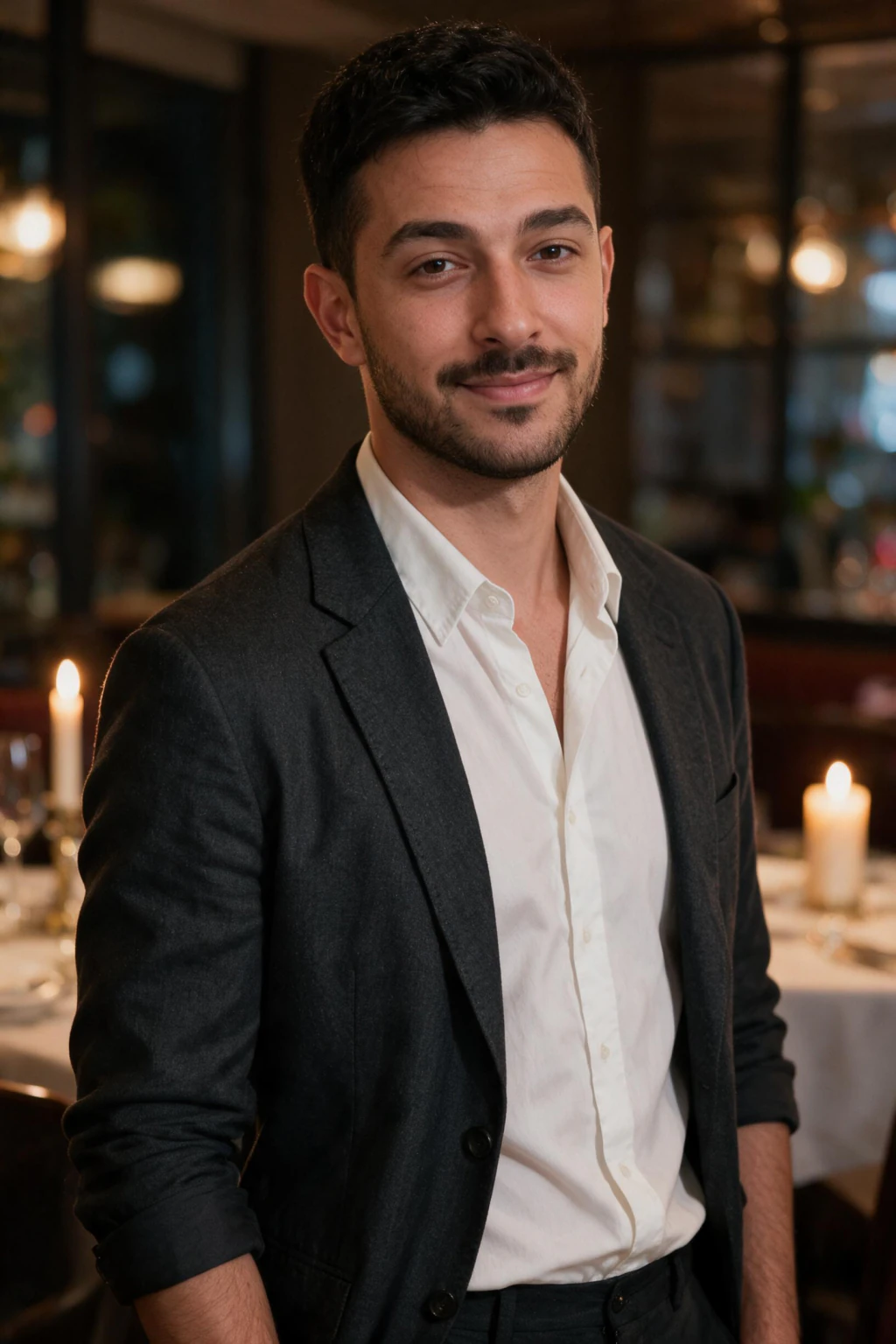
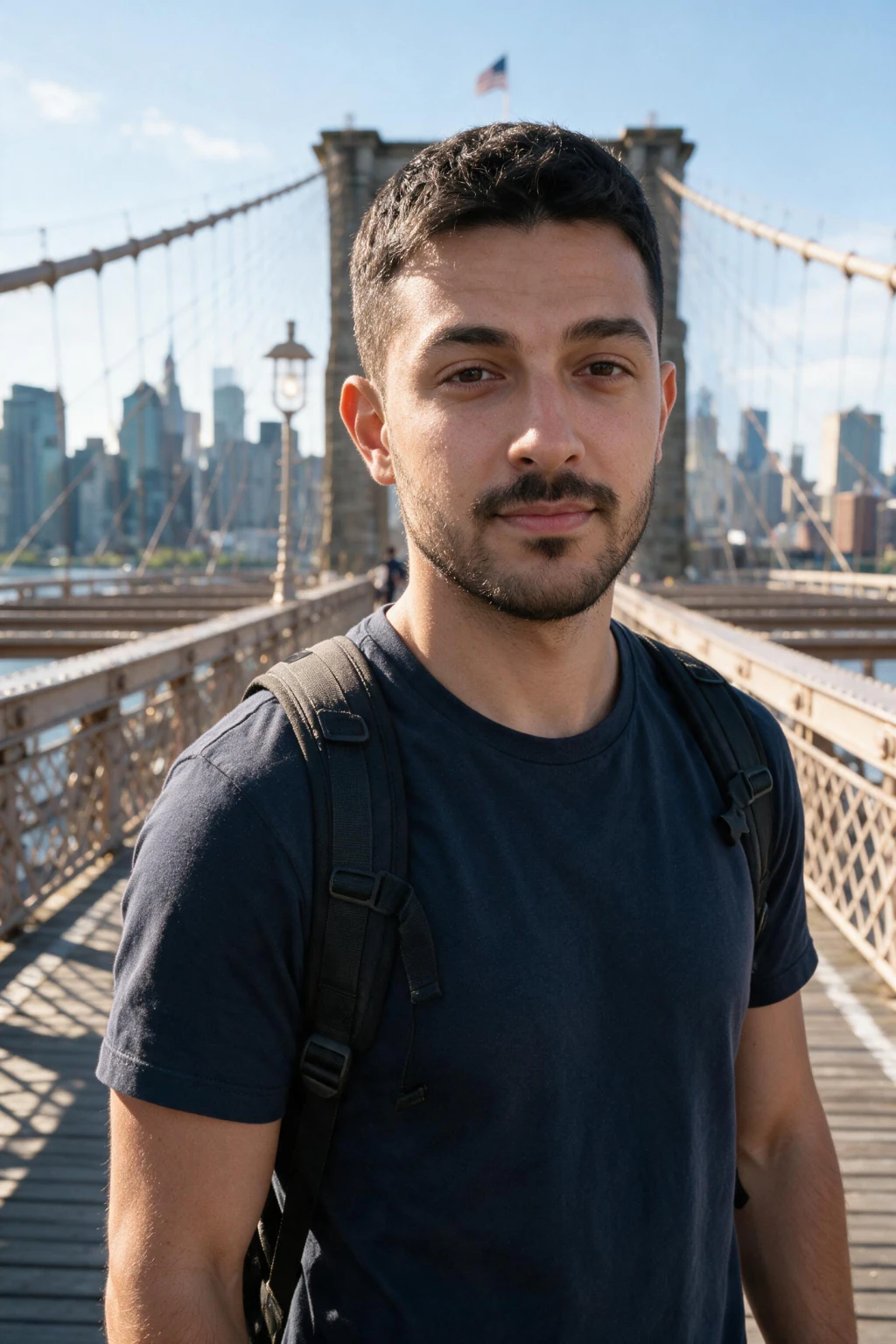
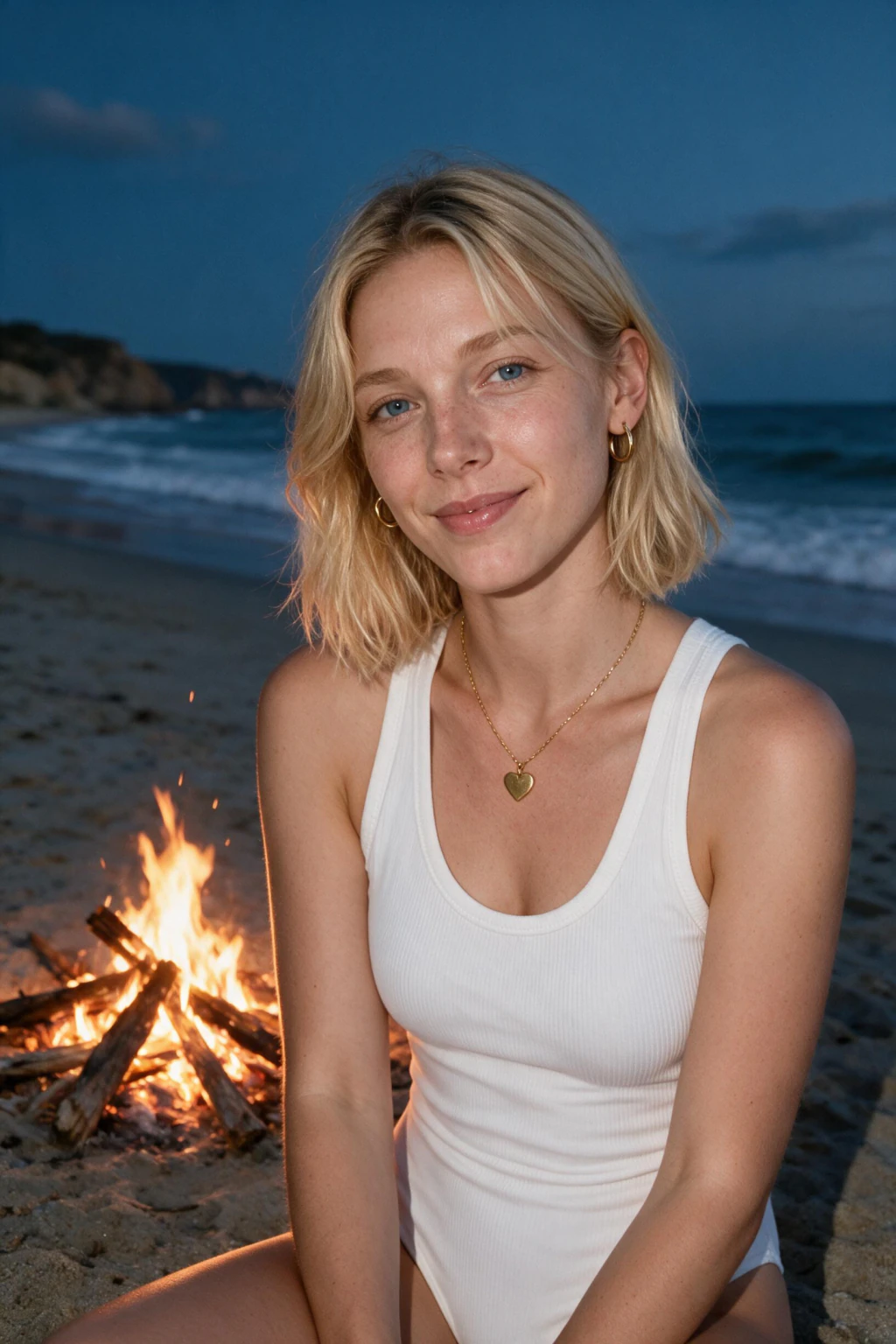
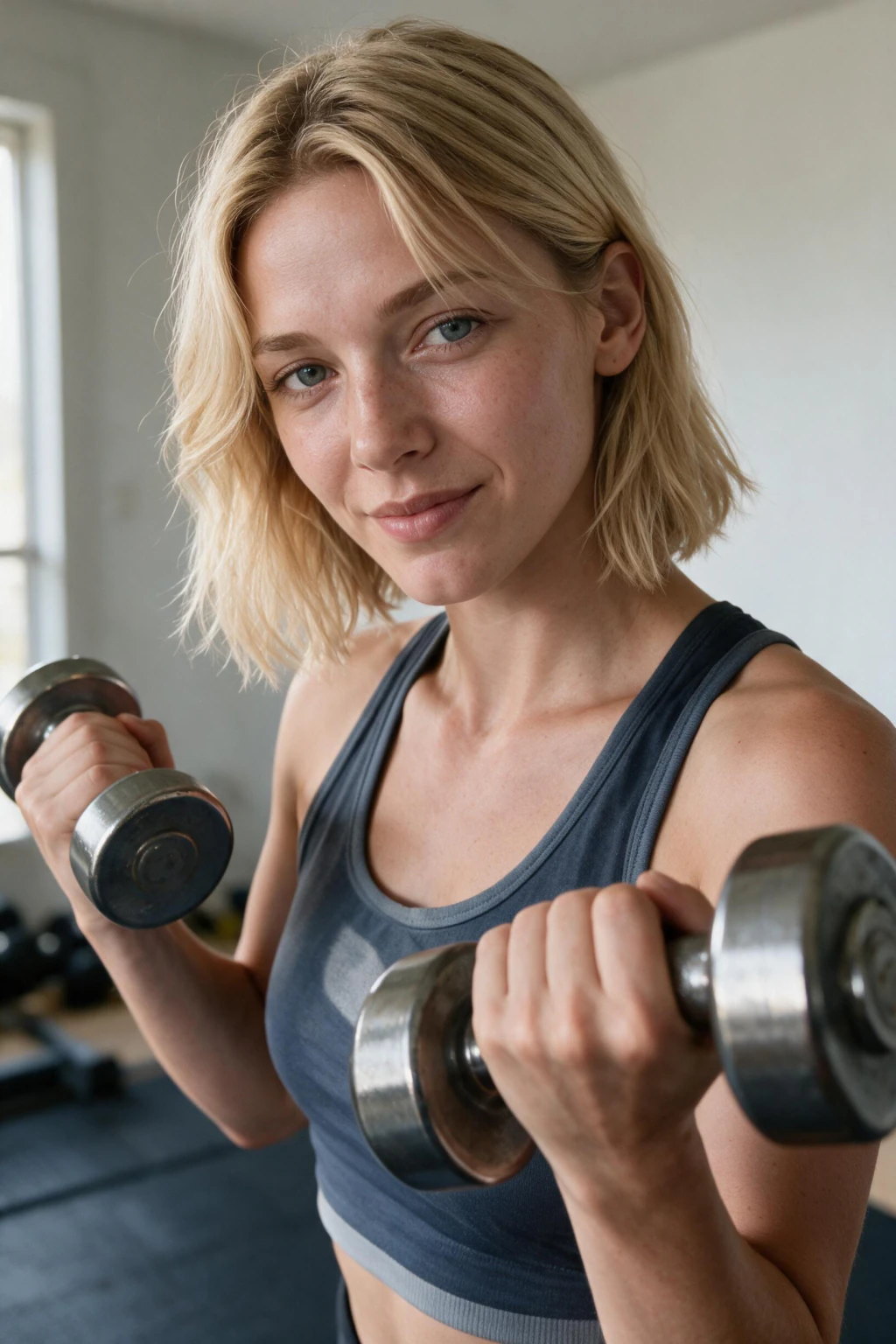
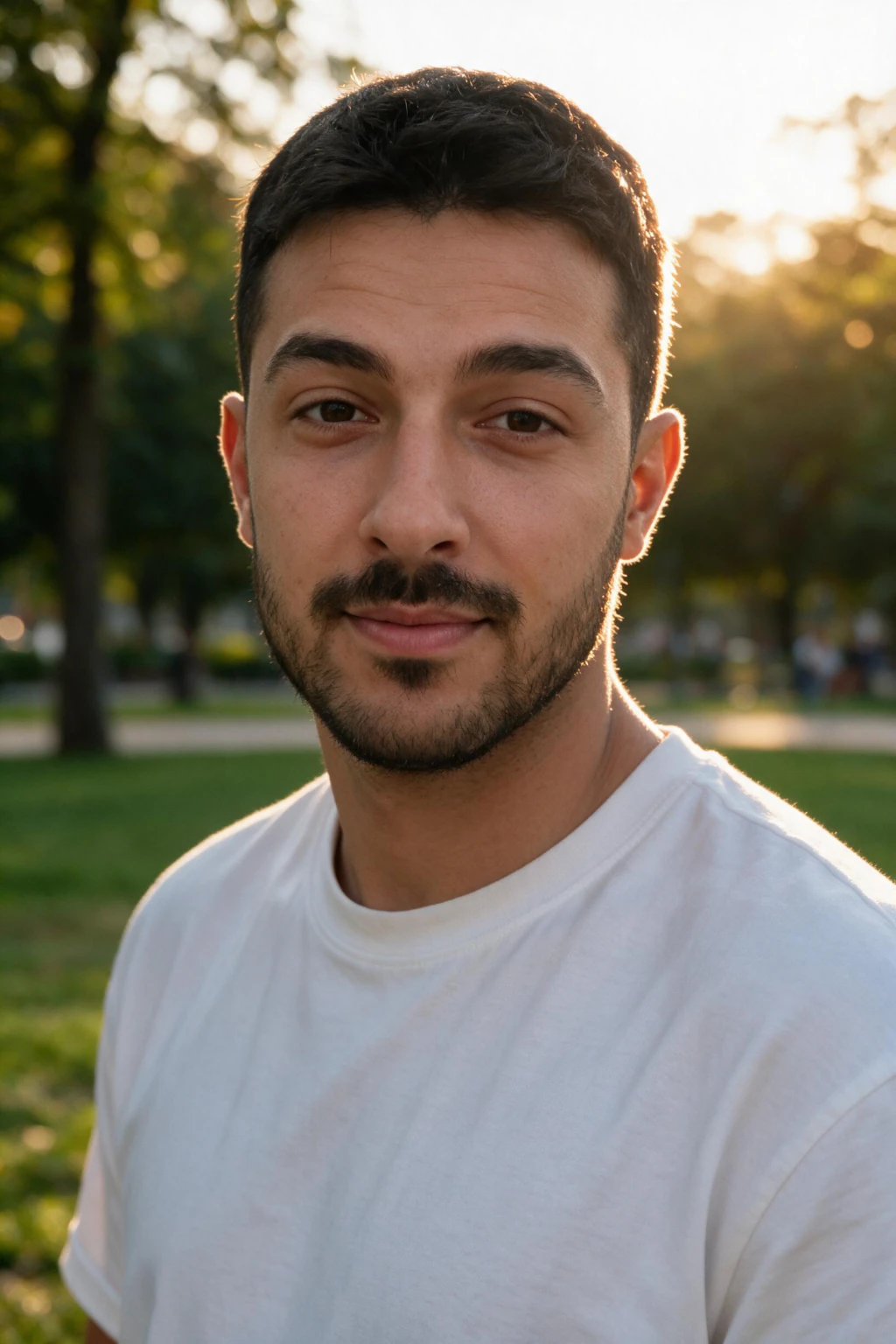
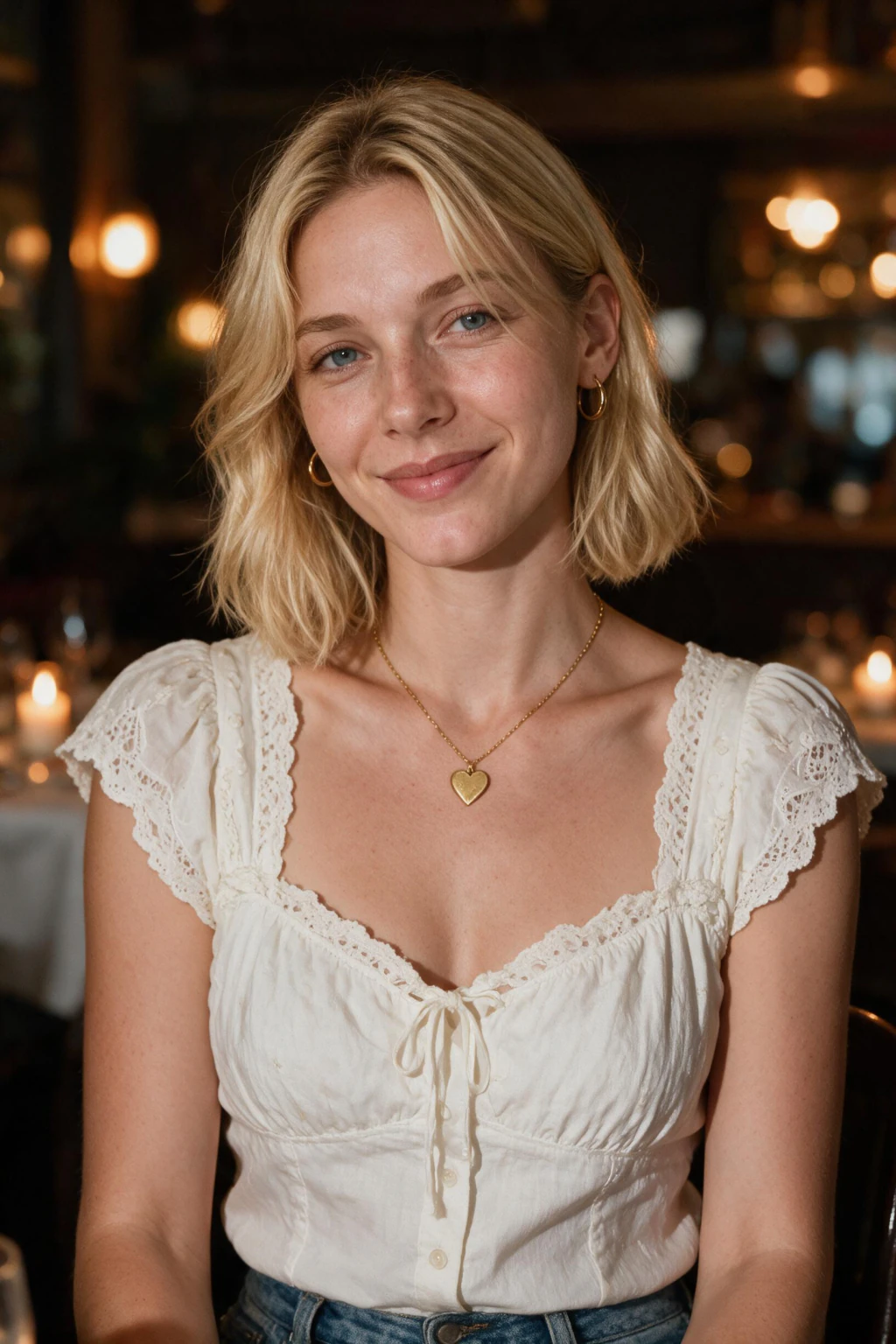
Bumble photo count cheat sheet: 1 photo vs 6
Here is how each photo count actually performs on Bumble, from the technical minimum to the full grid.
| Photo count | How your profile reads | What it costs you |
|---|---|---|
| 1 photo | Technically live, practically invisible | Reads as a throwaway account, near-zero matches |
| 2 to 3 photos | Real but guarded | No full body or lifestyle proof, fewer openers for matches |
| 4 to 5 photos | Solid profile with a gap | Missing slot is usually style or candid, the easy wins |
| 6 photos | Complete: face, body, life, style | Nothing, this is the target |
Is 5 great photos better than 6 on Bumble?
Six solid photos beat five great ones on Bumble. The empty sixth slot is a visible gap in the grid, and on an app where your match writes first, it is also one less thing for them to open with.
The rule that keeps six from becoming padding: never fill the last slot with a near-duplicate headshot. The sixth photo has to add a scene or a signal the other five do not already carry, whether that is a hobby, a trip, or the way you dress on a Saturday.
If that photo does not exist in your camera roll, generate it from one selfie at the MakeAiPhotos generator rather than leaving the slot empty or repeating yourself.
What goes in each of the 6 Bumble photo slots
Slot 1, clear face photo: chest up, daylight, real smile, both eyes visible. Bumble's own guidance asks for an unobstructed face in your first photo, no sunglasses and no group shots, and viewers enforce the same rule with their thumbs.
Slot 2, full body: standing, head to feet, in a real place. Skipping it reads as evasive on every dating app, and on Bumble it also removes the easiest honest signal your profile has.
Slot 3, hobby or interest shot: you doing the thing your bio claims you do. Trail, kitchen, climbing wall, courtside, easel. On Bumble this is opener fuel: 'where was that hike?' starts more conversations than any prompt.
Slot 4, social shot: one photo with 1 or 2 friends, you unmistakably the subject. It proves a social life without turning your grid into a puzzle. One group photo per profile, never in slot 1.
Slot 5, style or outfit shot: dressed the way you would show up to a good first date. It answers a question every matcher silently asks and most profiles ignore.
Slot 6, candid: mid-laugh, mid-conversation, caught rather than posed. Warmth converts on Bumble, where the whole design pushes toward actual conversation over endless swiping.
What is the best photo size for Bumble?
Upload portrait-orientation photos in a 4:5 ratio at least 1080 pixels wide. That is the shape that renders sharp across dating apps, and Bumble crops to a portrait frame, so landscape uploads lose heads and feet on the way in.
Export from the original file rather than from a screenshot. A screenshot of a photo is already recompressed once, and it reads soft on a retina screen next to a photo that came straight off the camera.
Why 1 photo is technically enough and practically fatal
Bumble will publish your profile with a single photo, and that fact misleads people every day. A one-photo profile on Bumble reads the way a one-sentence resume reads to a recruiter: technically submitted, instantly discounted.
Dating app ranking systems deprioritize incomplete profiles, and a 1-photo grid is the clearest incompleteness signal you can send. You are not only losing swipes at the decision moment, you are shown to fewer people in the first place.
The mechanics are specific to Bumble. Because women initiate on matches with men, a woman deciding whether to swipe right on a man is also deciding whether she has material to write a first message with. One photo gives her nothing to work with, so the rational move is to pass. The same logic applies in reverse: a thin profile gives men nothing to respond to when the first message arrives.
Fill all 6 slots even if your last two photos are merely good rather than great. On Bumble specifically, a complete grid signals that you are on the app on purpose, which is the baseline filter most swipers apply before anything else.
Bumble photo rules you cannot ignore in 2026
Bumble moderates photos harder than Tinder or Hinge, and photos that break the rules get rejected at upload or flagged later. Build your set inside these lines from the start.
Your face must be visible and yours
First photo needs a clear, unobstructed face. No sunglasses covering your eyes, no memes, no celebrity pictures, no photos where you are absent.
Bumble rejects profiles that hide the person, and viewers reject them faster than moderation does.
No watermarks, no contact info, no screenshots
Photos with watermarks, usernames, phone numbers, or visible app UI get removed.
Bumble treats overlay text as spam signals. Clean, uncropped photographs pass moderation and read as higher effort.
No kids alone, no weapons
Photos of children by themselves and photos featuring firearms are banned outright.
These are hard policy lines. One flagged photo can freeze the whole profile while support reviews it.
Verification is the trust multiplier
Complete Bumble's photo verification, a guided selfie check that earns the blue badge.
Bumble popularized photo verification, and its users look for the badge. Verified profiles clear the catfish doubt that stalls borderline swipes.
Best Bumble photos for guys
For guys on Bumble the assignment is concrete: give her something to message you about. Every photo should either prove you are real or hand her an opener. The spread: clear face lead with a relaxed real smile, full body outdoors, one hobby shot with obvious effort behind it, one social shot, one sharp outfit shot, one candid.
Avoid the Bumble-specific failure: six technically fine photos with nothing to say about any of them. A gym mirror selfie, a car selfie, and three near-identical headshots give a woman who wants to send a first message zero material, so she swipes on someone who gave her some.
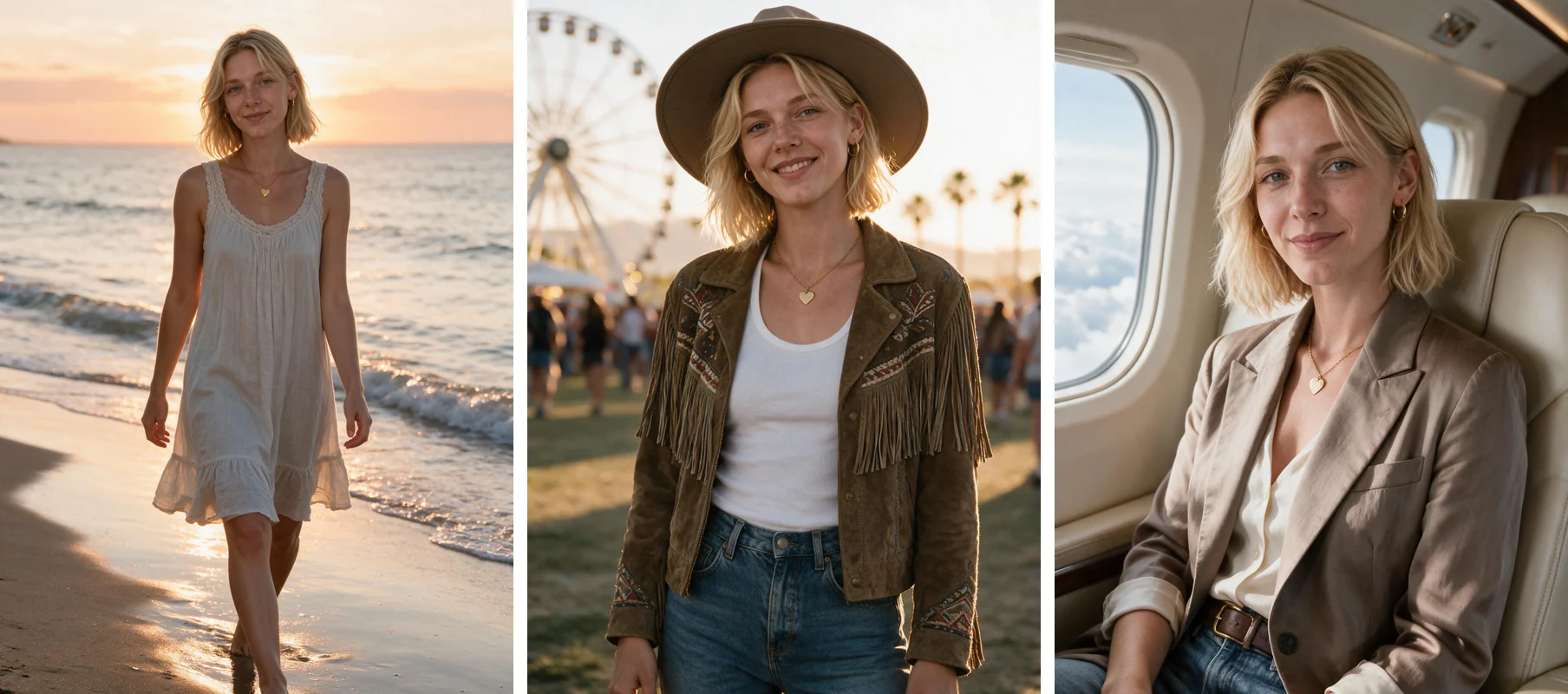
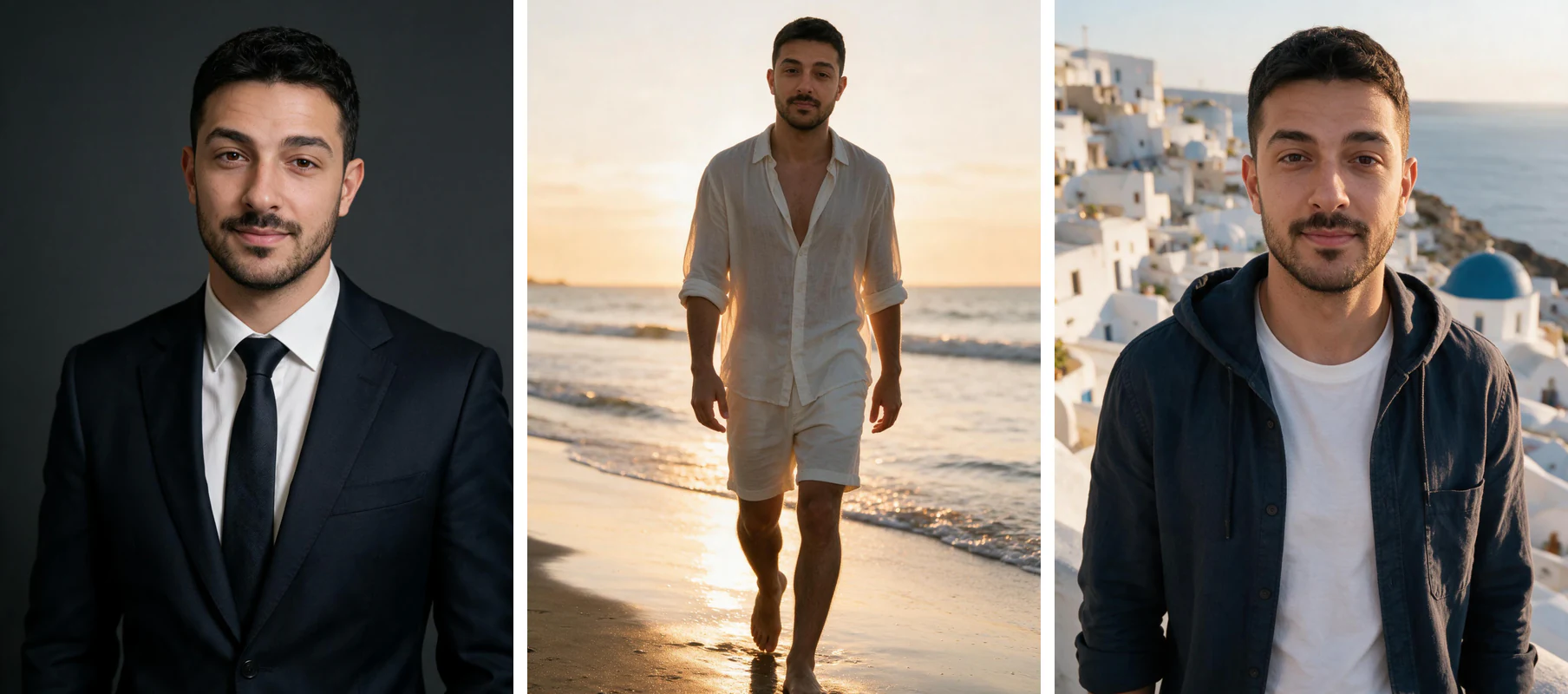
If your camera roll cannot produce six photos with conversation hooks, generate them. One selfie into MakeAiPhotos, a lifestyle pack plus a traveler or gym pack, and you get hobby, travel, and style shots that look like a photographer followed you around. Keep your real selfie in slot 1 and mix 4 AI photos behind it.
Best Bumble photos for girls
For girls on Bumble the set should filter as much as it attracts, because you are the one starting conversations with your matches. Six photos that show your actual face, actual build, and actual weekends produce matches worth messaging first. The spread: face lead with a real smile, full body in a natural location, one interest shot, one social shot, one outfit shot, one candid laugh.
Two Bumble-specific rules. First, skip filters completely: filtered photos read as catfish in 2026 and Bumble's crowd skews toward people burned by exactly that. Second, avoid the all-formal grid: six photos in event makeup and dresses set a Tuesday-coffee expectation gap that first dates pay for.
The one-selfie workflow covers the gaps here too: a summer pack and a lifestyle pack at the MakeAiPhotos generator produce natural-light, real-location photos of you that fill the full-body, interest, and candid slots while your own selfies hold the lead.
How to fill all 6 Bumble slots when you only have one good selfie
Step 1, shoot one clean input selfie in soft window light: rear camera, no beauty mode, face front and fully visible. Do not use an old favorite photo, use a fresh one that looks like you this month.
Step 2, upload it at the MakeAiPhotos generator and pick 2 packs against your empty slots. Lifestyle covers hobby and candid, summer or traveler covers full body and outdoor, business casual covers the style slot. About $14.99 total.
Step 3, generate. Each photo comes back in about 2 minutes with no training wait, and $14.99 covers about 10 of them. These are new photographs in new settings, not edited versions of your selfie.
Step 4, pick 4 that pass the realism bar: skin texture visible, lighting that matches the location, a face your best friend would recognize without being told. Vary the outfit and setting across your picks so the grid reads as months of life, not one afternoon.
Step 5, assemble the grid: face lead first, full body second, hobby third, then social, candid, style. Keep 1 or 2 real selfies in the set, run photo verification for the badge, and publish all 6.
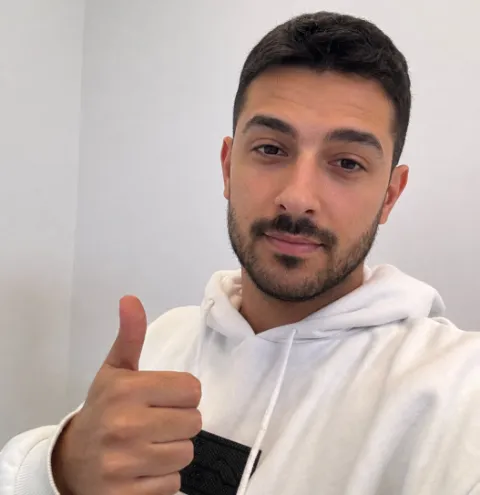
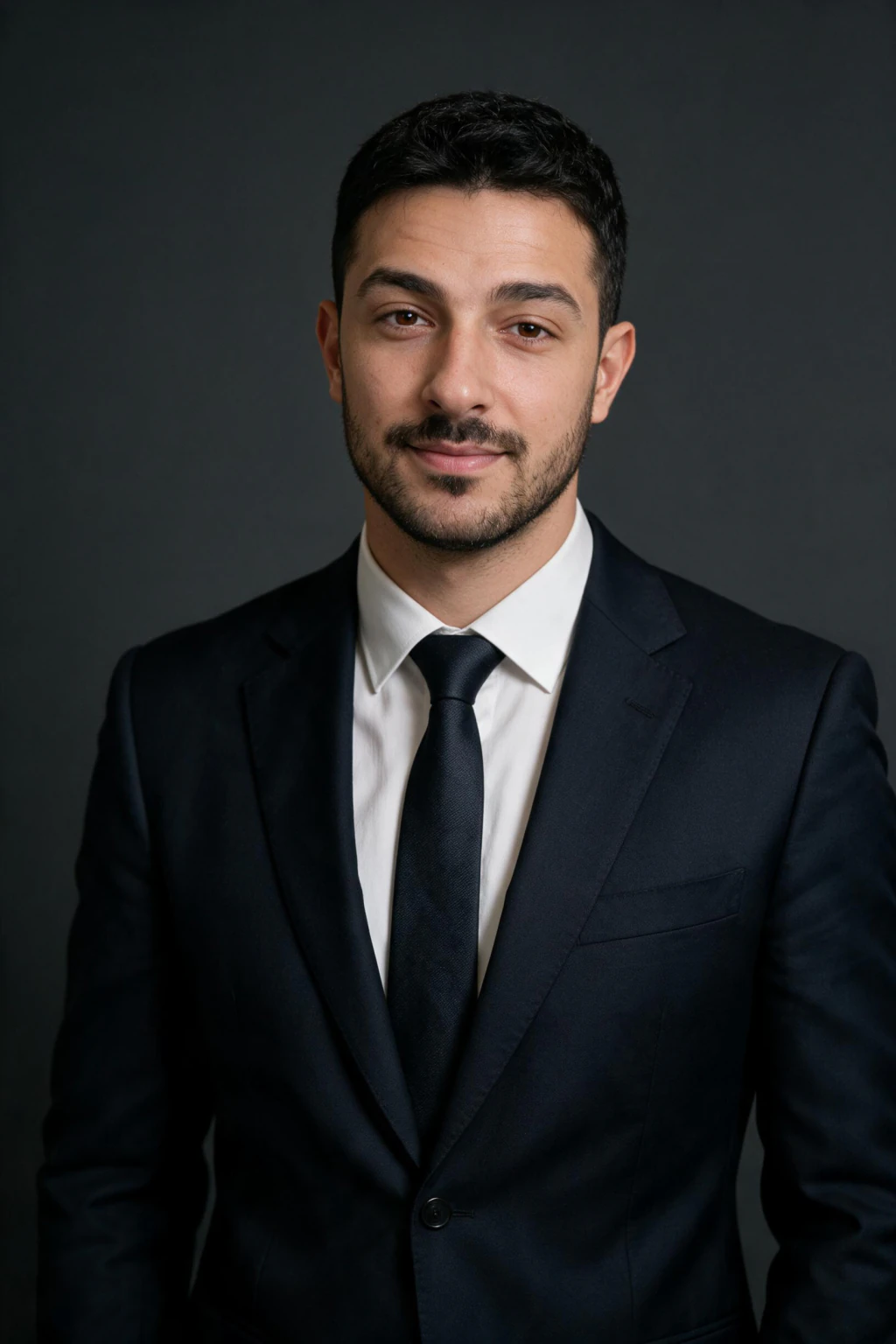
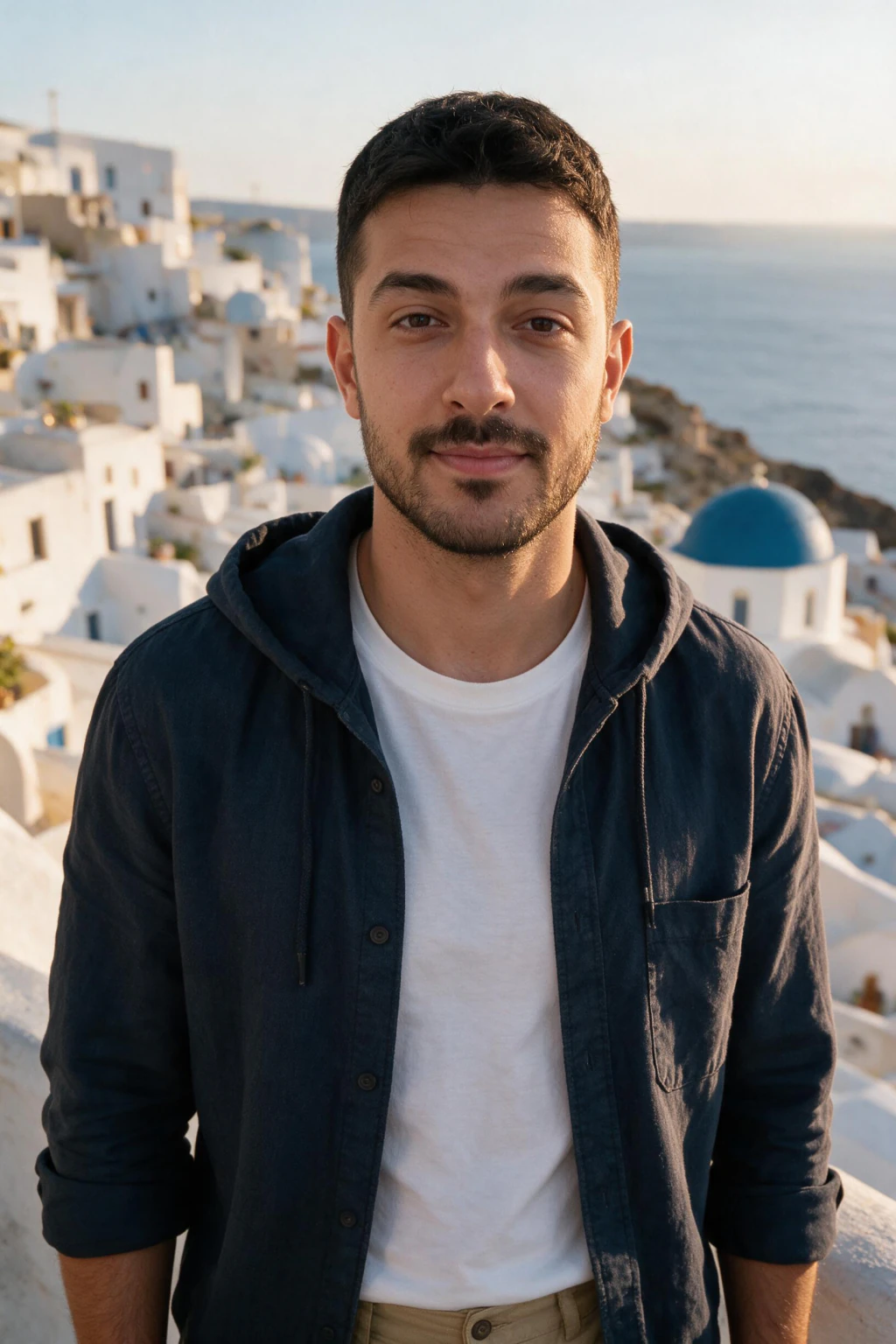
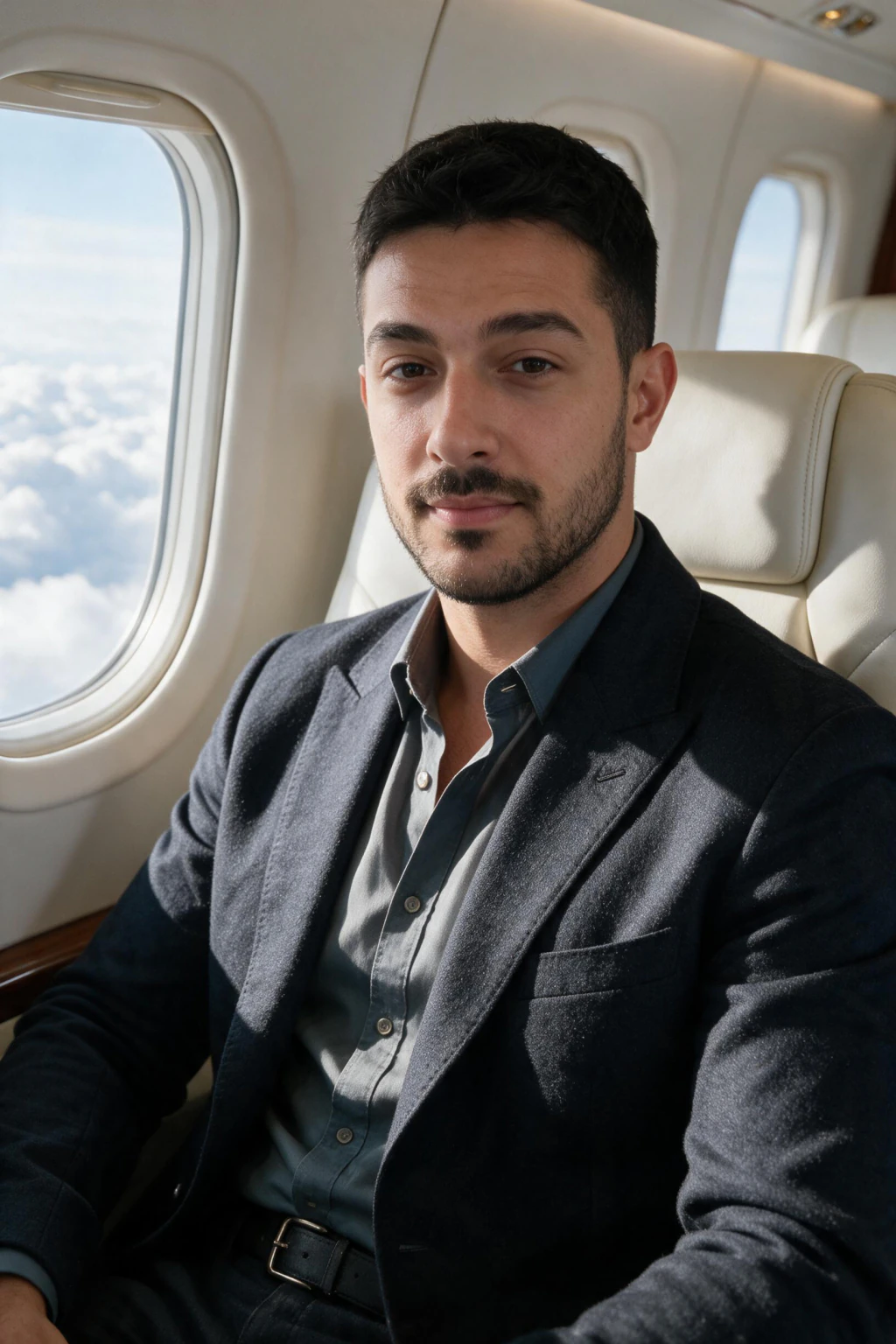
Can you use AI photos on Bumble in 2026?
Yes, inside the same line the other apps draw: the photos must look like you and must not misrepresent you. Bumble's rules target deception and impersonation, not the tool that made the image. AI photos generated from your own selfies, showing your real face in plausible settings, sit inside the line.
Bumble's photo verification is the stress test, and identity-trained AI photos pass it for the same reason they pass on Tinder: the generator preserves your actual facial geometry, so the live selfie check matches. What fails is the generic AI portrait of someone who vaguely resembles you, and what gets reported is the photo set that promises a different person than the one who shows up.
Keep the mix honest: 4 AI photos, 1 or 2 real ones, all recognizable as the same person on the same year. Done that way, AI photos on Bumble read as good photography, because functionally that is what they are.
Common Bumble photo mistakes
Mistake 1, publishing with 1 or 2 photos because Bumble allows it. Allowed and effective are different things: thin profiles get buried by the swipe reflex. Fix: fill all 6 slots before you start swiping.
Mistake 2, no conversation hooks. Six clean headshots give your matches nothing to message about, which on Bumble means the match quietly expires. Fix: hobby, travel, and social slots exist to start conversations.
Mistake 3, breaking upload rules: watermarks, sunglasses in slot 1, group shot leads. These cost you at moderation or at the swipe. Fix: clean solo face photo first, rules-safe photos throughout.
Mistake 4, skipping photo verification. On Bumble the badge is expected, and its absence reads as a reason to pass. Fix: run the selfie check before your first session.
Mistake 5, six photos from one day. Same outfit and light across the grid reads as staged or borrowed. Fix: vary setting and season, or let an AI pack generate that variety from one selfie.
Frequently Asked Questions
- What is the maximum number of photos on Bumble?
- Bumble caps profiles at 6 photos in 2026. There is no way to add a seventh, and unlike Tinder's 9 slots, the right move on Bumble is to fill every one: a complete 6-photo grid signals real intent and gives matches material for the first message.
- How many photos do you need to start on Bumble?
- One photo is the minimum Bumble requires to make your profile visible. Treat that as a technicality: one-photo profiles read as throwaway accounts and get almost no matches. Fill all 6 slots before you start swiping, even if the last two photos are only solid rather than spectacular.
- Is 3 photos enough for Bumble?
- Three photos makes you look real but leaves the profile thin. You can cover face and full body, but not hobbies, style, or social proof, which is exactly the material your matches need for a first message. Add three more photos, generated from a selfie if needed, to reach the full 6.
- What should your first Bumble photo be?
- A solo, chest-up photo in daylight with your face clearly visible and a real smile. No sunglasses, no group, no hats pulled low: Bumble's guidelines ask for an unobstructed face in the first photo, and viewers swipe left on anything that makes them work to find you.
- Does Bumble require a face photo?
- Yes. Bumble requires your photos to actually show you, and the first photo needs a clear, unobstructed face. Photos that hide your face behind sunglasses, masks, or heavy edits can be rejected at upload, and profiles without a visible face get reported and removed.
- Can you use AI photos on Bumble?
- Yes, if they look like you and do not misrepresent your appearance. Bumble bans deception, not AI photos of your own face. Photos generated from your own selfies keep your facial geometry, pass photo verification, and work best mixed with 1 or 2 real recent selfies.
- Does Bumble photo verification work with AI photos?
- Yes for AI photos built from your own selfie. Verification compares a guided live selfie to your profile photos, and identity-trained AI photos preserve your real facial geometry, so the match succeeds. Generic AI portraits of a lookalike are what fail verification.
- Do you have to use all 6 photo slots on Bumble?
- No, Bumble only requires 1 photo, unlike Hinge where 6 is mandatory. Fill all 6 anyway: women send the first message on Bumble, so every empty slot is one less thing a match can open a conversation with.
- How do you get 6 good photos for Bumble fast?
- Upload one clean selfie to MakeAiPhotos at /generate, pick a lifestyle pack and a summer or traveler pack, and generate about 15 new photos of yourself for $14.99, roughly 2 minutes each. Choose 4 that cover full body, hobby, style, and candid, then add 1 or 2 real selfies.
- Is 5 photos enough for Bumble?
- Yes, five clears the thin-profile problem and reads as a real account. The empty sixth slot is still a visible gap in the grid and one less opener for the match who messages first. Fill it with a style or candid shot, generated from a selfie if your camera roll cannot supply one.
- What size should Bumble photos be?
- Portrait orientation in a 4:5 ratio, at least 1080 pixels wide. Bumble crops to a portrait frame, so landscape uploads lose heads and feet. Export from the original file rather than a screenshot, because a recompressed screenshot reads soft next to a photo straight off the camera.