What makes a gym photo actually look good?
Three things separate a sharp gym photo from a flat one: the angle, the lighting, and the pose. Get those right and almost any phone camera works.
Shoot with the camera at chest height, not from below, and turn so light hits one side of your body more than the other. That contrast creates depth and shows muscle definition.
Then engage the muscle you want to highlight. A relaxed arm and a tensed arm look like two different people in a photo, so flex the target muscle before the shutter fires.
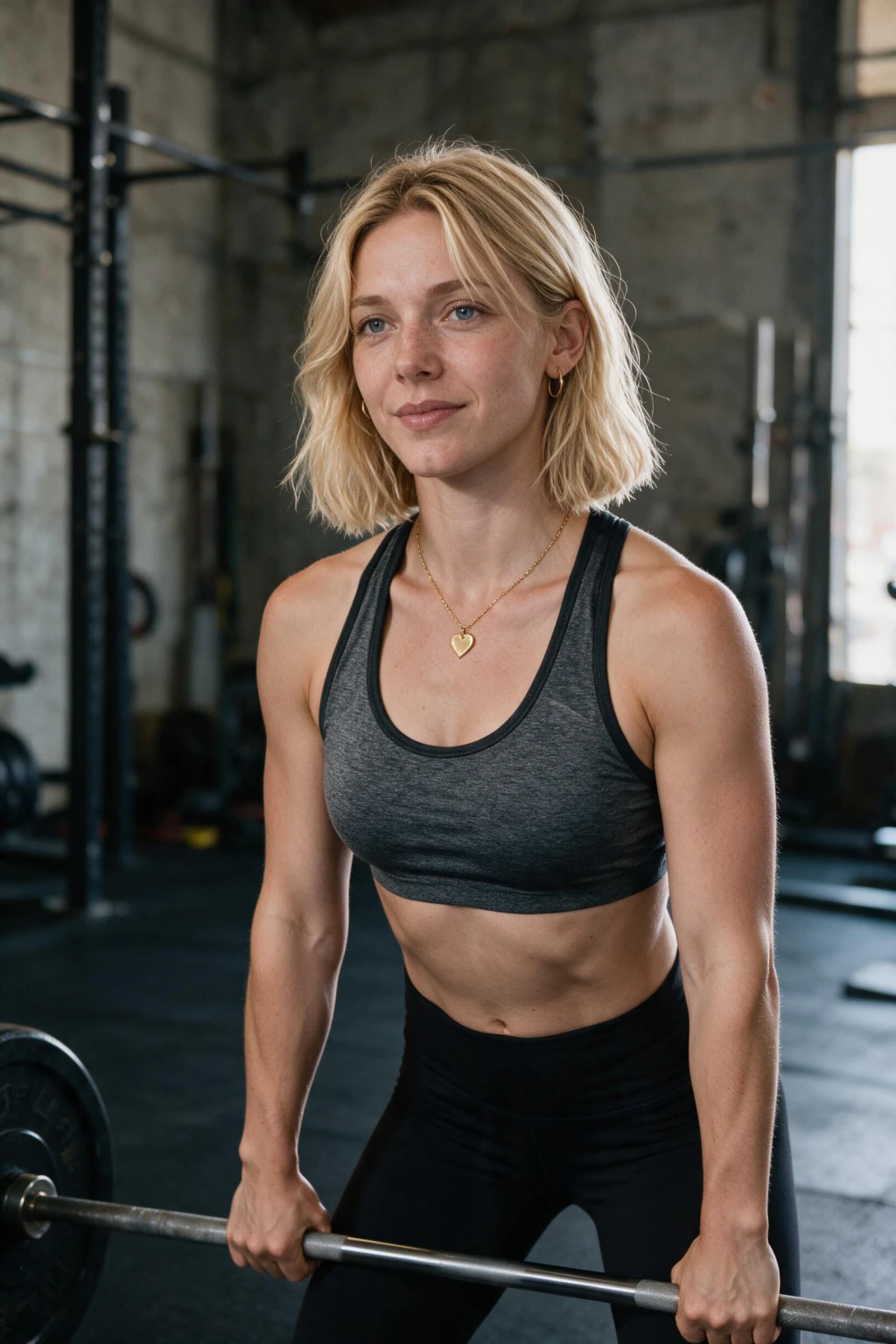
One phone selfie to 5 AI photos of the same person
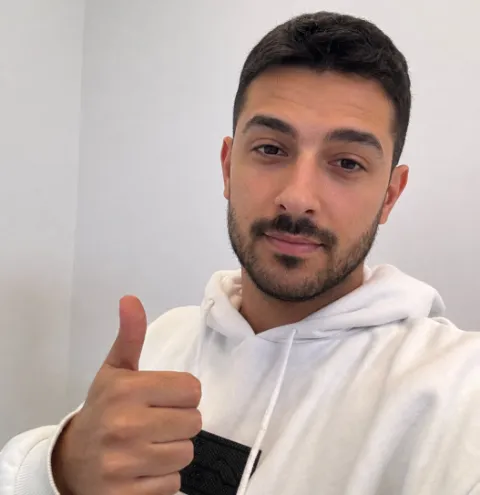
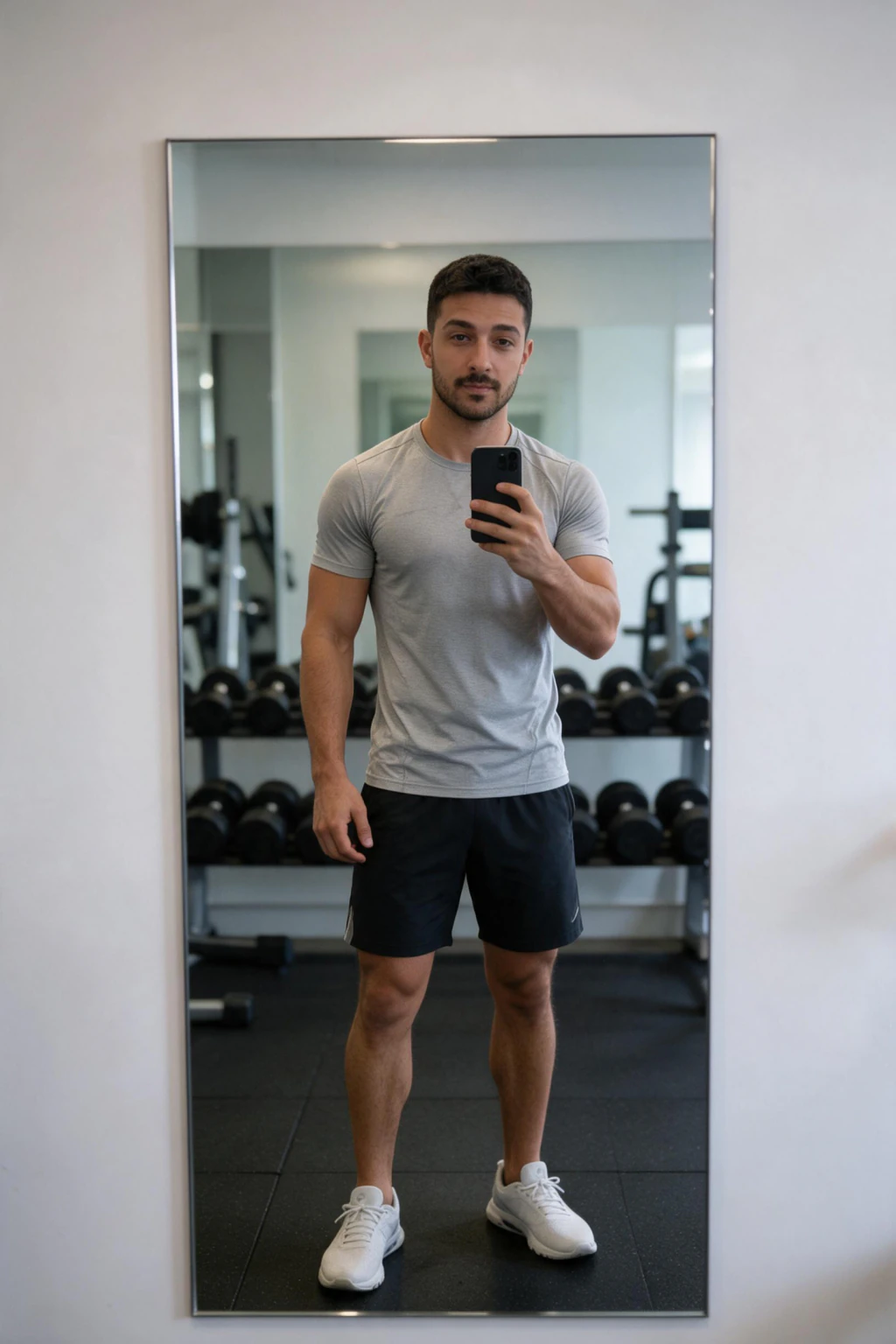
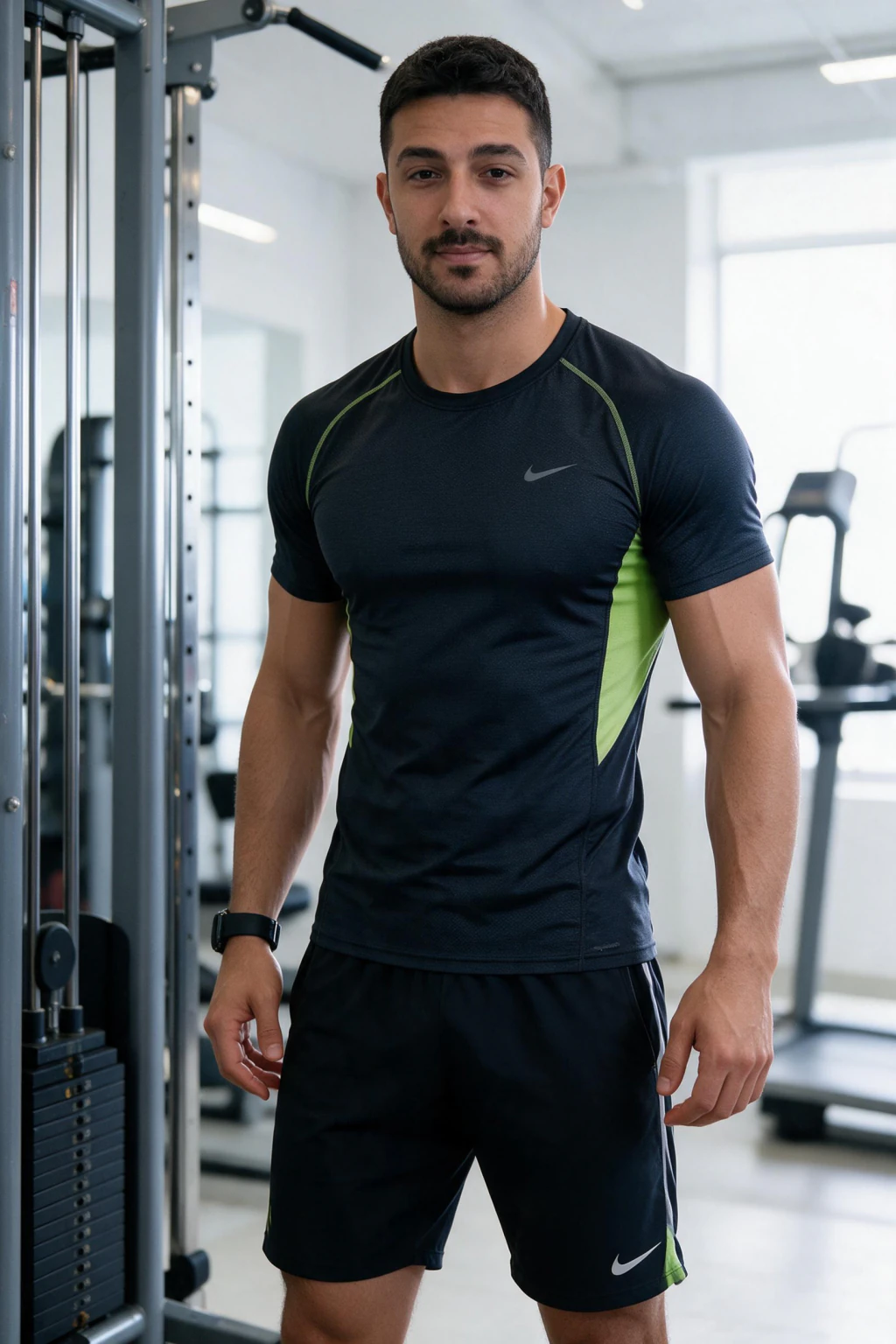
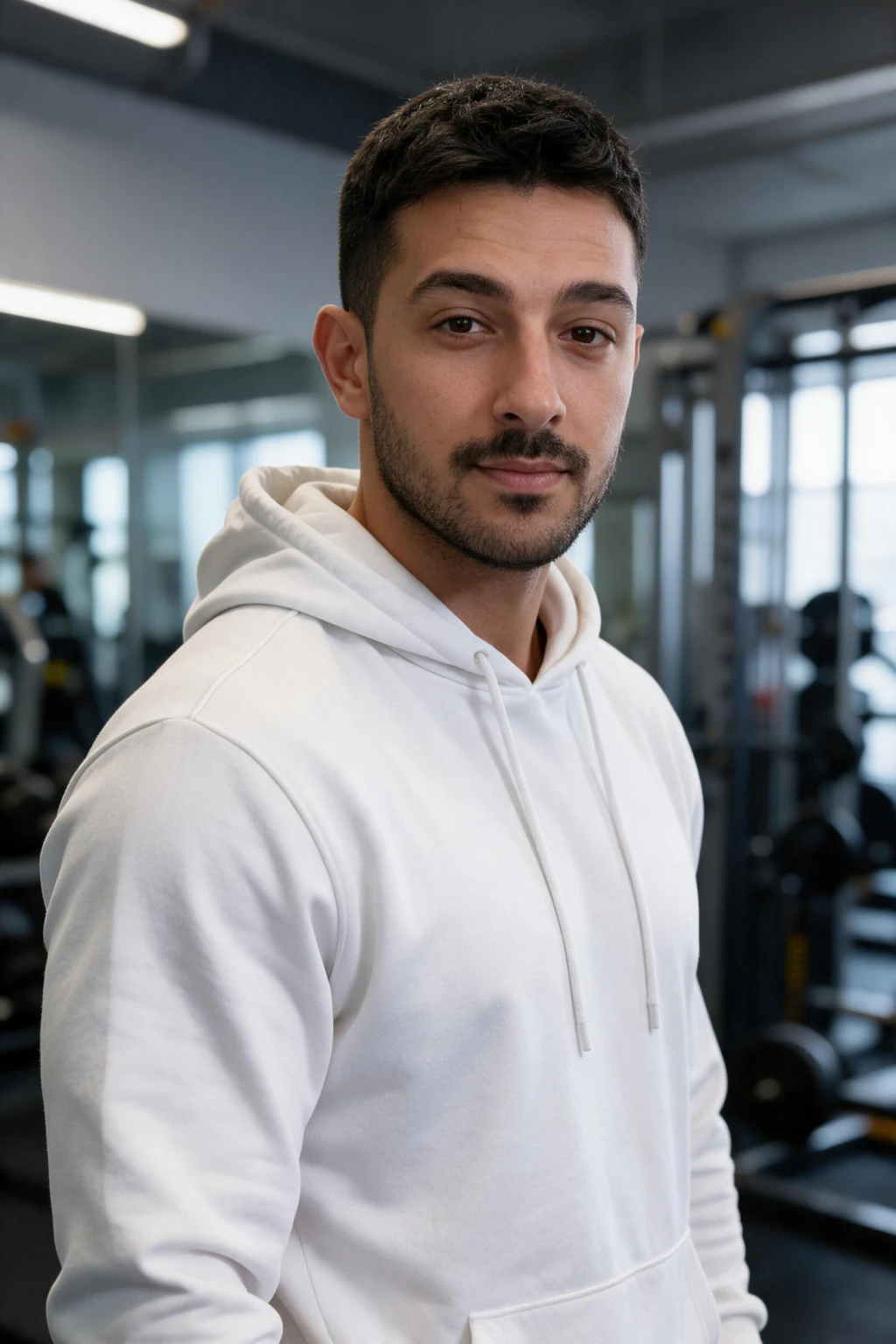
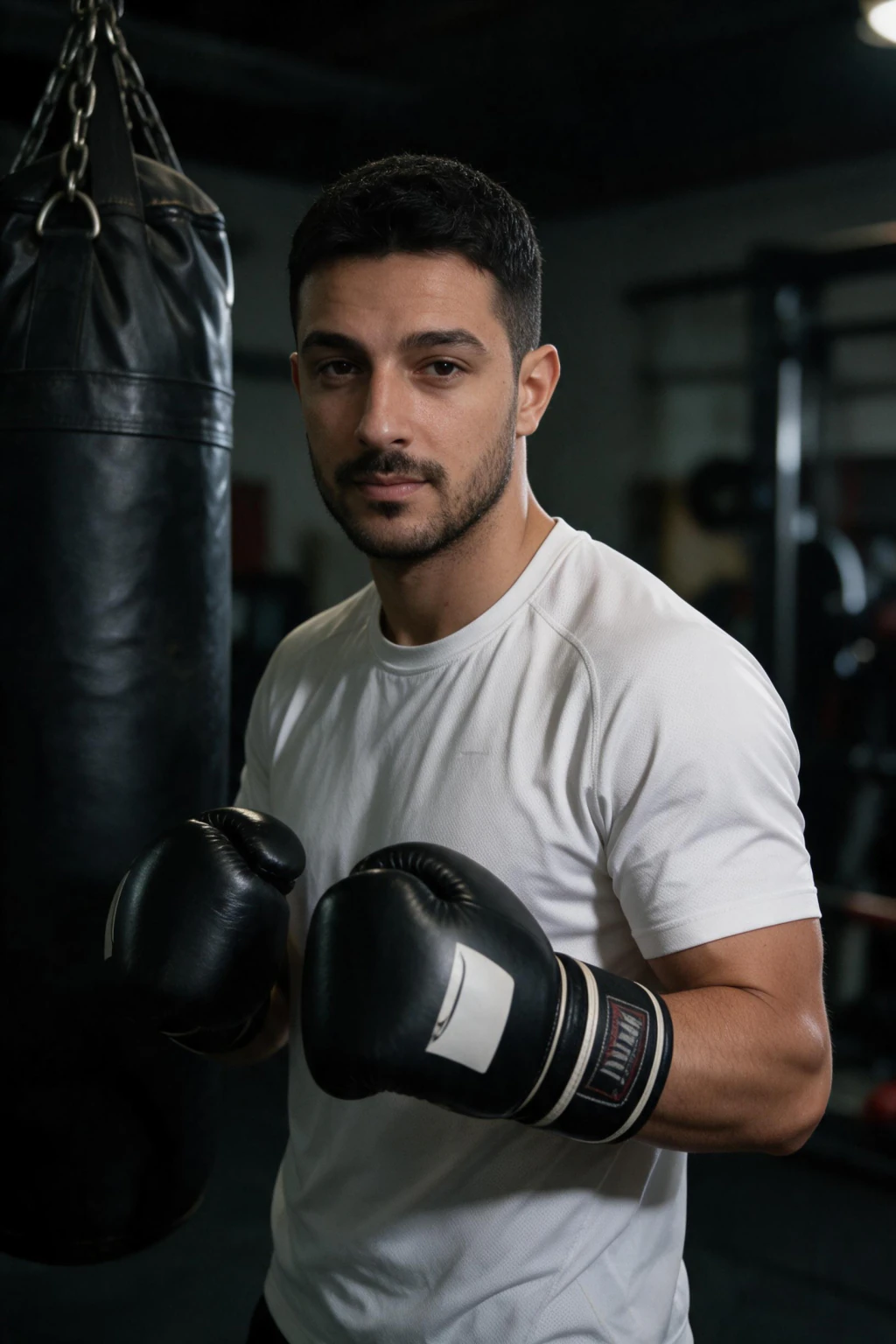
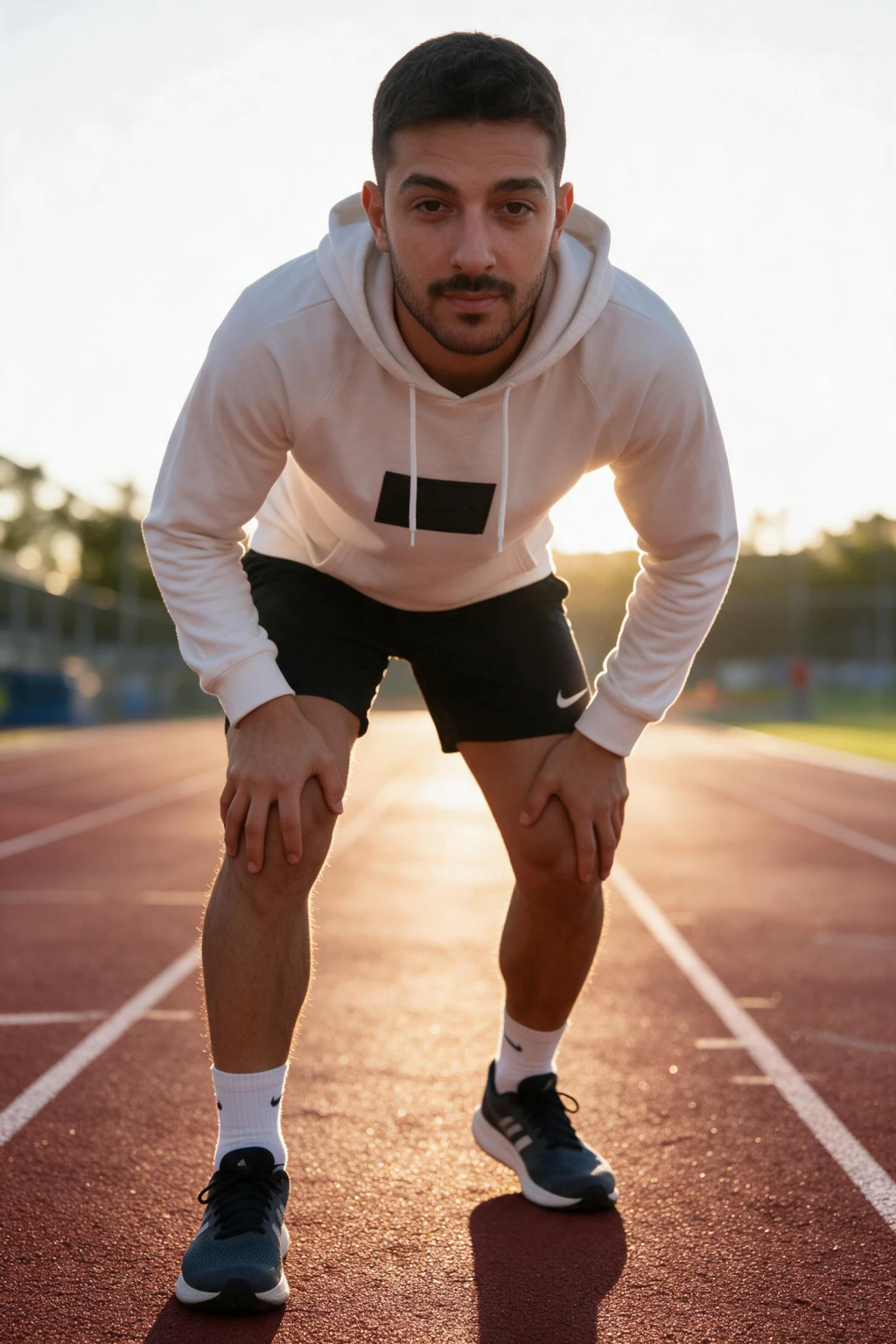
How do you take gym progress photos that show real change?
Progress photos are a measurement, not a portrait, so the rule is one word: consistency. Keep every variable identical between sessions and your body becomes the only thing that changed.
Step 1: Fix the setup. Pick one spot with the same light every time, prop the camera at chest height, and shoot at the same time of day, ideally before training so a pump never skews the comparison.
Step 2: Shoot three angles. Front, side, and back, framed from head to mid-thigh. Take each angle twice, once relaxed and once flexed, so you get six frames per session.
Step 3: Repeat every 2 to 4 weeks. Weekly photos show noise, monthly photos show trend. Wear the same or similar fitted clothing and keep your feet on the same floor marks.
Compare sessions side by side at the same zoom level. Real change reads in the side profile and back shots first, which is exactly why people who only shoot front mirror selfies think nothing is happening.
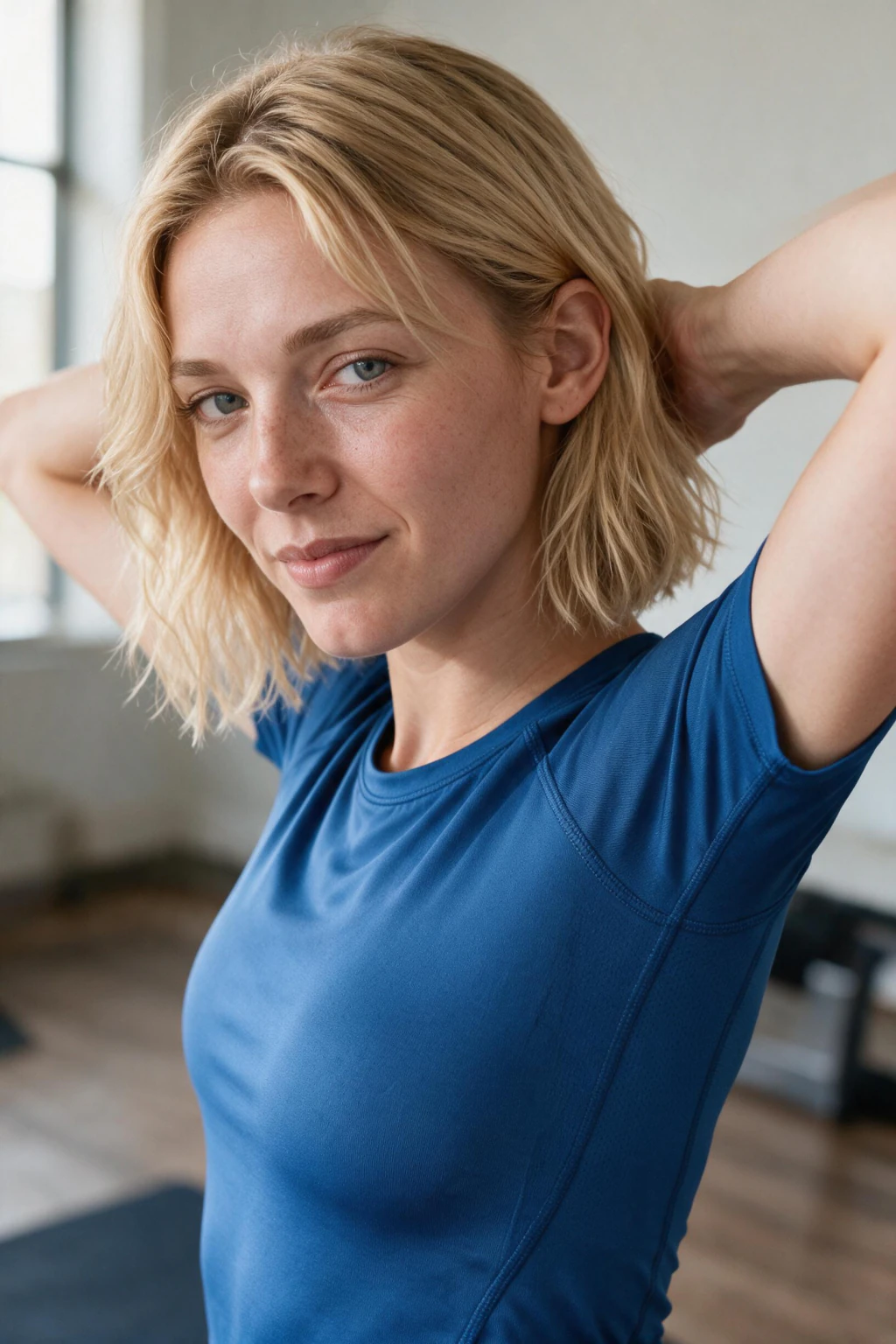
9 gym photo ideas and poses to try
Here are 9 concrete gym photo ideas you can copy on your next session, ordered from easiest to most advanced.
1. The straight-on mirror selfie: stand square to the mirror, phone at chest height, shoulders back, and one foot slightly forward to slim the stance. 2. The front double-biceps flex: face the camera and tense your arms, chest, and abs at the same time. 3. The side profile: turn 90 degrees, push your chest up, and tense the quad and oblique facing the lens. 4. The back lat spread: face away, arch the lower back slightly, and flare your lats to build a V shape.
5. The mid-set action shot: have a friend catch you actually lifting, mid-rep, for a candid look. 6. The seated rest shot: sit on a bench with a towel and water bottle for a relaxed, lifestyle feel. 7. The outfit check: a full-body mirror pic that frames your gym fit head to toe. 8. The over-the-shoulder back shot: look back toward the mirror to show your back and shoulders. 9. The before-and-after progress pair: same pose, same spot, same lighting, weeks apart, so the change is the only variable.
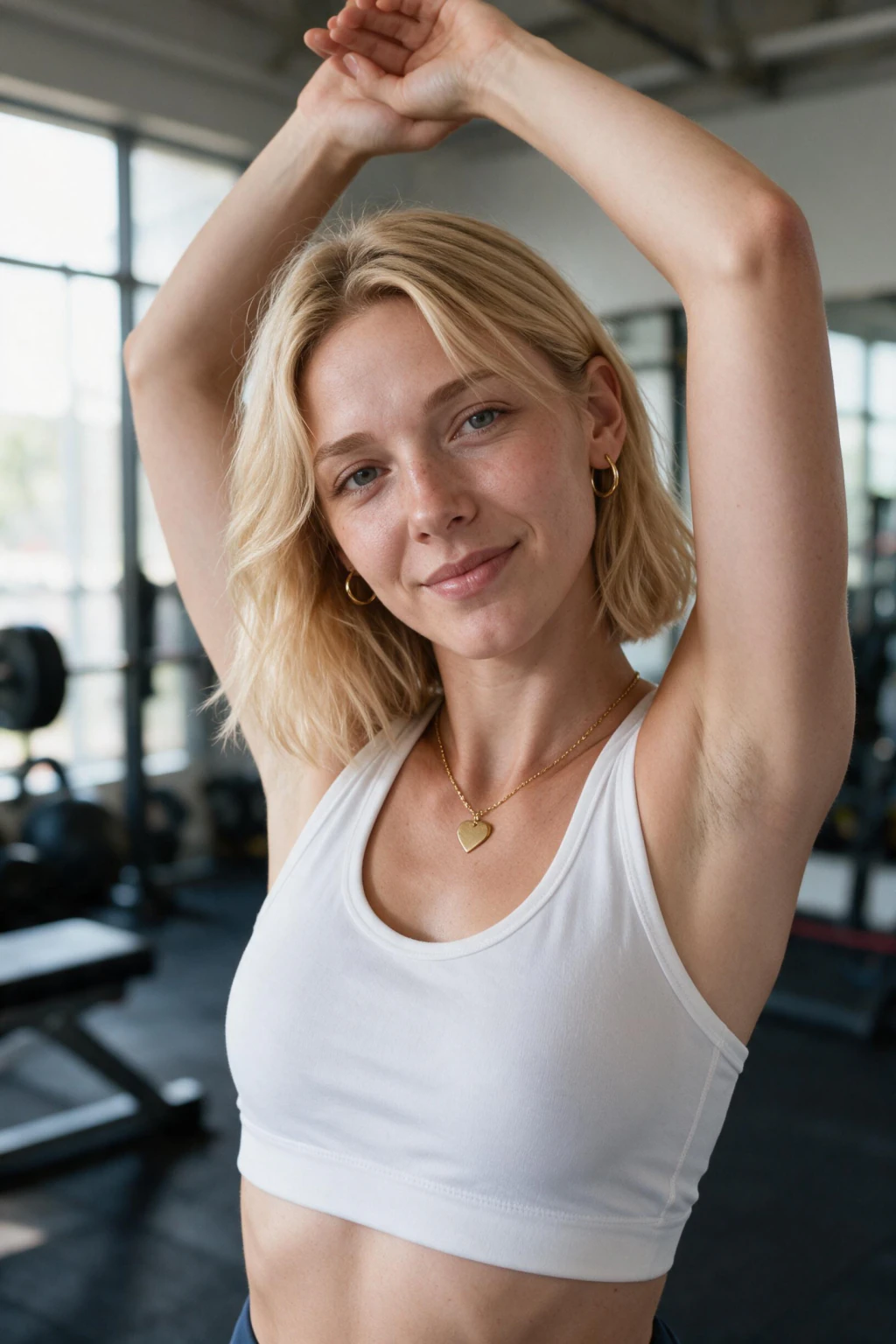
How do you take a clean gym mirror selfie?
Wipe the mirror first. Smudges and fingerprints are the number one reason a gym mirror selfie looks low quality, and a quick swipe fixes it.
Hold the phone at chest height and tilt the top slightly toward you, which keeps your body proportions natural instead of stretching your legs or shrinking your head. Lock focus by tapping your body on the screen so the shot stays crisp.
Find a spot with even overhead or window light and a clean background. Clutter and a busy rack of weights behind you pull attention away from the subject, so step to a calmer corner of the gym.
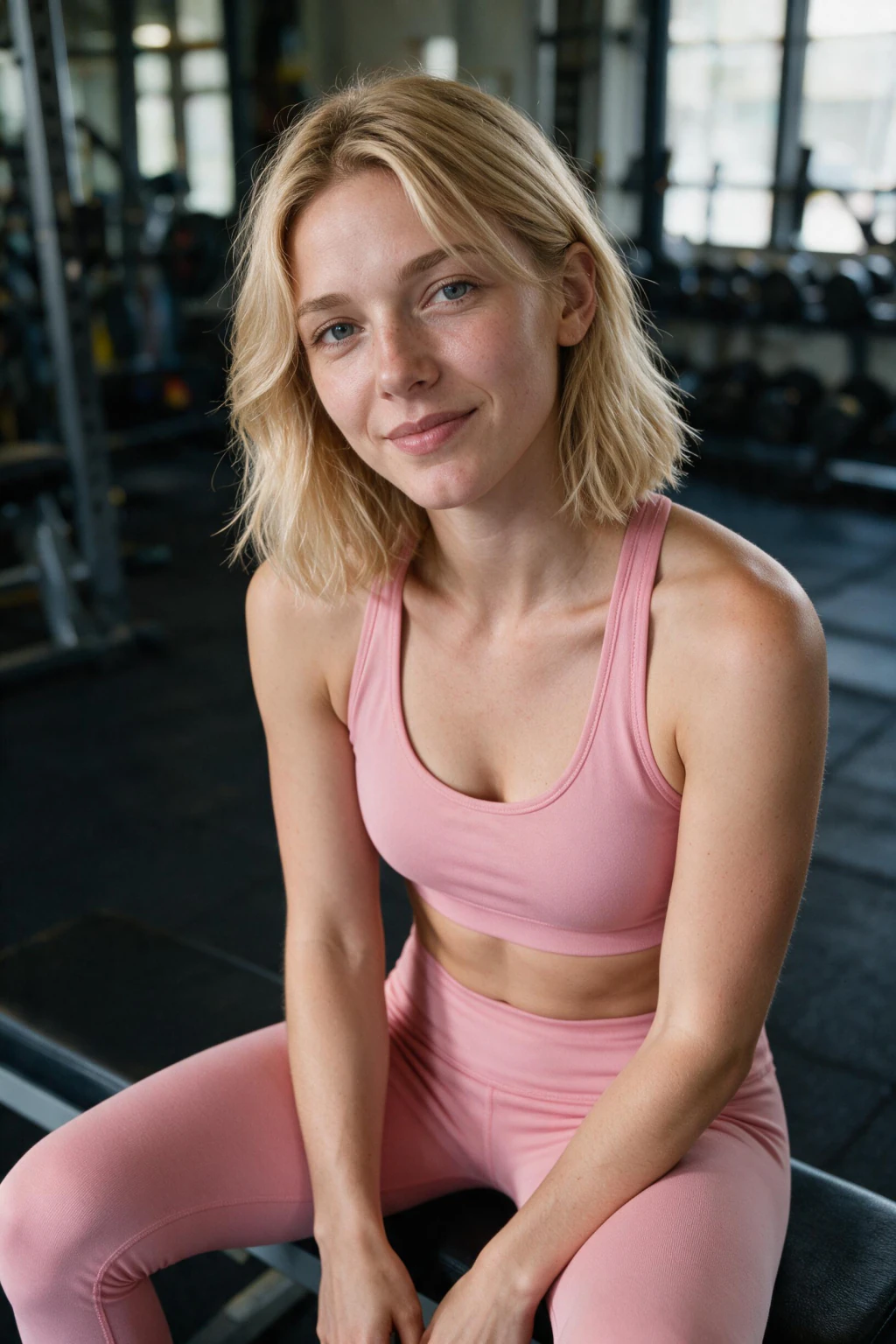
What lighting works best for aesthetic gym pics?
Soft side lighting beats harsh overhead light every time. Stand near a window or a ring light and keep the source slightly to one side, not straight in front of you.
Avoid direct flash and avoid standing right under a ceiling light, since both flatten your features and cast shadows under your eyes. Chin up, face angled toward the light, and let one side fall a little darker for contrast.
For aesthetic gym pics, the same light every time also matters if you are tracking progress. Shoot at the same time of day in the same spot so your photos compare fairly week to week.
Can you get gym photos without posing at the gym?
Yes. If you are not comfortable posing in a crowded gym or you just want a stronger set of shots, you can generate AI gym photos from selfies you already have.
The AI gym and fitness create page on MakeAiPhotos takes one clear selfie of your face and builds new images of you in gym settings, with the lighting and angles handled for you. It runs on a one-time credit pack rather than a subscription.
This works well when you want a consistent look for a profile or a fitness page without scheduling a real photo shoot or learning to pose.
Frequently Asked Questions
- What are the best gym poses for pictures?
- The four most reliable gym poses are the front flex facing the camera, the side profile turned 90 degrees with your chest up, the back lat spread with a slight arch, and a candid mid-set action shot. Tense the muscle you want to show and keep your shoulders pinned back for all of them.
- How do I take a good gym mirror selfie?
- Wipe the mirror clean, hold your phone at chest height with the top tilted slightly toward you, and tap your body on the screen to lock focus. Stand with one foot forward, shoulders back, and pick a spot with even light and an uncluttered background.
- What lighting is best for gym photos?
- Soft side lighting from a window or a ring light is best. Keep the light slightly to one side rather than straight on, skip direct flash and harsh overhead bulbs, and let one side of your body fall a bit darker to create depth and show muscle definition.
- How often should you take gym progress photos?
- Every 2 to 4 weeks. Weekly photos mostly capture water weight and lighting noise, while monthly gaps show a clear trend. Use the same pose, spot, light, and time of day each session so your body is the only variable.
- What poses show muscle progress best?
- Front, side, and back, framed from head to mid-thigh. The front shows shoulders and waist, the side shows chest, gut, and glutes, and the back shows lats and back thickness. Shoot all three each session, since change often appears in the side and back shots first.
- Should progress photos be flexed or relaxed?
- Both. Take a relaxed and a flexed version of each angle. Relaxed shows your true resting shape and posture, flexed shows muscle development. Comparing relaxed-to-relaxed and flexed-to-flexed over weeks gives you the honest picture.
- How do you take progress photos alone without a tripod?
- Prop your phone against a water bottle or shelf at chest height, set a 3 to 10 second timer, and stand on the same floor marks each session. If your gym is too crowded to set up, MakeAiPhotos can generate gym photos from one selfie for the shots you post, while you keep tracking progress at home.
- Can AI make gym photos from my selfies?
- Yes. The AI gym and fitness page on MakeAiPhotos takes one clear selfie and generates new gym photos of you in under 2 minutes, with the posing and lighting handled automatically. It runs on a one-time credit pack.
- How much does it cost to make AI gym photos?
- MakeAiPhotos uses a one-time credit pack, not a subscription, so you pay once and use those credits to generate your gym photos. Every purchase is backed by a 14-day money-back guarantee.