Does one selfie carry enough of your face?
Yes, when the selfie shows the whole face clearly. A front-facing photo contains the things that make you recognisable: the spacing of the eyes, the shape of the nose and mouth, the jawline, the hairline, skin tone and the small asymmetries nobody else has.
The generator copies those from the reference and builds the scene, the outfit and the light around them. It edits the one selfie directly. The older multi-photo tools needed 15 to 20 of your photos to settle on a face.
The catch is the word "clearly". A selfie with a hard shadow across one cheek, a beauty filter, or the face tucked into a corner of the frame gives the model less to copy, and the result drifts toward a generic face. The fix is a better selfie, not more selfies.
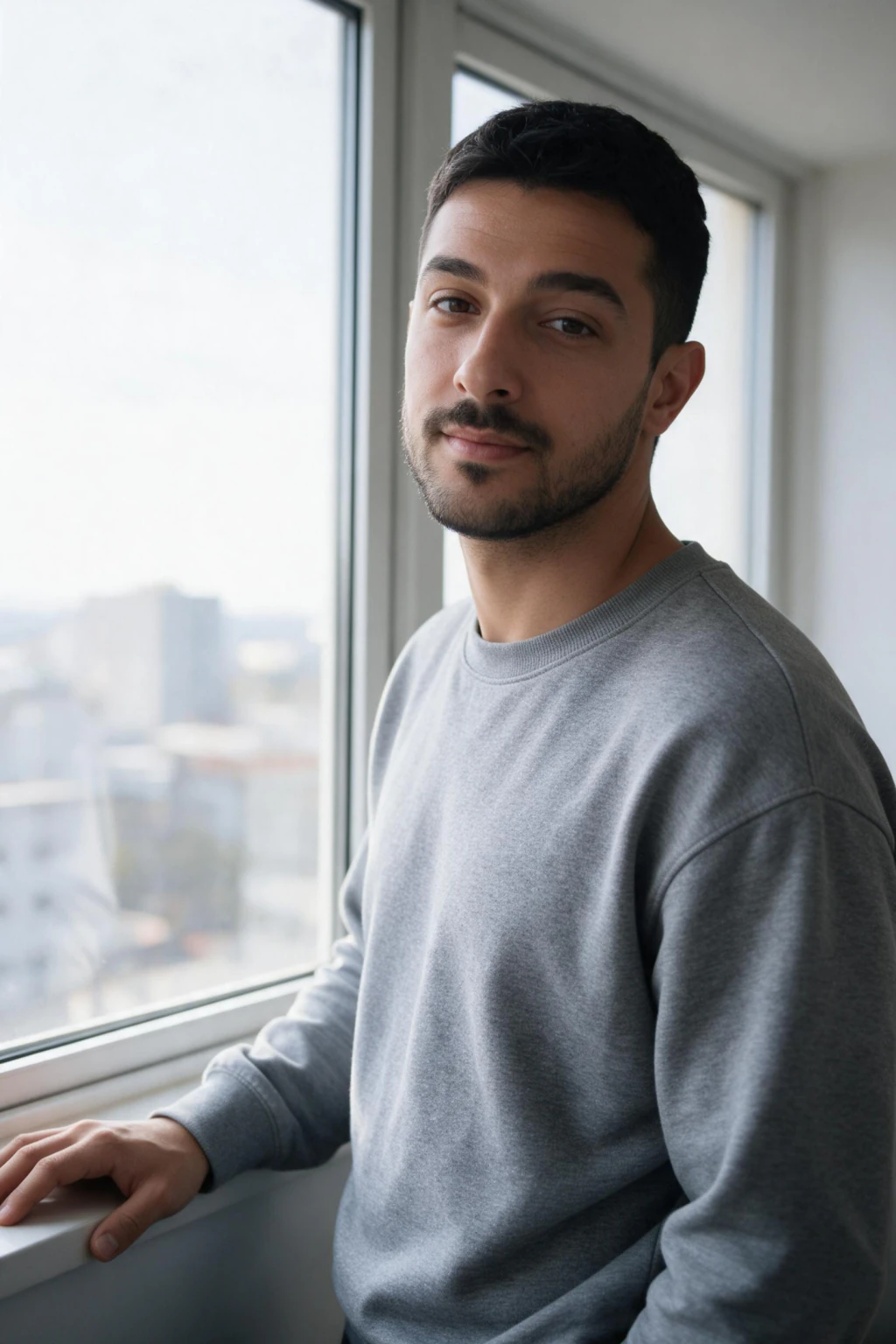
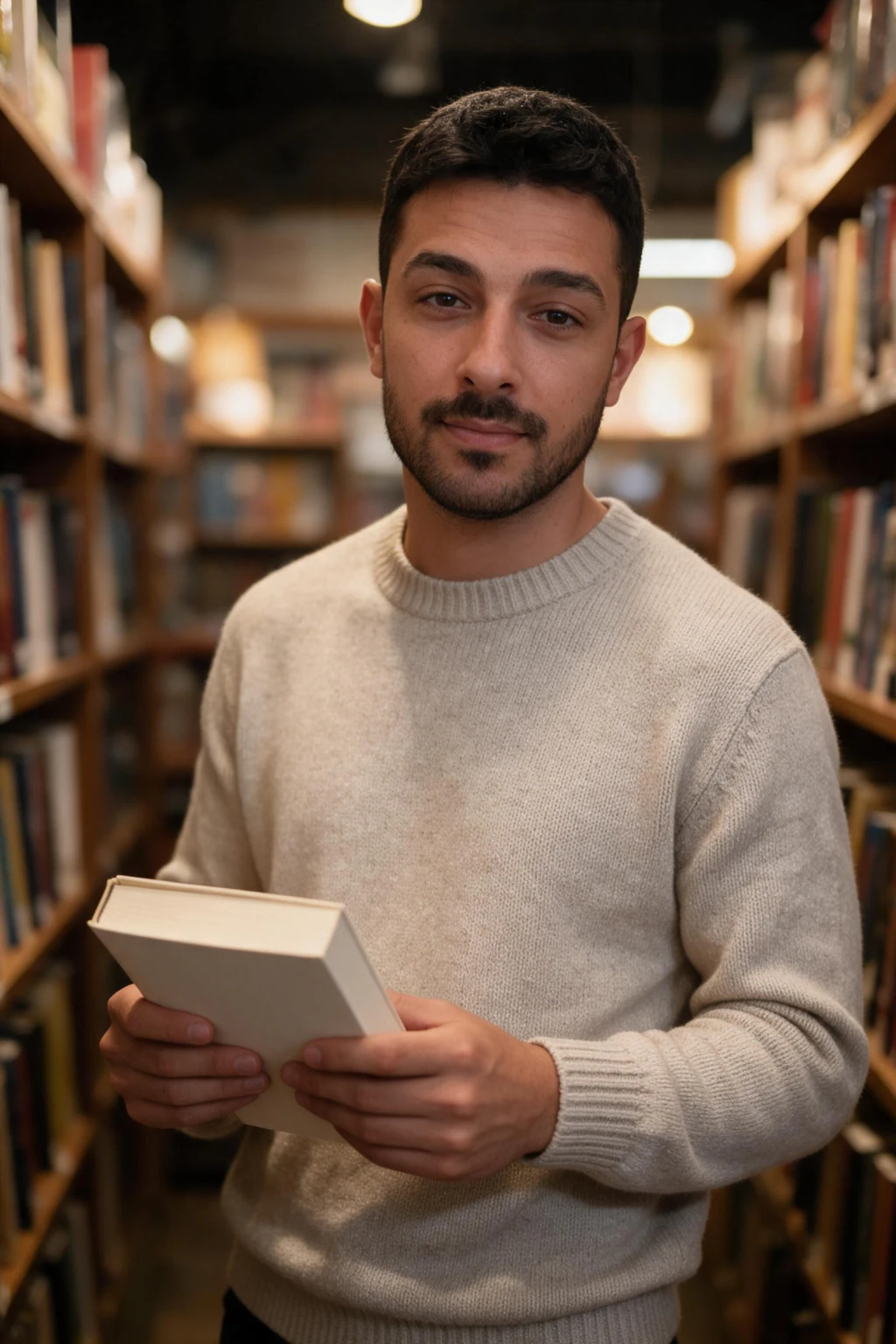
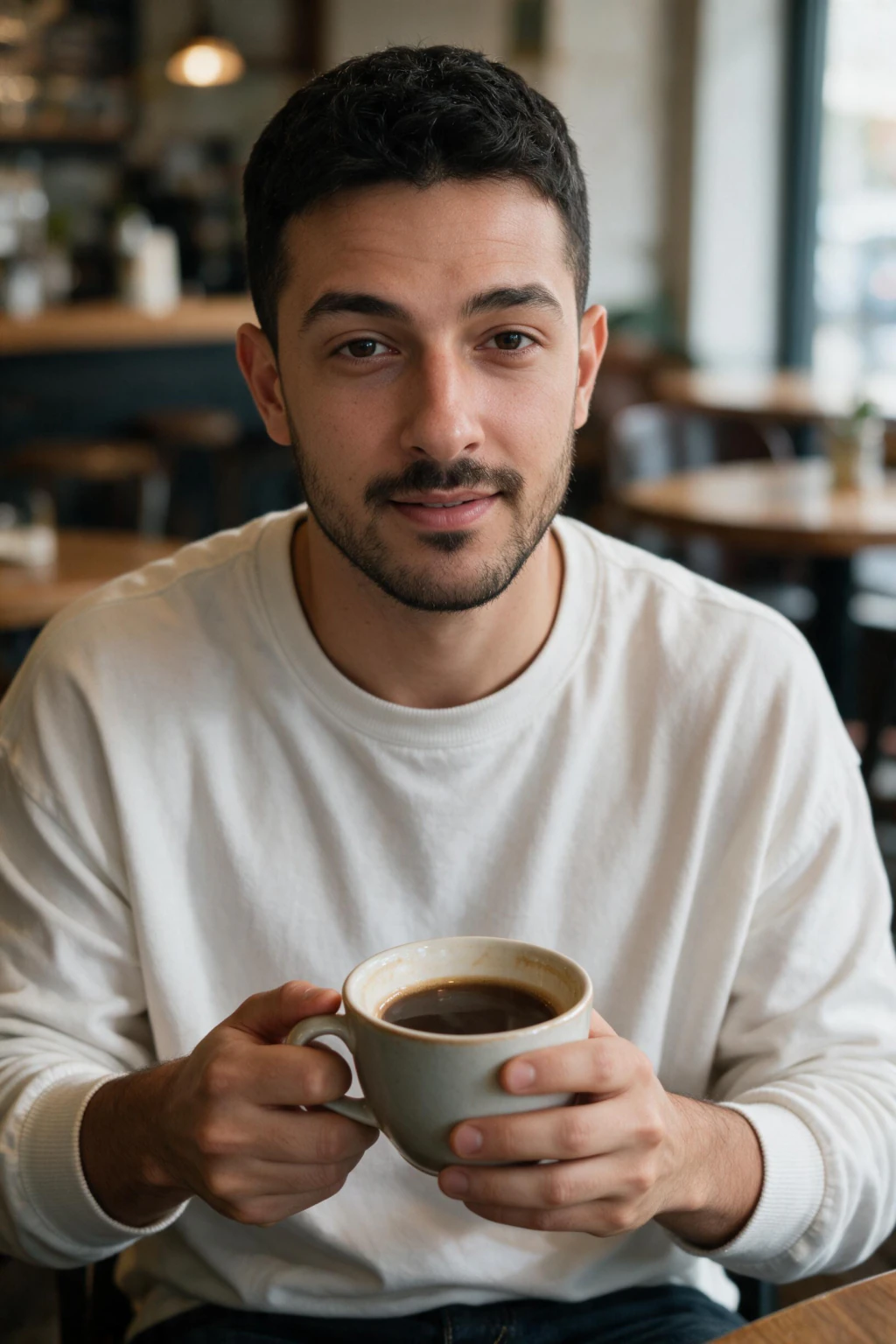
One phone selfie to 5 AI photos of the same person
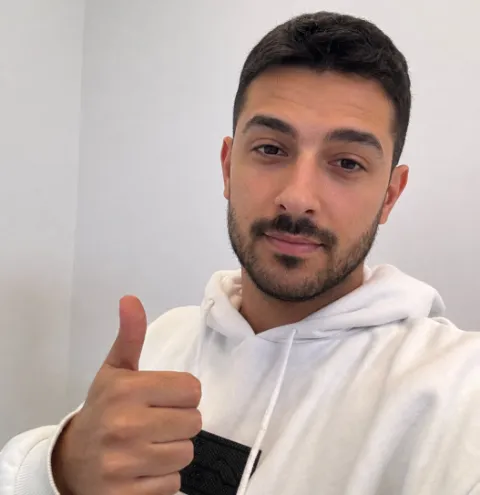
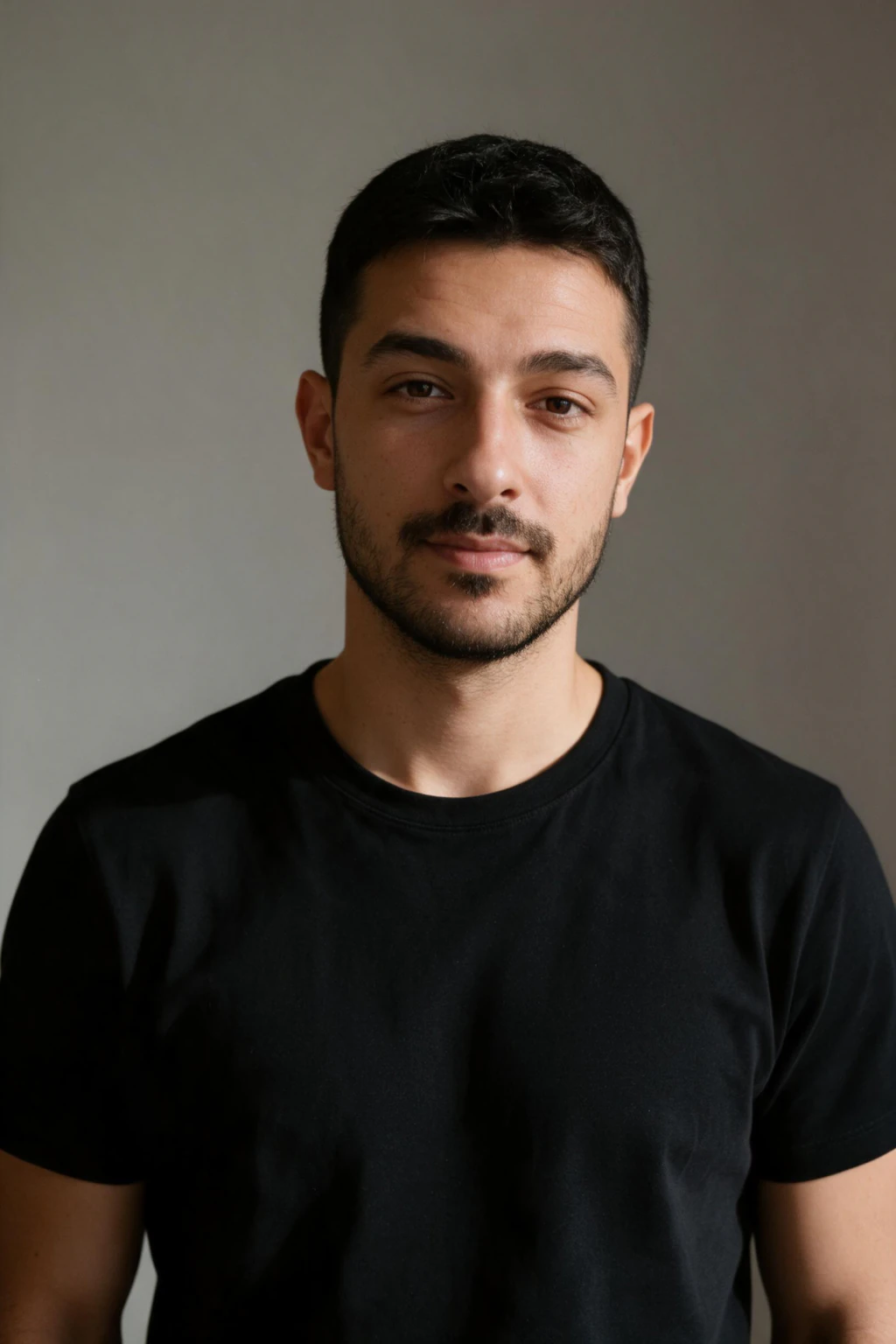
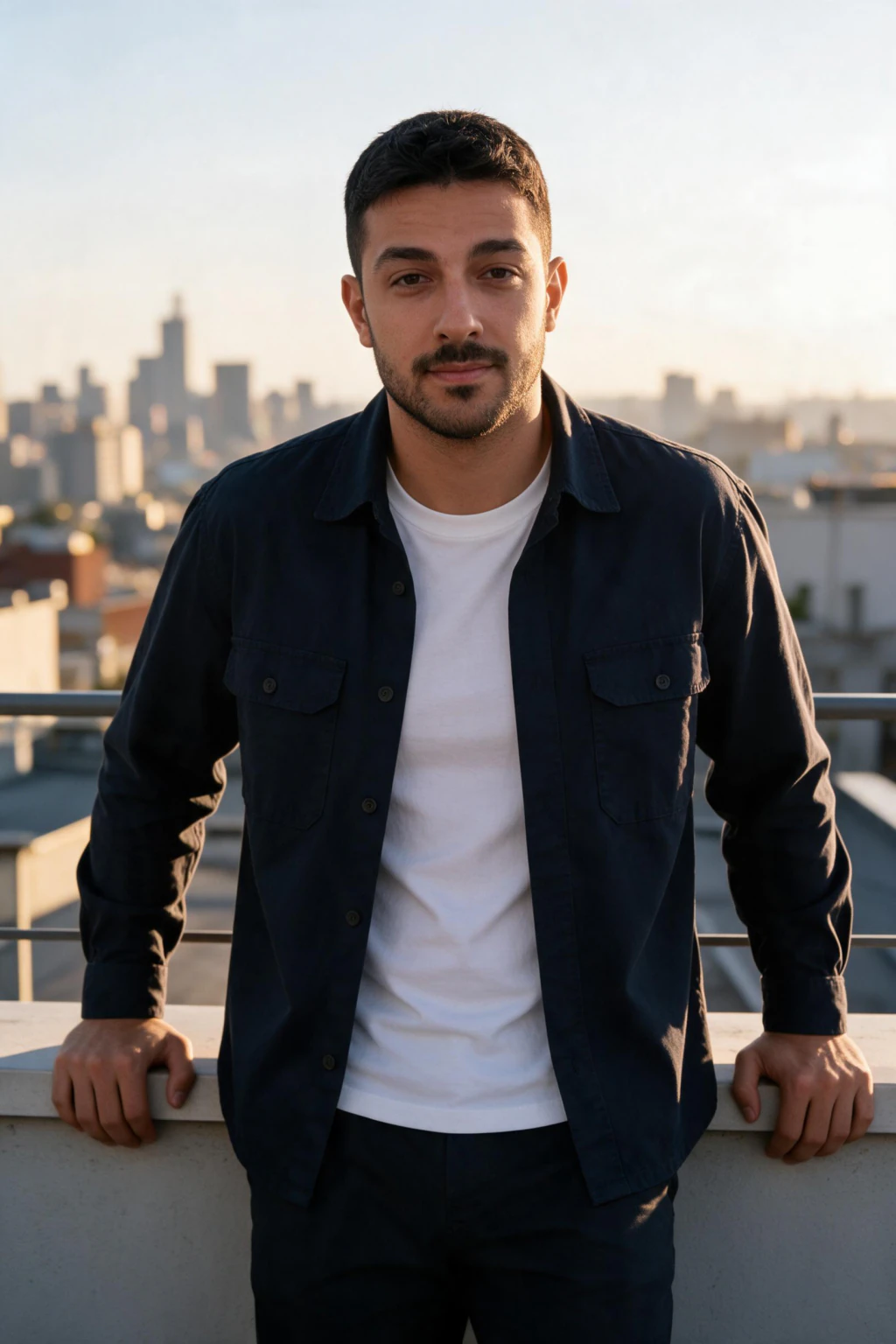
How accurate is an AI photo from a single photo?
Across the 325 stills in our generation log, the lowest face-match score was 96.1 out of 100 and the median was 100. That is one person, not a study of thousands, but it is a real measurement of what the one-selfie flow does when the input is good.
Every example photo on this site is generated through the same prompt stack a customer uses, from one fixed reference selfie per gender. Before an image goes on a page, a face-matching model (AWS Rekognition) scores the generated face against the reference out of 100. The shipping floor is 90, and none of the 325 fell under it.
A similarity score checks geometry, not taste. It will not tell you whether the photo looks like a photo, and it will not catch a hoodie from your selfie leaking into a beach scene.
Those checks are done by a person, and about 1 in 14 stills still get rejected for reasons that have nothing to do with the face. That side of it is covered in how many AI photos you need to get a good one.
What one selfie cannot carry
Anything the camera did not see. The back and sides of your head, the shape of your ears in profile, a tattoo on your forearm, a scar below the collar, your build below the chest, your height. A generator cannot copy what is not in the reference, so it fills those in as typical anatomy for a person with your face.
In practice that means a waist-up result is very much you, and a full-body result is your face and hair on a plausible body wearing the outfit the scene asked for. If your build is distinctive, pick waist-up and knees-up looks and the question never comes up.
It also means a profile shot, where your face turns 90 degrees from the camera, is the least reliable framing from one selfie. Looks on this site keep the head turned toward the camera for exactly that reason.
The four things the selfie must have
Face size: the face should fill roughly a third of the frame or more. Arm's length on a phone is about right. A photo where you are a small figure in a landscape gives the model a few hundred pixels of face to work with, and a few hundred pixels is not enough.
Angle: eyes to the camera, head level. A slight tilt is fine. A three-quarter turn hides half the nose and one ear, and the model has to guess them.
Light: even, soft, from the front. Facing a window in daytime is the easiest recipe. Overhead kitchen light puts shadows in the eye sockets and under the nose, and the generator reads those shadows as features.
No filter, no beauty mode, no sunglasses, no hat brim across the eyes. The generator copies the skin it is given, so a smoothed selfie produces a smoothed, plastic-looking result. The full checklist is in what photo to upload for the best AI photos.
How do you make AI photos from one selfie?
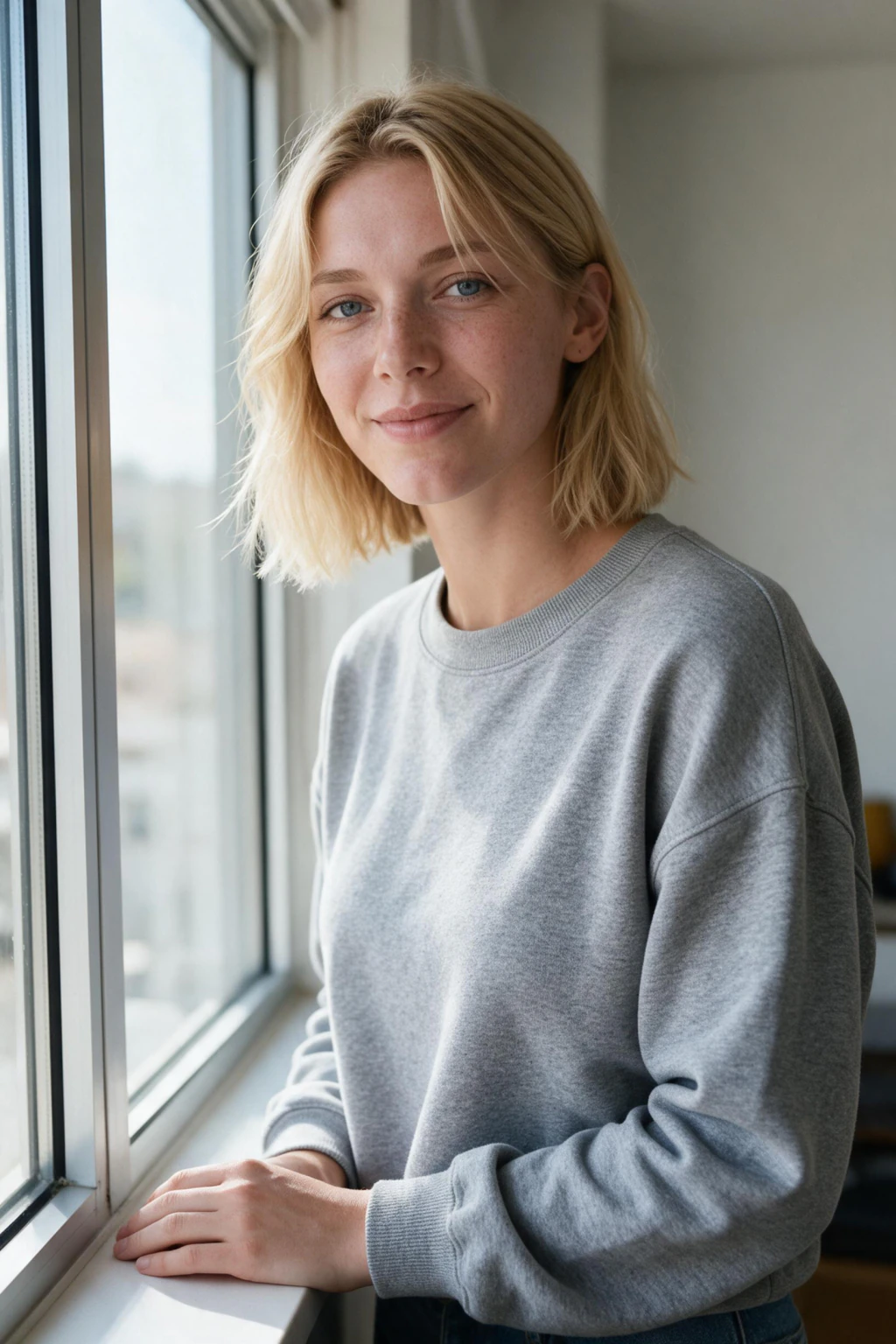
Upload one selfie on the AI photo generator, pick a look, and the first photo comes back in about 2 minutes. There is no model to train and no waiting room. Each photo costs 10 credits and $9.99 one time buys 100 credits, about 10 finished photos.
If a result drifts, generate the same look again from the same selfie. Two tries per look you actually need is the sensible budget, and a 14-day money-back guarantee applies.
Frequently Asked Questions
- Can AI make a realistic photo of you from one selfie?
- Yes. A single clear, front-facing selfie carries the features that make you recognisable, and the generator builds the scene and outfit around them. In our own measurement, 325 photos generated from one reference selfie scored 96.1 to 100 out of 100 for face similarity against that selfie, with a median of 100.
- How accurate are AI photos made from a single photo?
- Accurate on the face, hair and skin tone, which the model copies from the reference. Less reliable on anything the selfie did not show: your profile, the back of your head, your build below the frame. Those are generated as typical anatomy, so waist-up results look most like you.
- Is one selfie better than uploading 15 photos?
- For the current single-photo generators, yes, because one sharp reference beats fifteen mixed ones. The older tools needed a set to average a face out of, which is where the 15-to-20-photo advice came from. With one selfie, quality of that one photo is what matters, not quantity.
- What kind of selfie works best for AI photos?
- Front-facing, eyes to the camera, taken at arm's length so the face fills about a third of the frame, in soft daylight from a window, with no filter or beauty mode. Skip sunglasses, hats and hard overhead light. A plain phone photo from today beats a polished one from two years ago.
- Why does my AI photo from one selfie not look like me?
- Almost always the selfie: a filter smoothed the skin, a shadow hid half the face, or the face was too small in the frame. Retake it by a window at arm's length and generate the same look again. If the face is right and the photo still feels off, the problem is usually lighting or expression, not identity.
- How much does it cost to make AI photos from one selfie?
- On MakeAiPhotos, $9.99 one time buys 100 credits, and each photo costs 10 credits, so about 10 finished photos. Each one comes back in about 2 minutes with no model training. A 14-day money-back guarantee covers the set.