AI Cinematic Portrait Generator: Make a Movie Poster of Yourself
MakeAiPhotos is an AI cinematic portrait generator that turns your selfie into movie poster, film noir, neon cyberpunk, rainy street, rooftop dusk, fire spark, or night explosion portraits in about 2 minutes, keeping your real face across all seven dramatic looks.
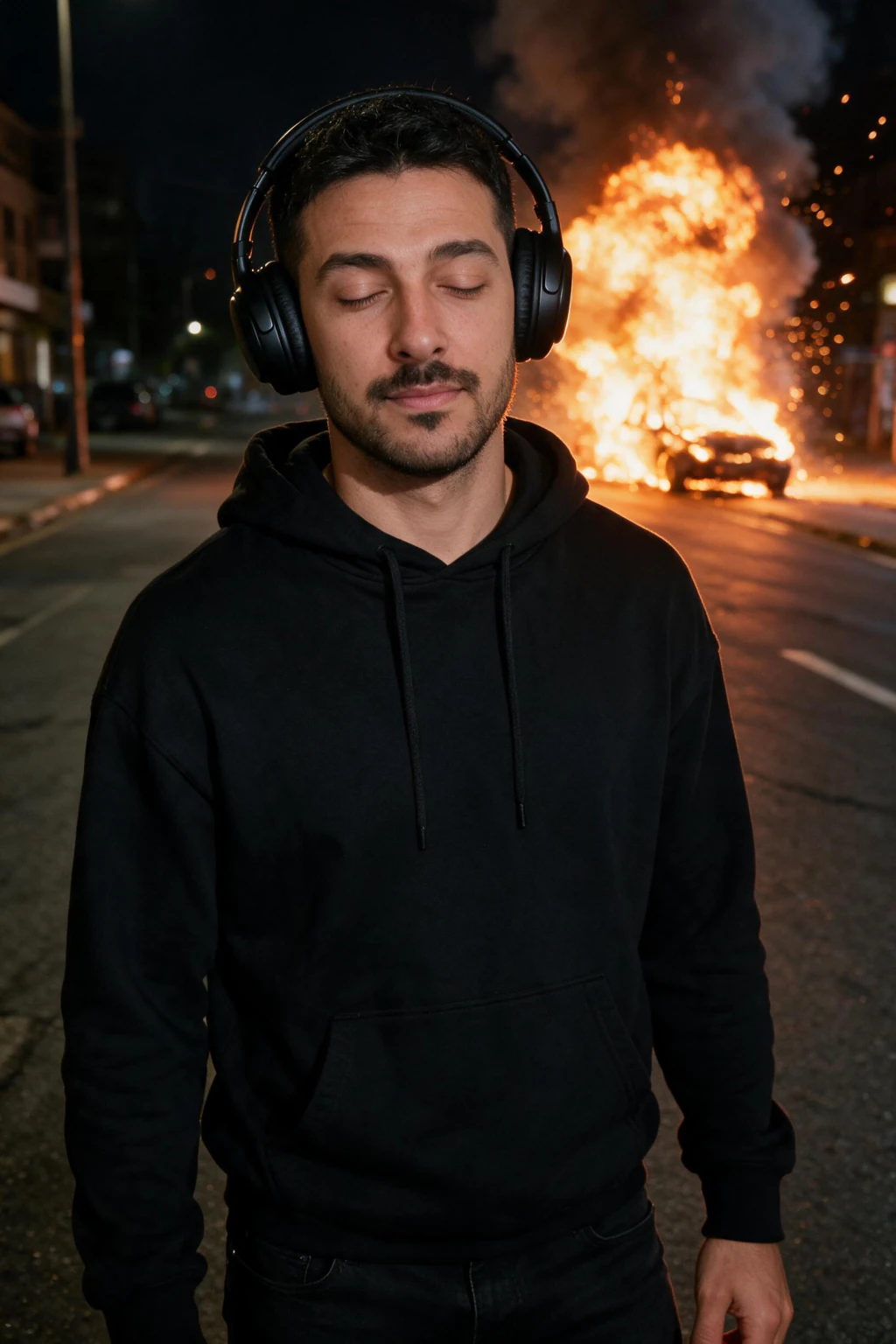
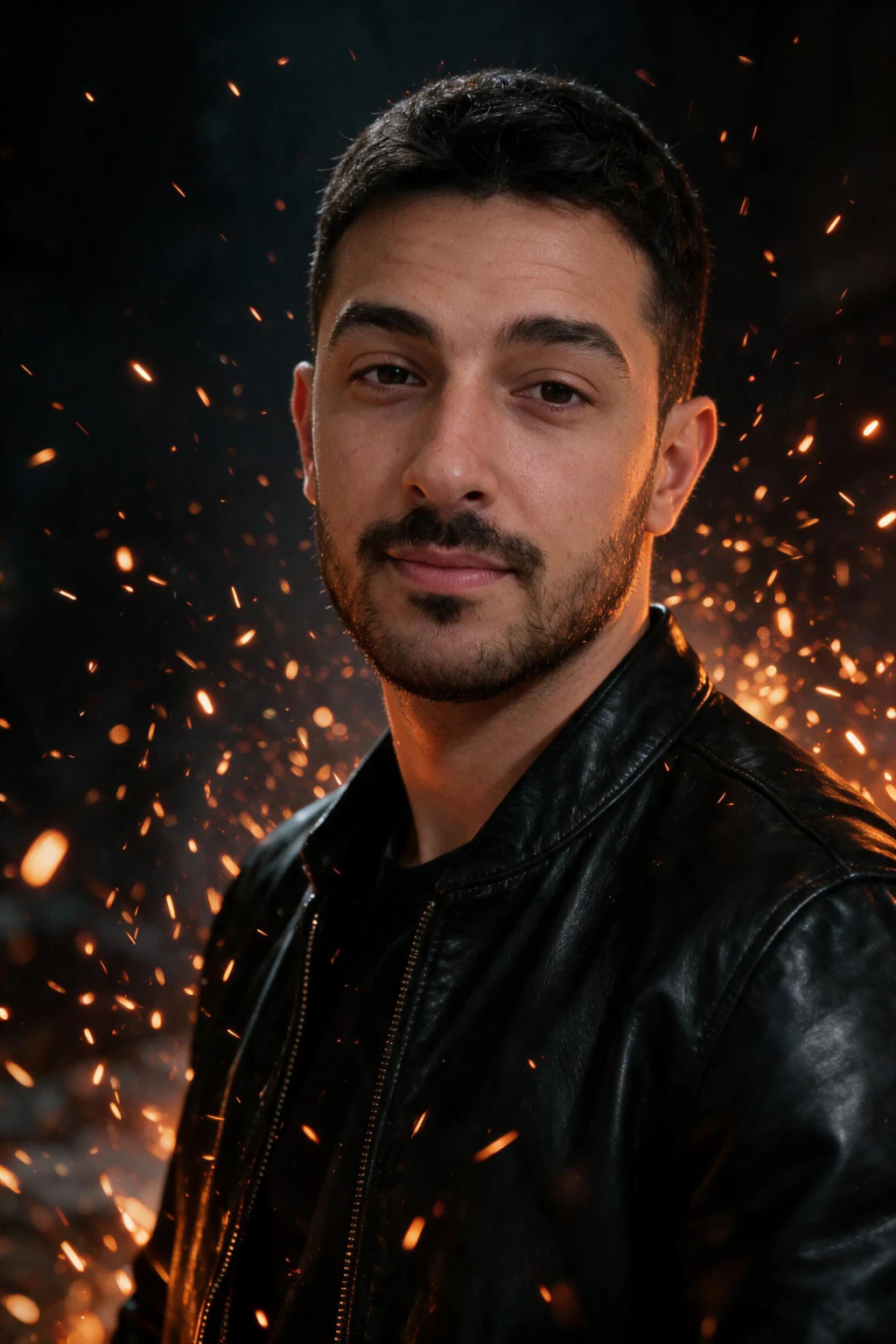
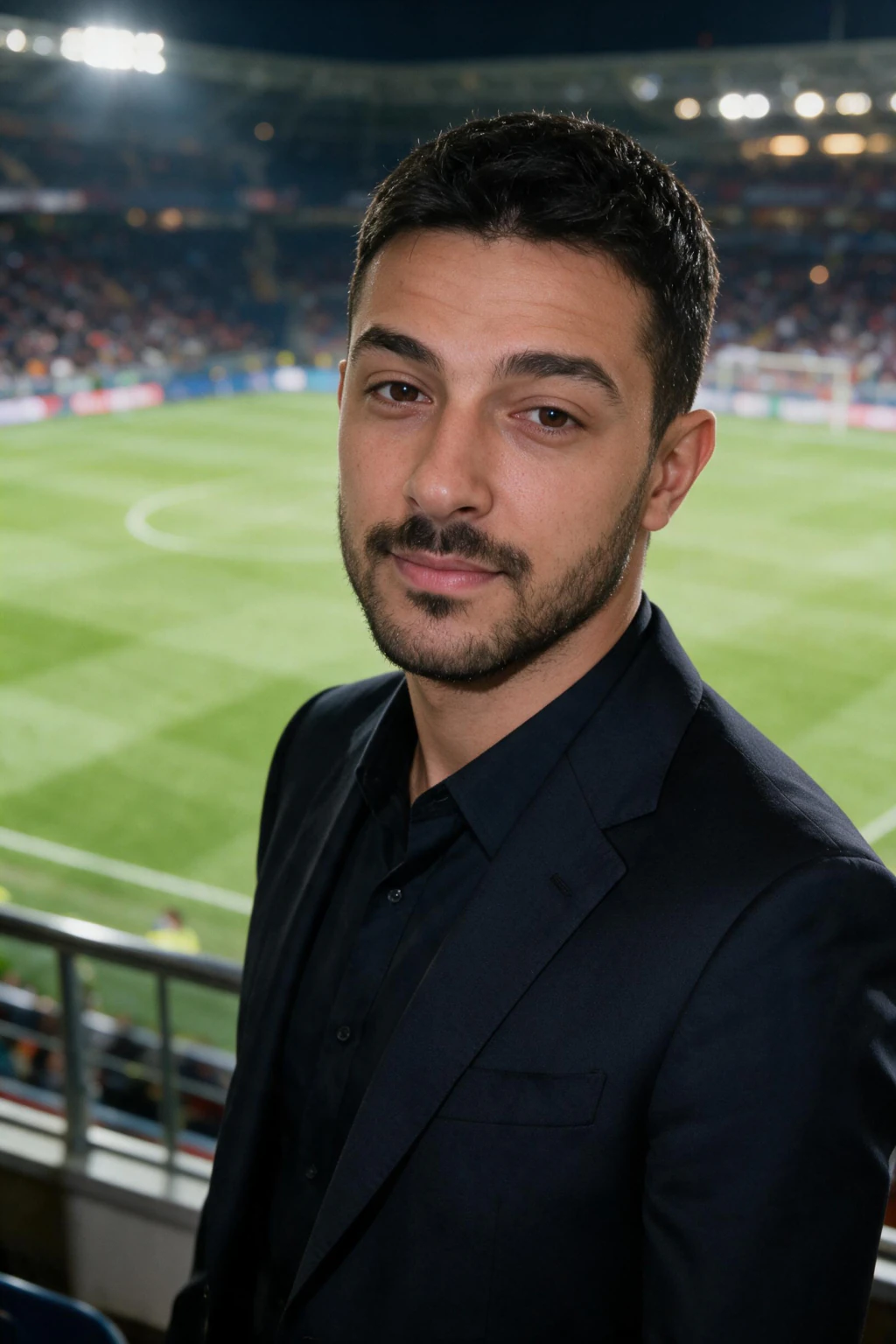
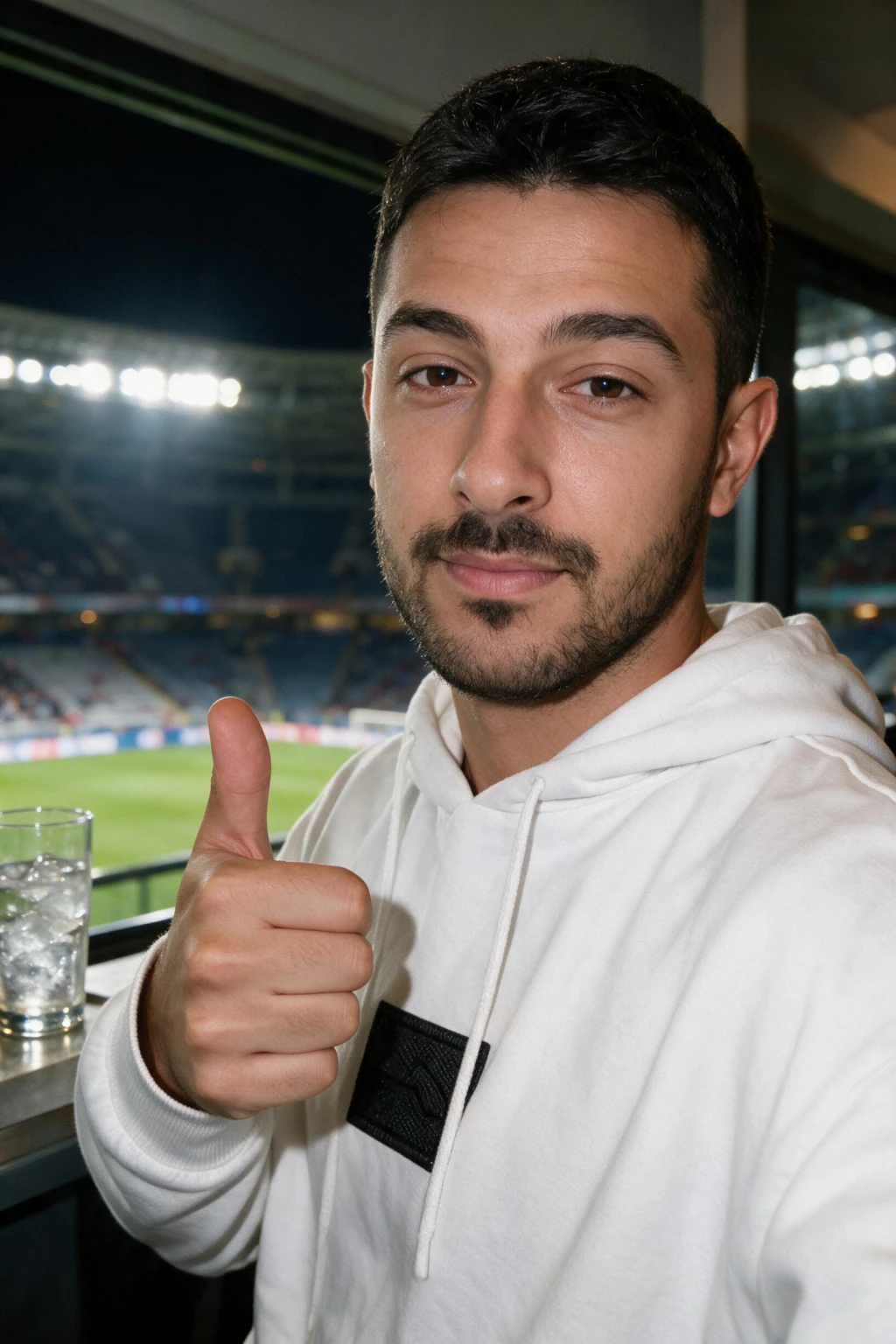
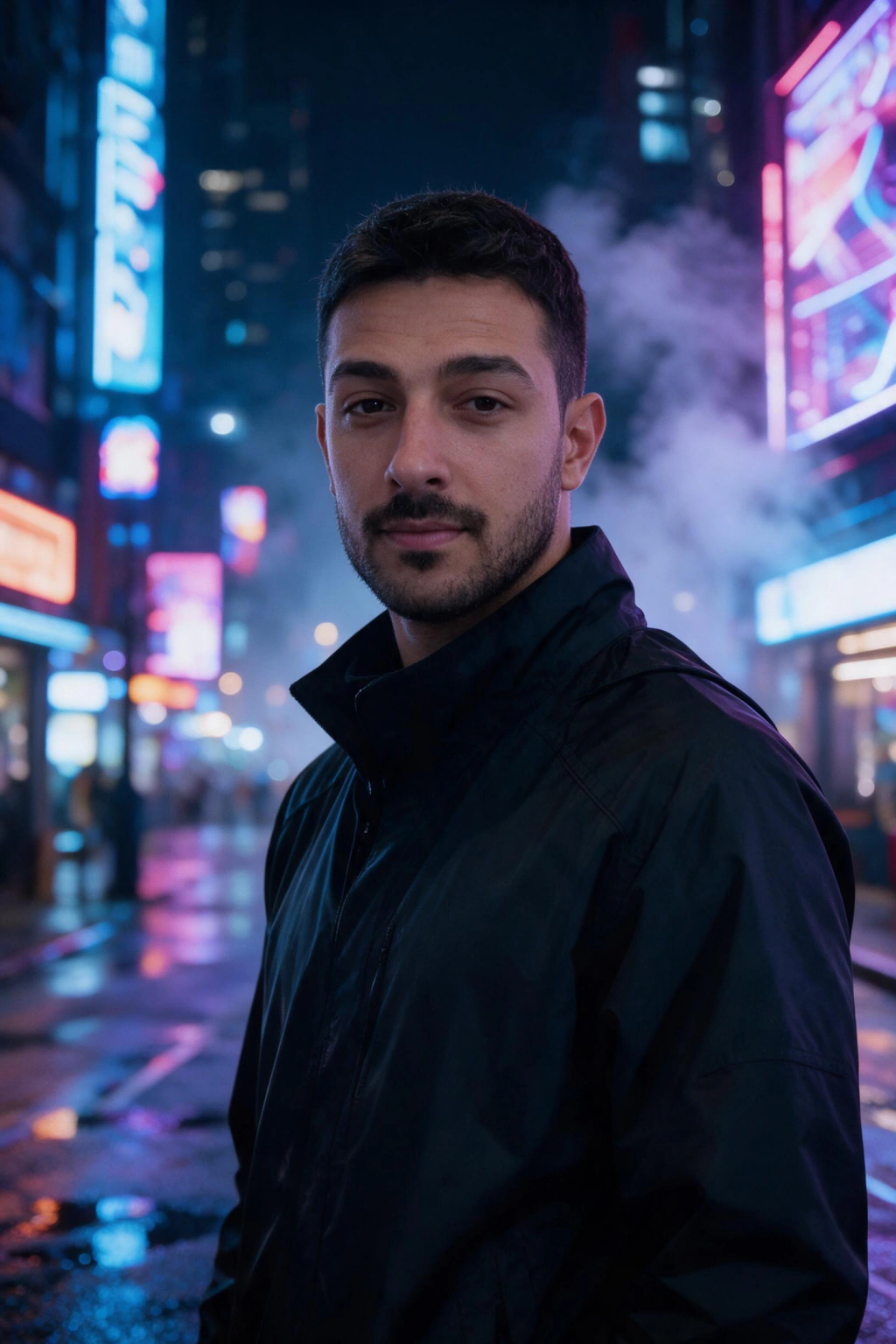
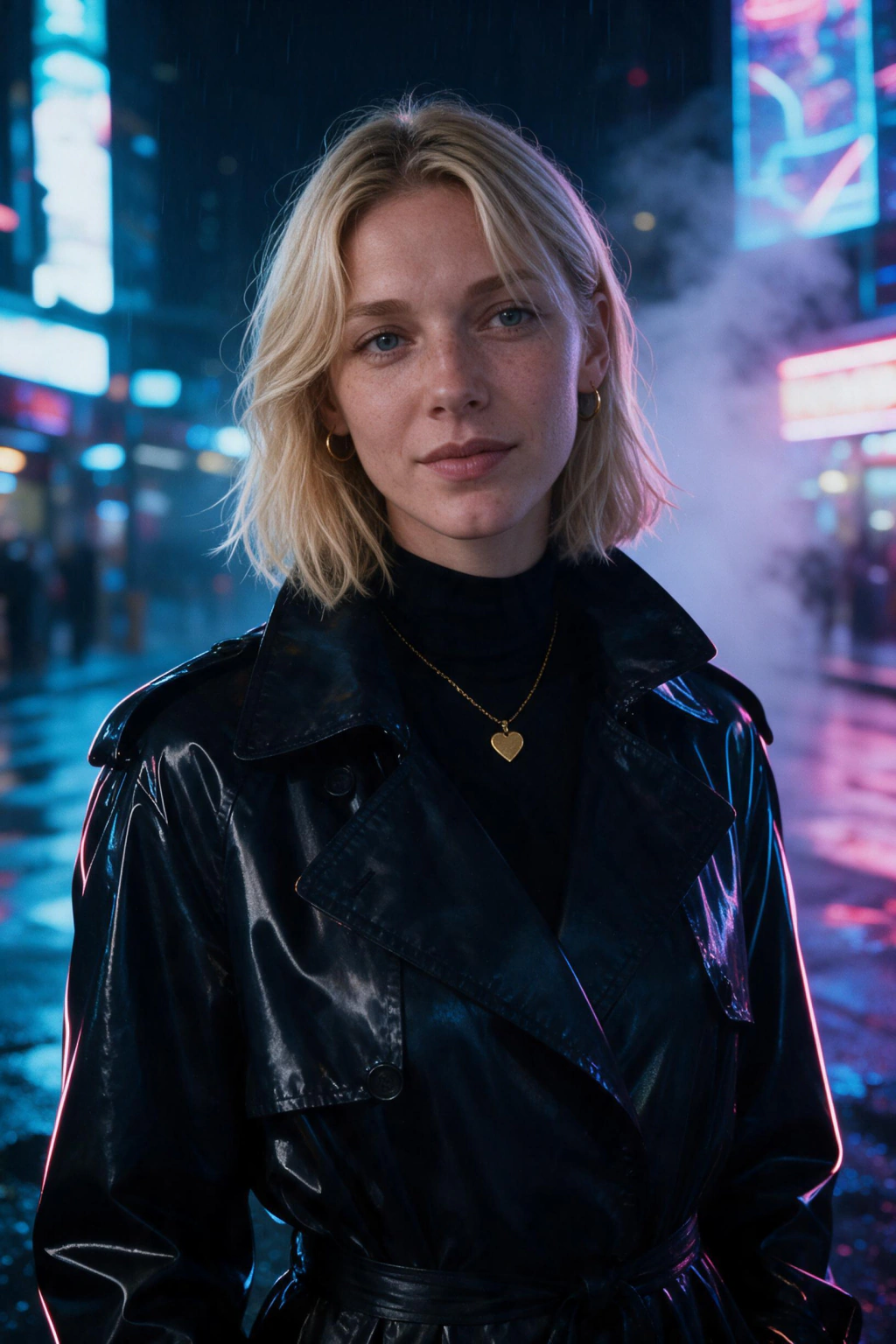
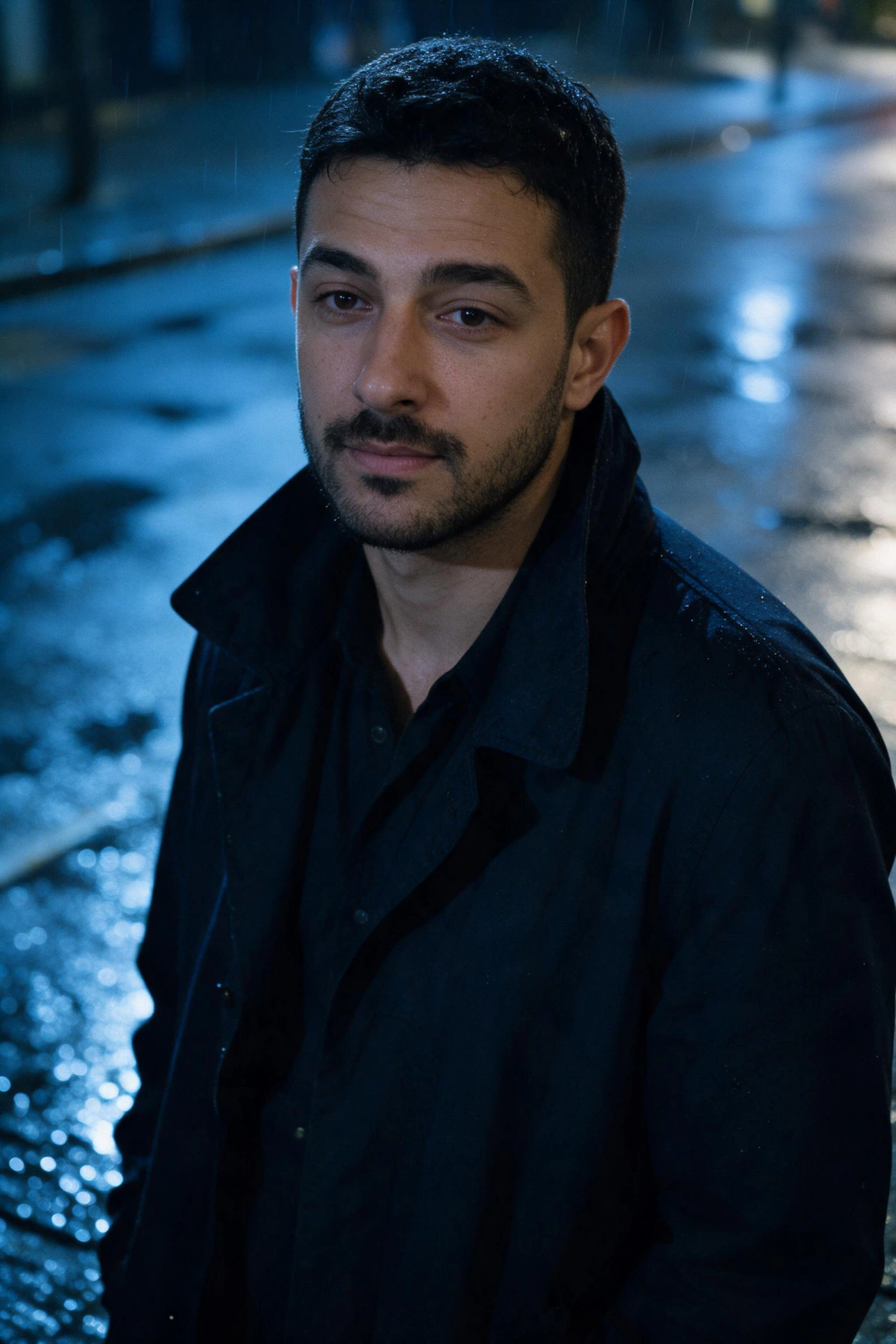
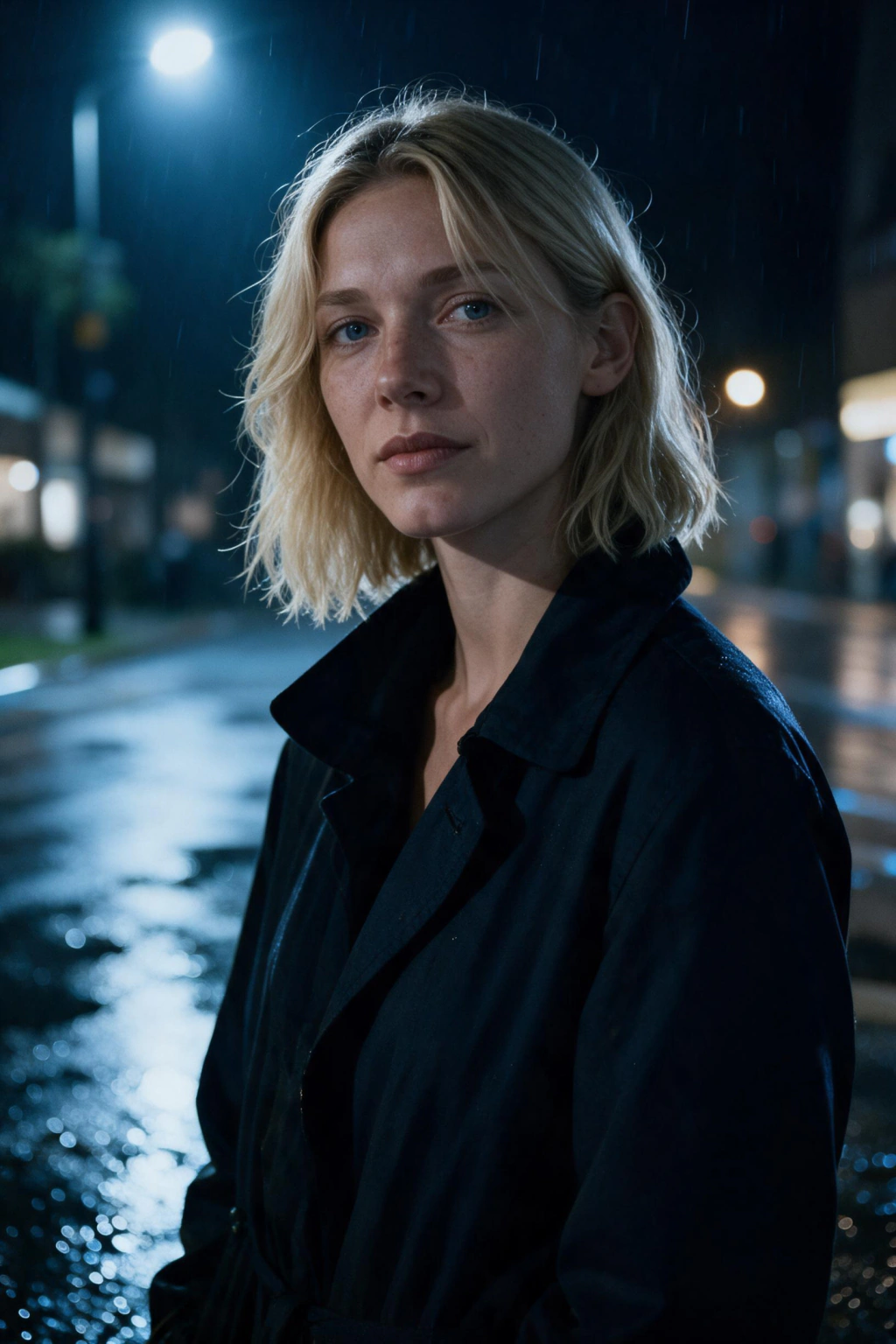
Upload a selfie and get cinematic portraits of yourself styled like a movie poster, a film noir still, a neon cyberpunk scene, a rainy street, a rooftop at dusk, a fire spark portrait, or a night explosion scene. You pick the mood, the AI handles the lighting, color grade, and framing. Pick a look and generate here. Browse the fire sparks and VIP stadium night prompts for two ready-made scenes. No studio, no photographer, no hours in Photoshop. Each look matches a real cinematic recipe: hard key and rim light for movie posters, deep low-key shadows for noir, blue and magenta neon reflections for cyberpunk, wet reflections on the rainy street, dusk glow on the rooftop, drifting embers in the fire sparks shot, and a car fireball throwing orange light across you in the night explosion. Your face stays recognizable in all seven. MakeAiPhotos runs on one-time credits, not a subscription, and every purchase is backed by a 14-day money-back guarantee (terms apply).
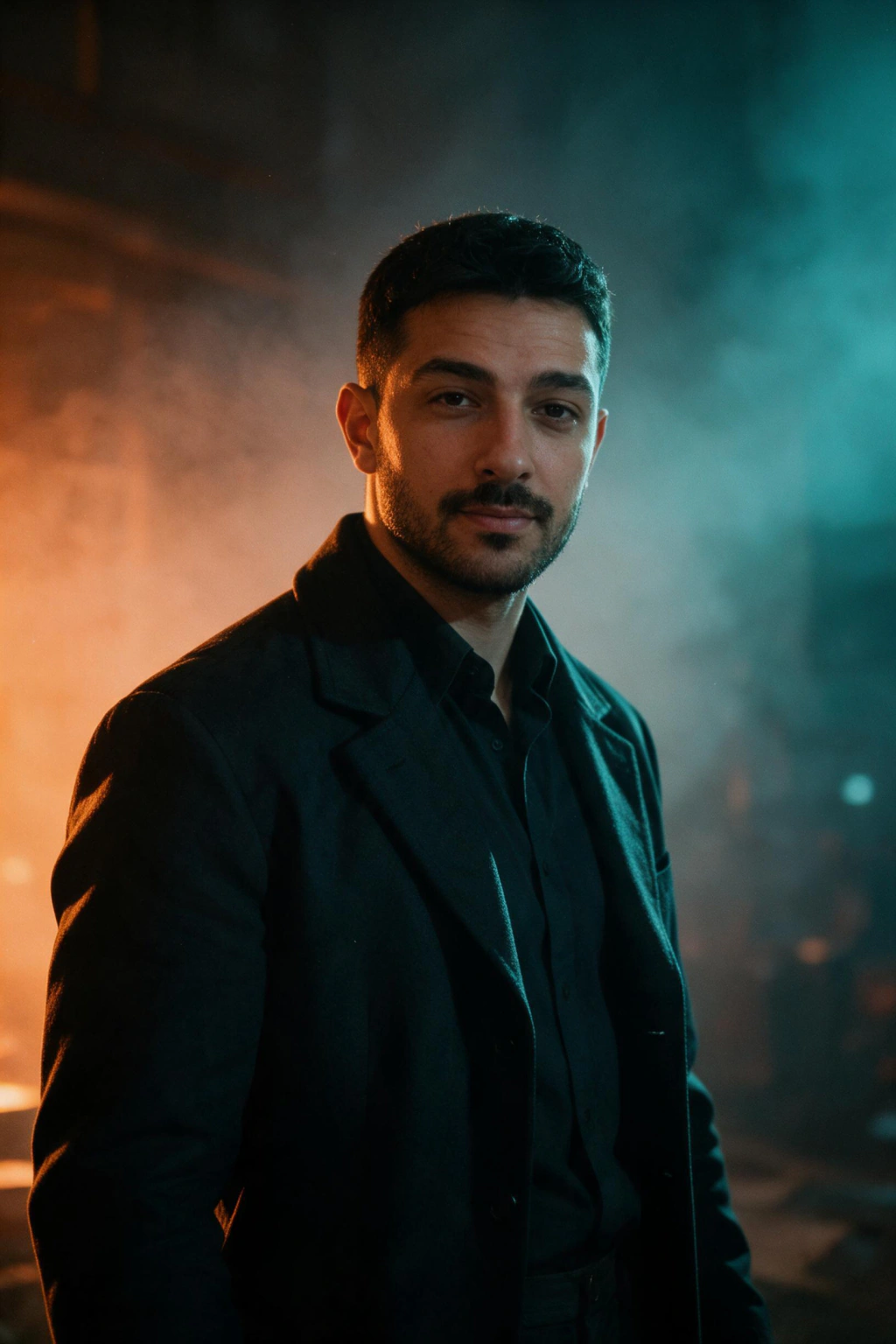
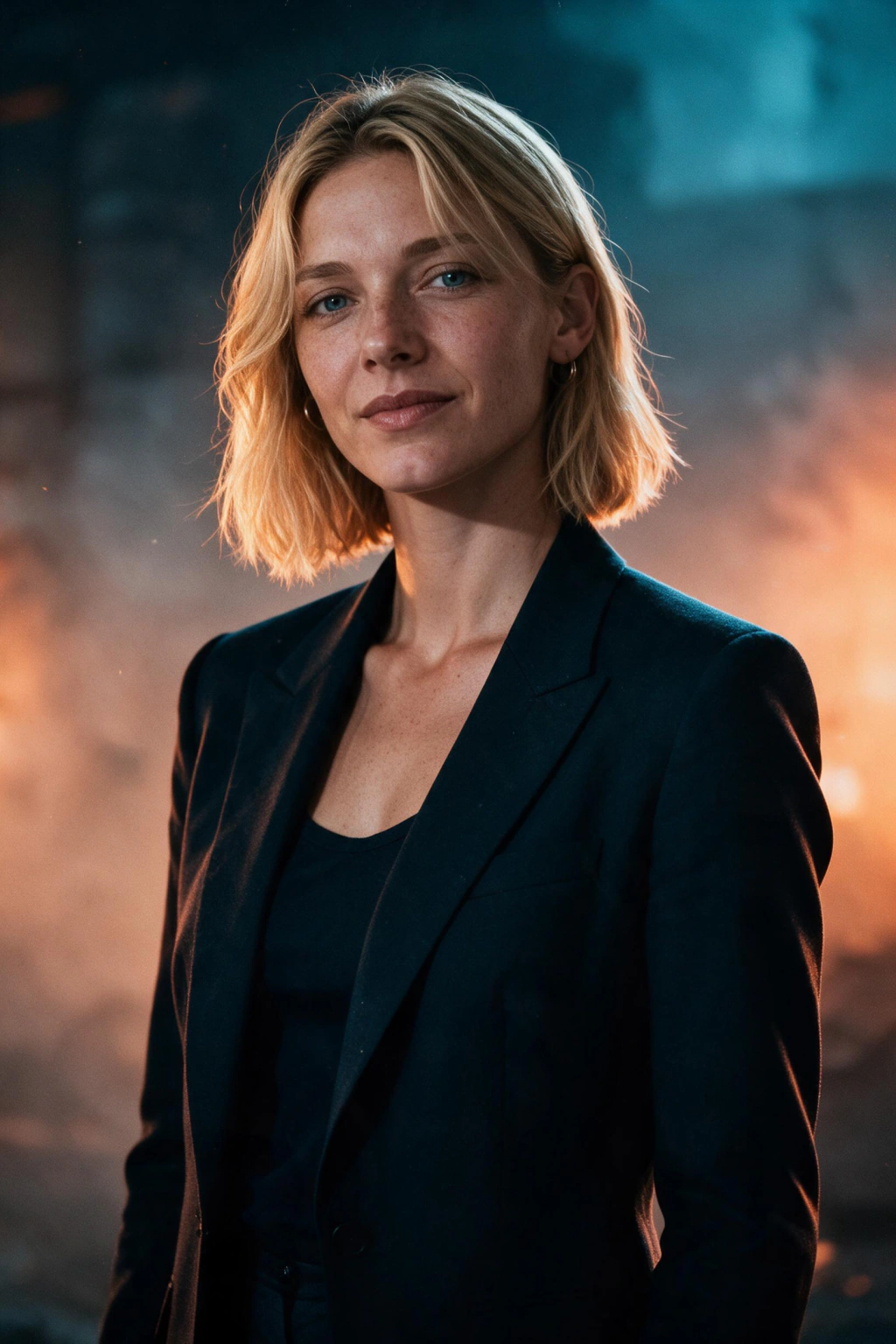
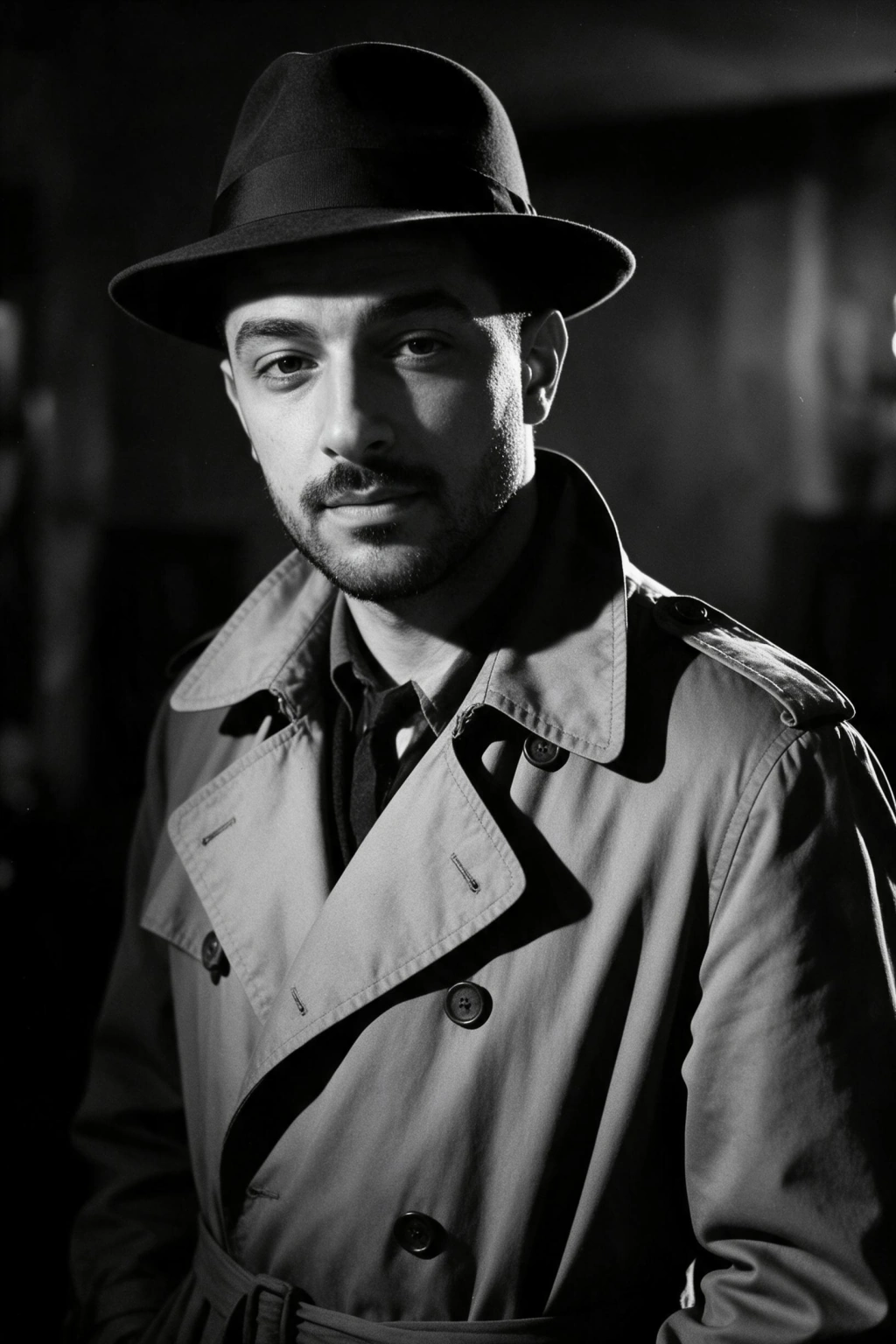
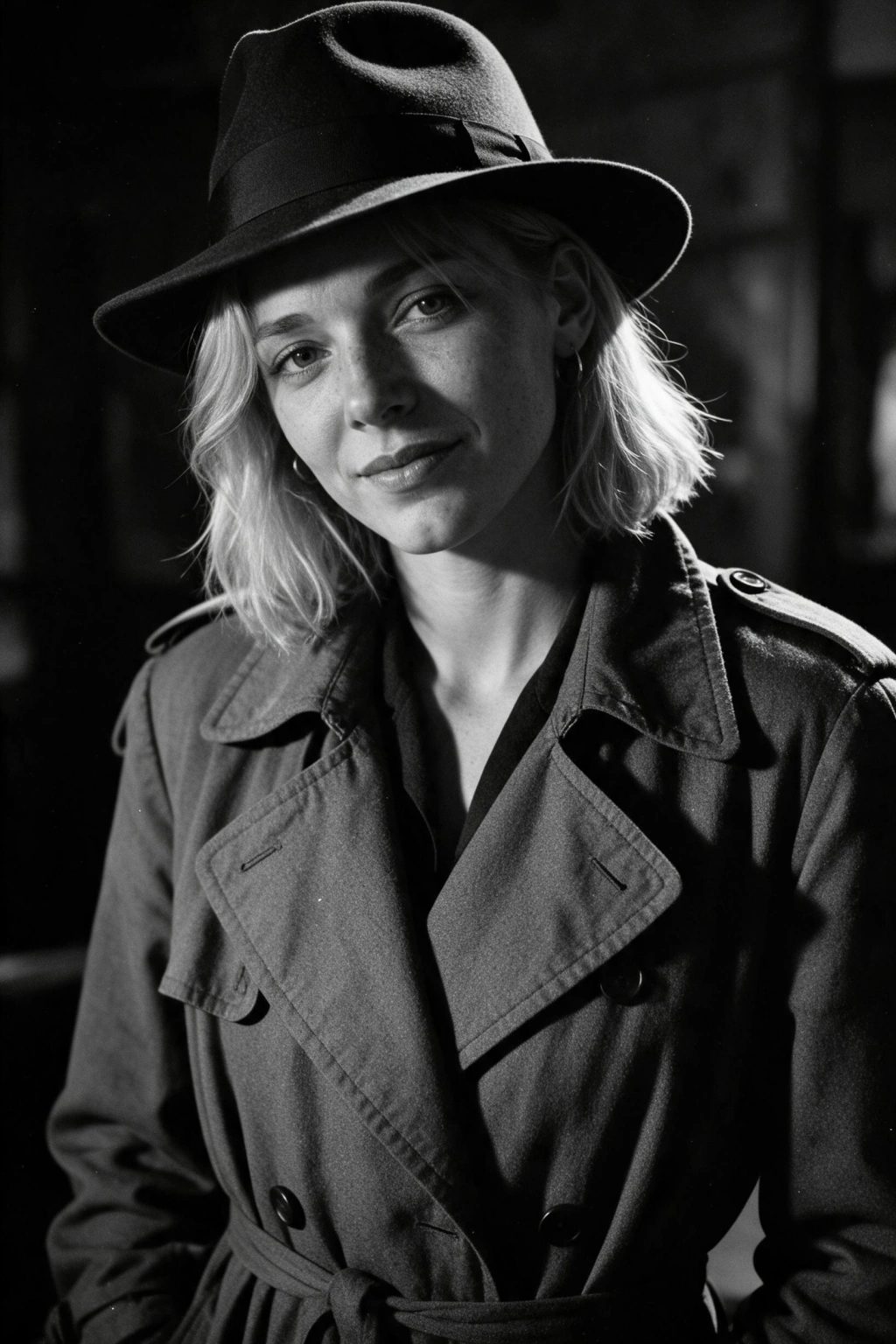
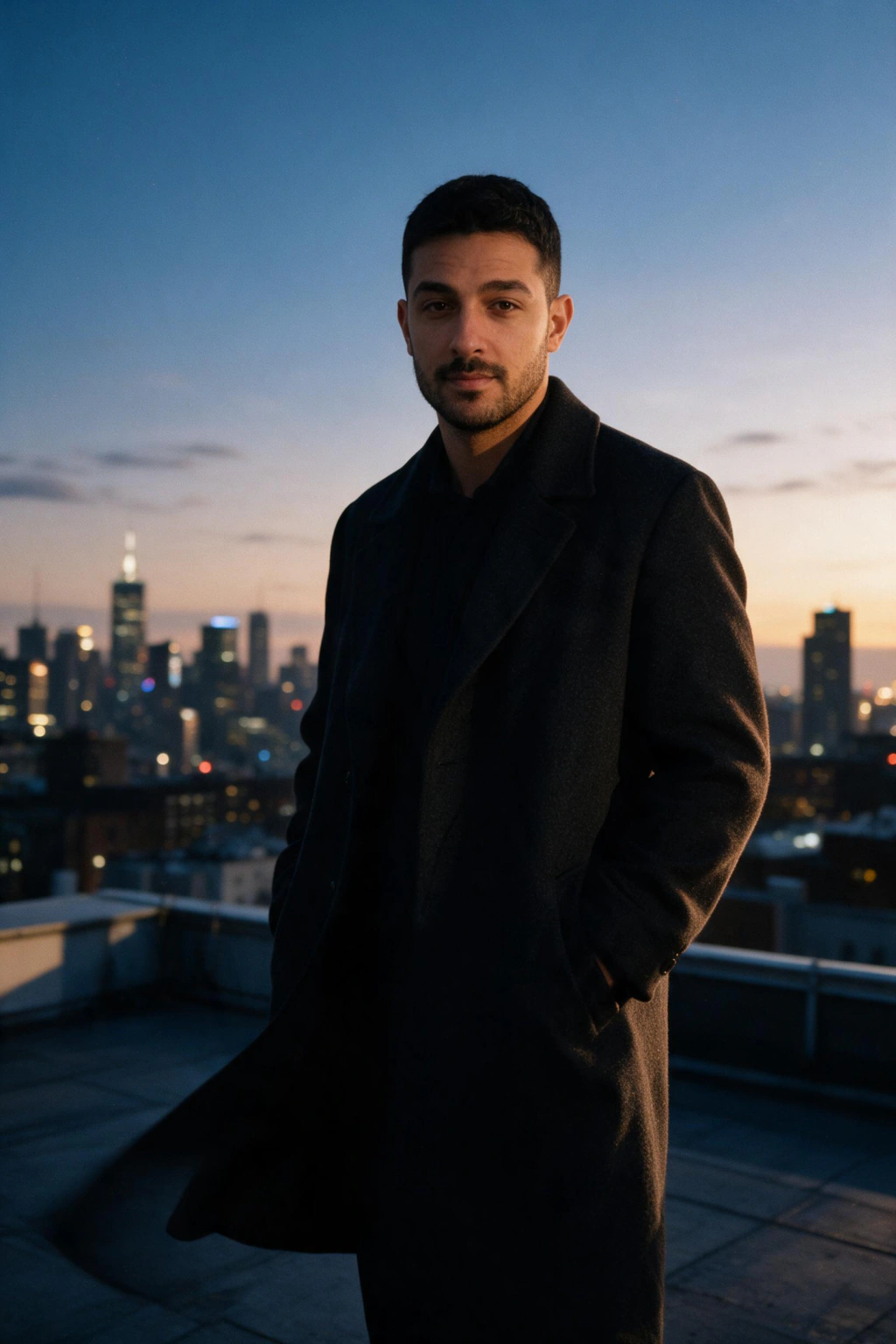
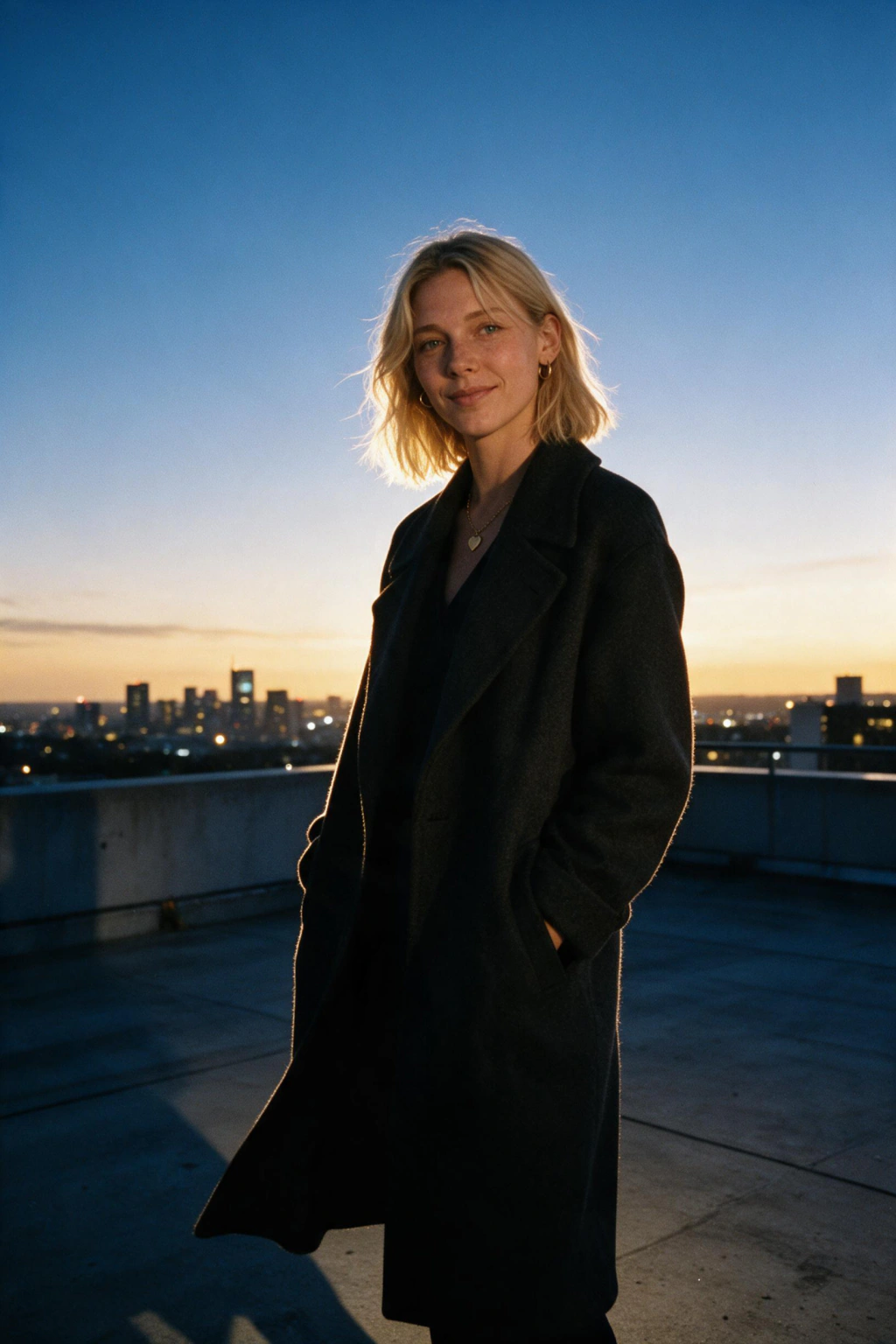
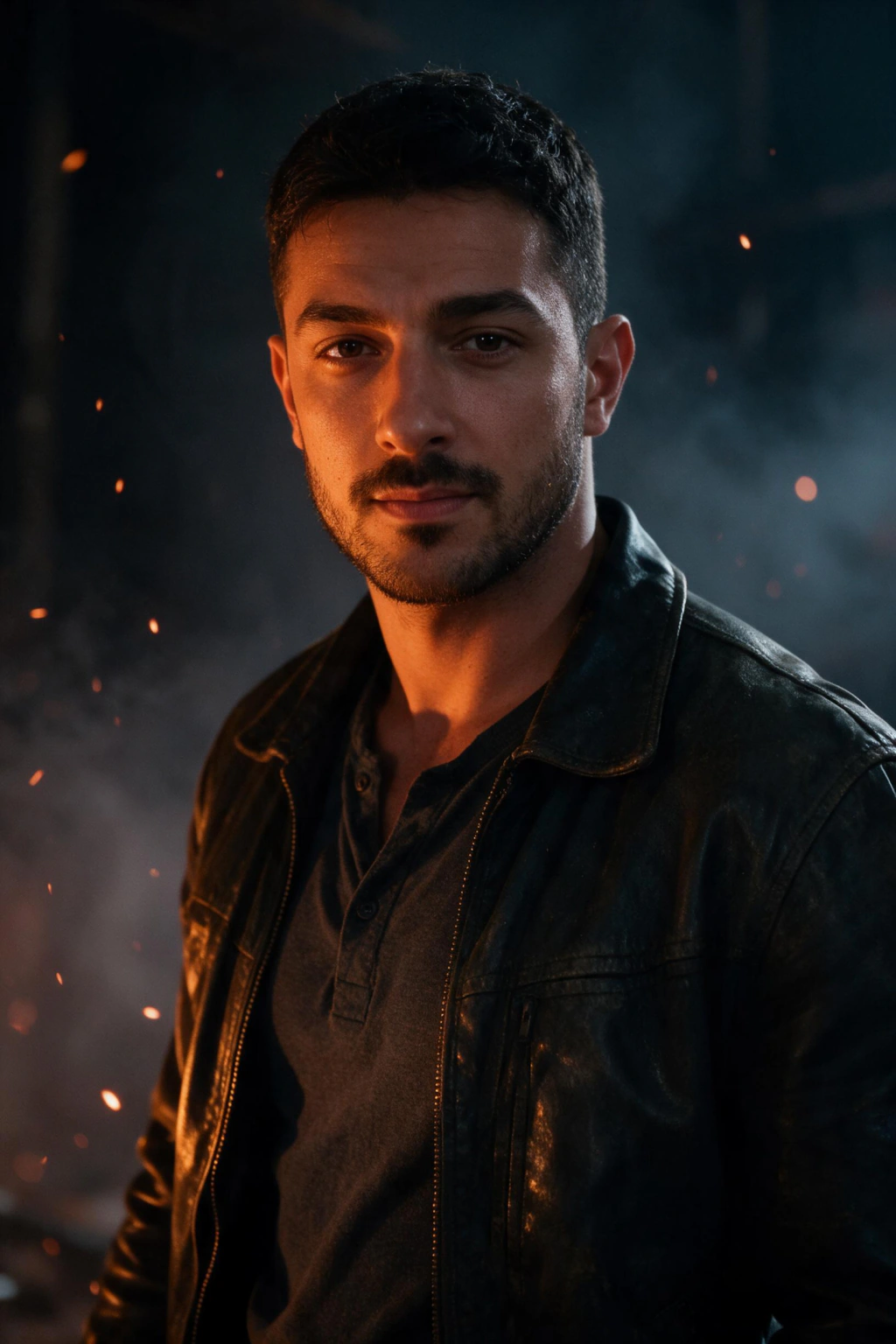
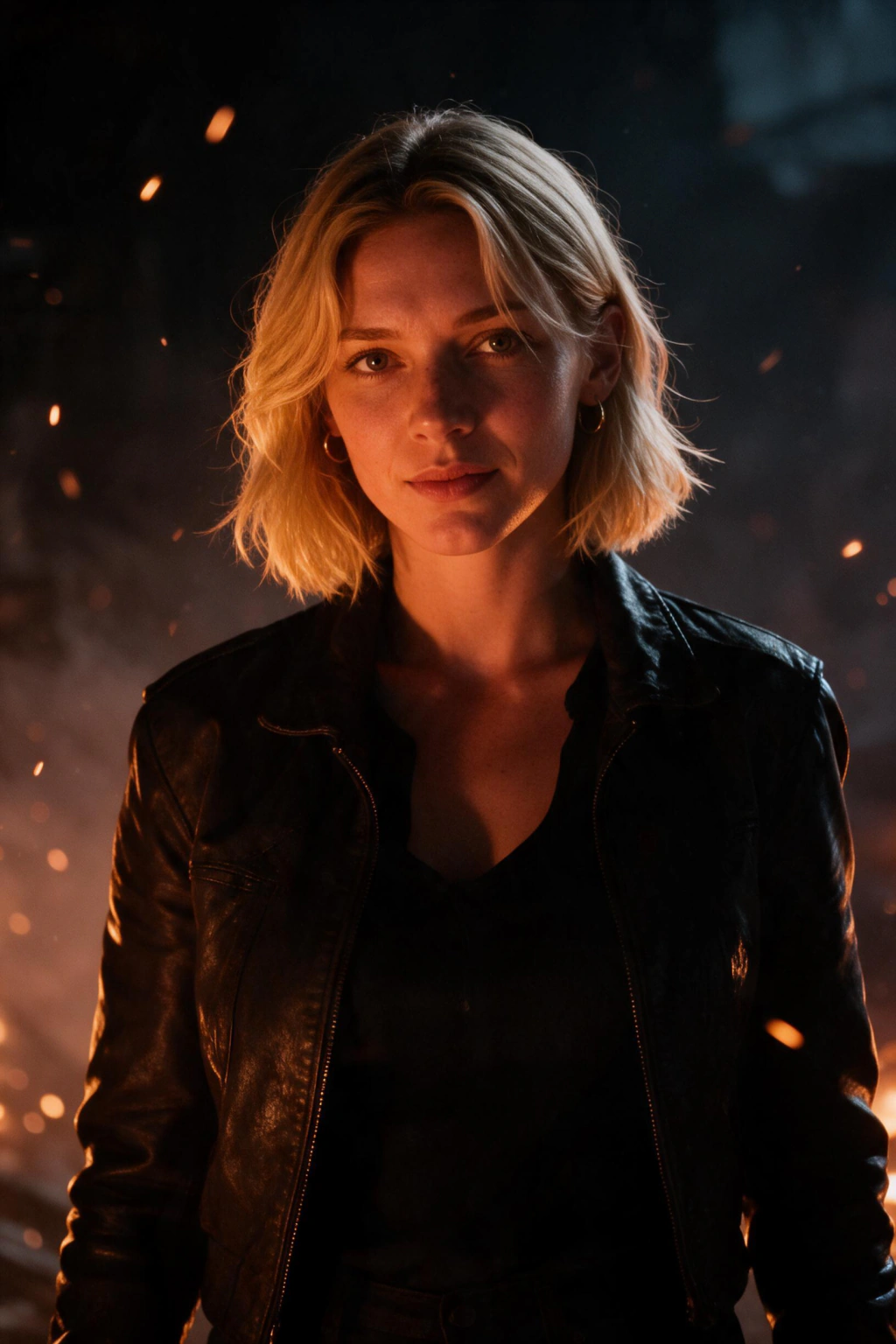
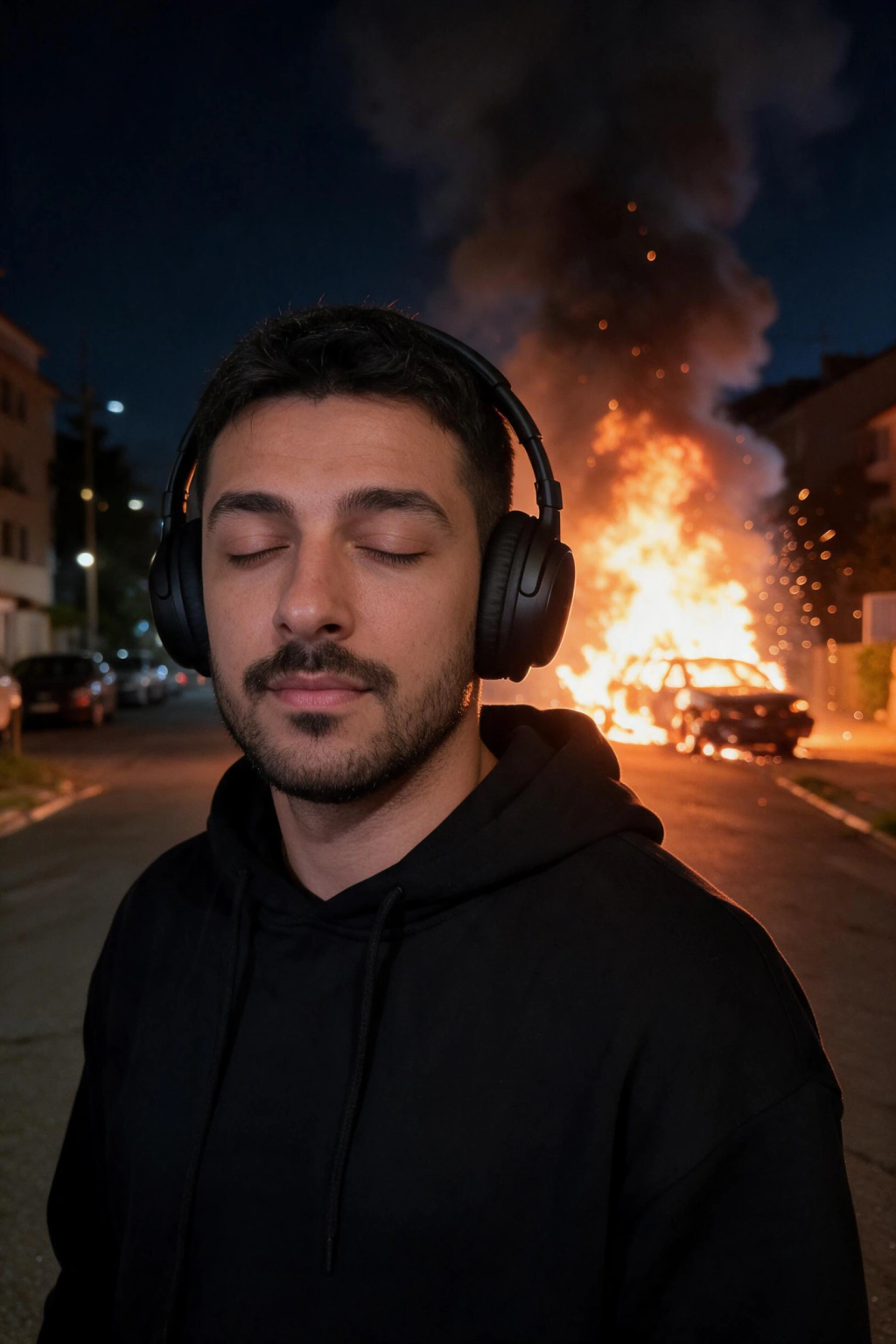
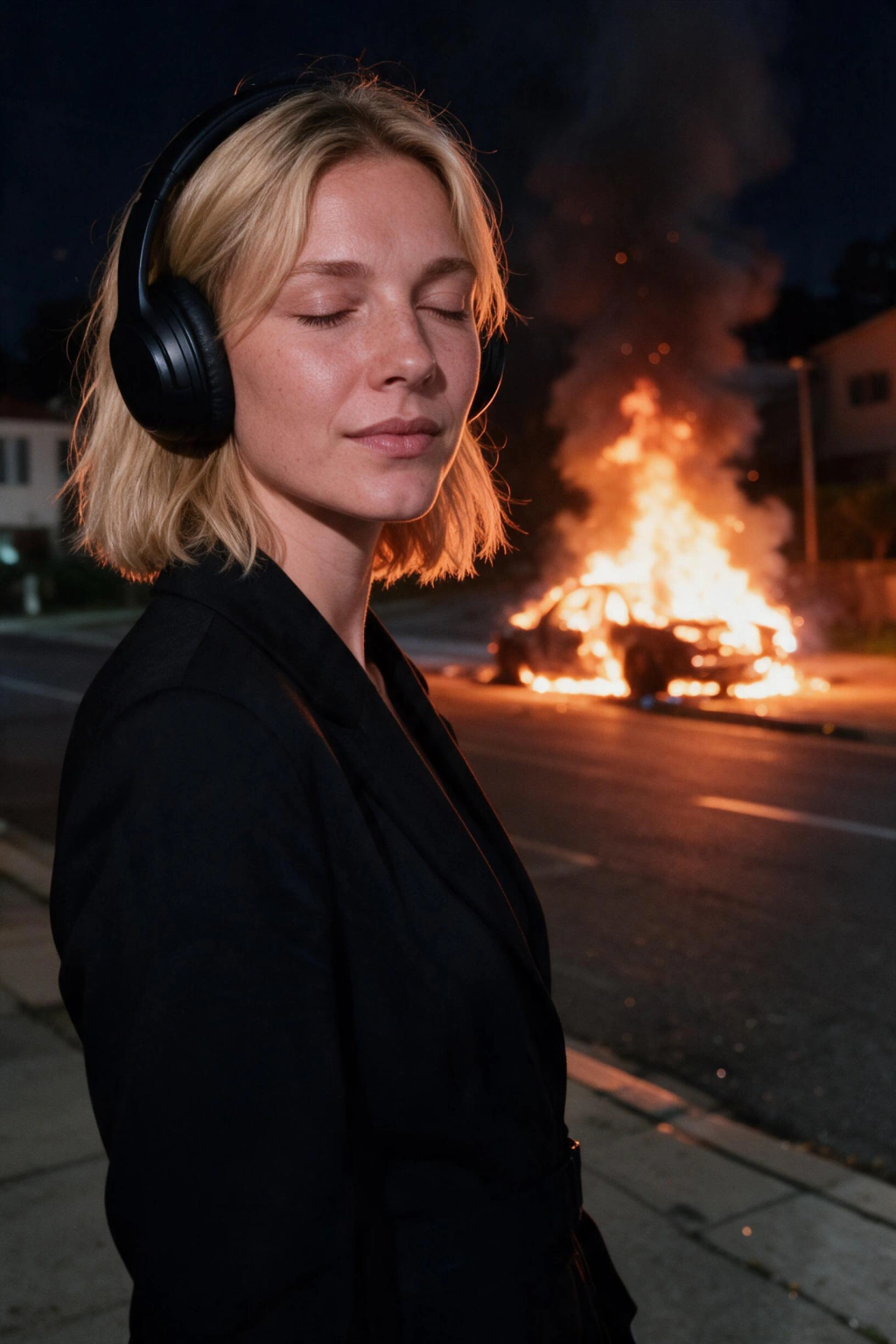
How do you make a movie poster of yourself with AI?
Pick a clear selfie, choose the cinematic look you want, and the AI places you at the center with studio-style lighting, a teal-orange color grade, and poster-ready composition. A close-up portrait gives the most dramatic result.
You get high-resolution images you can crop for a profile picture or print as a poster. Generate several looks from the same upload, so you can compare a noir version against a neon cyberpunk one before you commit.
Frequently asked questions
What is an AI cinematic portrait?
An AI cinematic portrait is a photo of you generated with movie-style lighting, color grading, and framing instead of a plain studio look. MakeAiPhotos builds one from a single selfie in about 2 minutes, in looks like movie poster, film noir, and neon cyberpunk, keeping your real face recognizable.
How many selfies do I need for a cinematic portrait?
Upload a single clear selfie in good light. A sharp photo helps the AI learn your face so the dramatic lighting and color grading land on the right features.
Does the AI keep my real face in these dramatic looks?
Yes. The AI changes the mood, lighting, and background but keeps your facial features recognizable, so a film noir shot and a cyberpunk shot still clearly look like you.
What makes a portrait look like film noir?
Film noir uses low-key lighting, hard shadows, and high-contrast black and white, with part of the face thrown into darkness. MakeAiPhotos applies that moody, mysterious look automatically from your selfie.
How do I get the neon cyberpunk portrait look?
Choose the cyberpunk style and the AI adds rain-soaked neon-lit streets, blue and magenta reflections on your face, and futuristic clothing like a sleek trench coat, while keeping your identity intact.
Can I use these cinematic portraits as a profile picture or print?
Yes. You get high-resolution files you can crop square for social profiles or print as a movie-style poster. The teal-orange grade and dramatic lighting hold up at large sizes.
Can I turn my cinematic portrait into a video?
Yes. Once your cinematic portrait renders, one tap animates that exact frame into a short clip, whether it's the neon cyberpunk street or the night explosion scene. It uses the same credits as a photo.
How much does it cost and what if I do not like the results?
It runs on one-time credits rather than a subscription. Every purchase comes with a 14-day money-back guarantee (terms apply), so you can try the cinematic looks with that protection in place.
Do I own the cinematic portraits I create?
Yes. The high-resolution files are yours to download, post, or print as posters, including commercial use. Every render also stays in your gallery so you can come back for a different look later.
What happens to my selfie after the portraits render?
It stays private. The upload is used only to generate your own portraits, never appears in anyone else's results or a shared dataset, and you can have it and every generated image deleted on request.
What movie genres do the 7 cinematic looks cover?
Film noir covers crime thriller, neon cyberpunk covers sci-fi, fire sparks and the night explosion read as action, and the movie poster look fits blockbuster drama. The rainy street and rooftop dusk looks work for moody romance or mystery. Generate 2 or 3 genres from the same selfie and pick the one that fits you.
Can I make a movie poster of myself?
Yes. Upload one selfie, pick the movie poster look, and you get a new cinematic portrait of you with hard key light, rim light, and a teal-orange grade in about 2 minutes.
How is this different from a movie poster template maker?
Template tools paste your existing photo into a preset layout, so the lighting on your face never matches the scene. MakeAiPhotos generates new photoreal shots of your face with the cinematic lighting built in, so a noir shadow or neon reflection actually falls across your features.