Cause 1: your lead photo does not show your face
This is the most common cause and the easiest to miss, because you know what you look like and cannot un-know it when you look at your own profile.
Sunglasses, a hat brim, a group shot, a distant full-body frame, or a heavy filter all produce the same outcome: the person deciding cannot resolve your face in the second they give you, so they move on.
The test is blunt. Show your lead photo to someone who has never met you and ask them to point at you. If it takes longer than a second, that photo is costing you every like you are not getting.
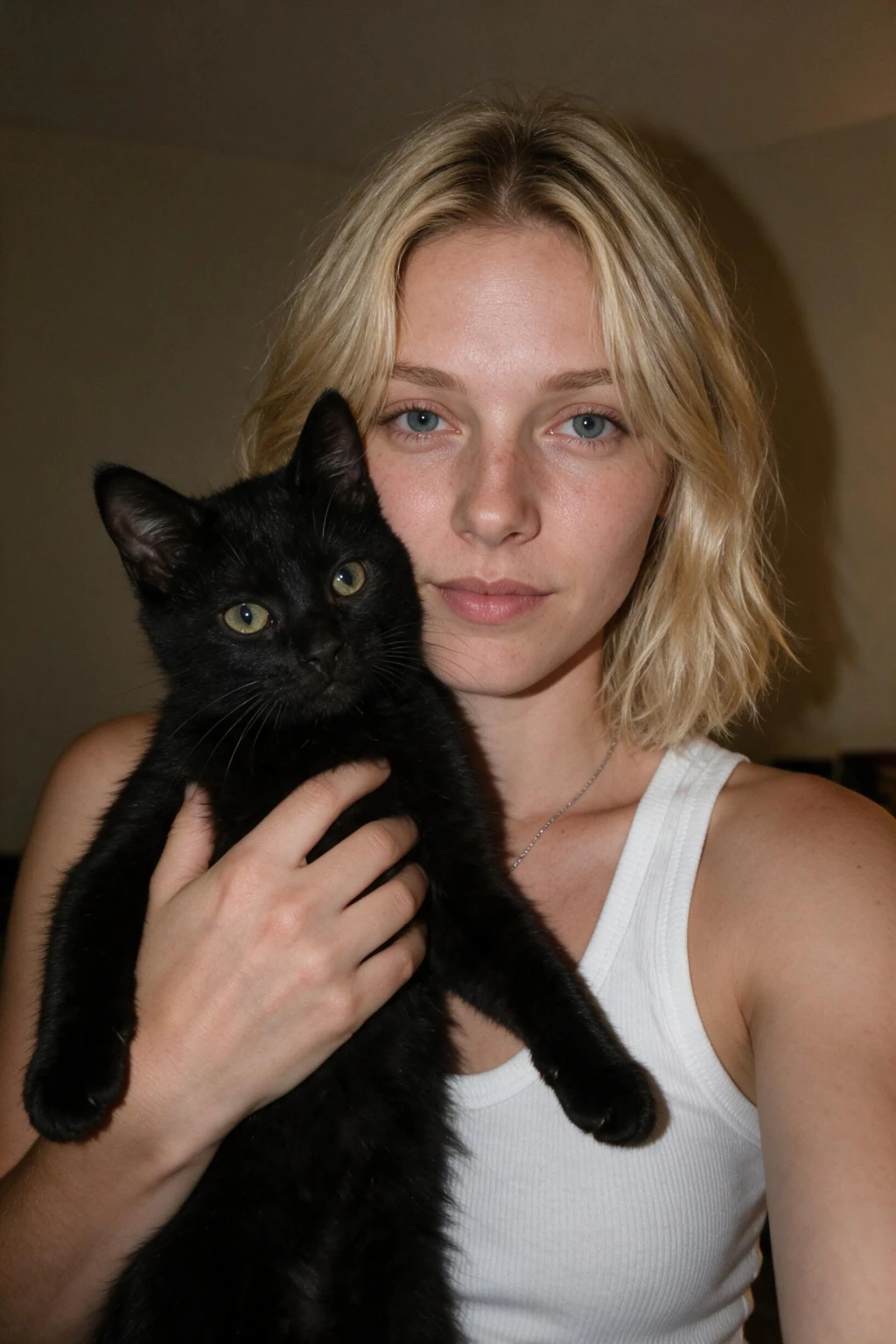
Fix: a chest-up shot, face filling roughly 40 to 60 percent of the frame, both eyes visible, lit from the front.
These five photo problems sink a lead photo and the grid behind it.

One phone selfie to 5 AI photos of the same person






Bad lighting
Harsh overhead light, dim rooms, or backlight that hides your face. Good lighting can completely change a photo.
Bad lighting can make anyone look tired, which reads as low effort.
Low-quality camera
Pixelated, compressed, or blurry images from a low-resolution shot or a dirty lens.
Pixelated photos instantly lower perceived quality, even when you look great.
No variety
Six selfies from the same angle in the same room. They tell people nothing about your life.
A set with no range gives the algorithm and the viewer nothing to reward.
No social proof
Only tight face shots and no sign of a life. People want to see what you do, not just what you look like.
A profile with no lifestyle or social context feels incomplete and forgettable.
Looking unapproachable
A flat, serious expression in every frame. A relaxed smile beats a stern face most of the time.
Unapproachable photos read as closed off and get skipped.
Cause 2: your filters have emptied the pool
Hinge applies Dealbreakers as hard filters before ranking anything, so each one you set removes people permanently rather than deprioritising them.
Stack four or five Dealbreakers with a tight distance radius and a narrow age band, and the remaining pool in most cities is small enough to exhaust in a week of normal swiping.
The symptom is distinctive: you stop seeing new people rather than seeing new people who ignore you. If your feed is repeating faces, this is your cause.
Fix: turn off every Dealbreaker that is a preference rather than an actual dealbreaker, and widen distance by ten miles.

Cause 3: six slots, one photo
Hinge attaches likes and comments to a specific photo, so a profile of six near-identical selfies offers one thing to react to, six times.
Hinge own published photo research found selfies get roughly 40 percent fewer likes, and bathroom or mirror selfies about 90 percent fewer. A profile built entirely from them is fighting that on every slot.
Fix: six different scenes. Different background, different light, different clothes. If your camera roll cannot supply that, one clear selfie is enough to generate the rest.

Cause 4: you have gone quiet
The algorithm deprioritises profiles that are unlikely to reply, because showing you costs an impression it could spend on someone reachable.
A few weeks away is enough to be noticeable when you come back, and the recovery is not instant.
Fix: short, regular sessions. Ten minutes most days beats two hours every second Sunday, because the signal being read is whether you are around now.
Cause 5: your prompts cannot be answered
A prompt that states a fact gives nobody an opening. A prompt that invites a specific reply gets one.
The failure mode is the closed statement: naming a favourite film, listing three adjectives, quoting song lyrics. There is no move available to the reader.
Fix: pair a prompt with a photo so the picture supplies the opening. A recognisable place in the photo and a prompt about it gives a match two reasons to comment rather than none.
Cause 6: you like everyone
Hinge predicts mutual interest, so a like from an account that likes everything carries almost no information and is weighted accordingly.
It also flattens the model picture of your taste, which degrades the quality of everything it shows you afterwards.
Fix: like fewer people, and comment when you do. Comment-attached likes convert to conversations at a much higher rate than bare ones.
Cause 7: the profile reads as old
Photos that are visibly several years out of date get skipped by people who would otherwise match, because the gap between profile and person is the thing everyone is afraid of.
This one is invisible to you and obvious to everyone else, which is why it survives so long.
Fix: make sure at least the lead photo reflects your current hair, weight and glasses. Everything else can be older.
Frequently Asked Questions
- How long should it take to get matches on Hinge?
- With a complete profile and normal filters, likes usually start within a few days. If a week passes with nothing at all, the cause is almost always the lead photo or the filters rather than anything subtle.
- Does Hinge hide your profile if you do not pay?
- No. Paid tiers add filters and Roses, which changes who you can reach, but free profiles are ranked by the same prediction of mutual interest and are shown normally.
- Should I delete and remake my Hinge profile?
- Rarely worth it. You lose your matches and history, and if the underlying profile is unchanged the new account settles at the same level once its new-user window ends. Fix the photos first.
- Why do I get likes but no conversations?
- That is a different problem from no matches, and it usually sits in the prompts rather than the photos. If your photos are working well enough to earn likes, the opening is what is missing.
- Does changing my photos help immediately?
- Not immediately, but quickly. The model keeps learning from every impression, so a stronger set starts changing your like rate within days. There is no reset and no penalty for editing.
- Is it me or the algorithm?
- Check the seven causes above before concluding it is the algorithm. In practice the first two explain most quiet profiles, and neither is about you.