The honest answer: worth it for presentation, not for a new identity
AI dating photos are worth it when they make you look like a better version of yourself, and they stop being worth it the moment they make you look like a different person. That is the whole answer most sites skip because they are trying to sell you something.
People searching this question are usually skeptical for a good reason. They do not want to catfish anyone, they just want better photos. That instinct is correct, and it is also exactly where AI photos either earn their keep or fail you.
Do they get more matches? Yes, when the photos are better lit, better composed, and still recognisably you. The goal is never the match. The goal is the second date, where the person across the table looks like the profile they swiped on.
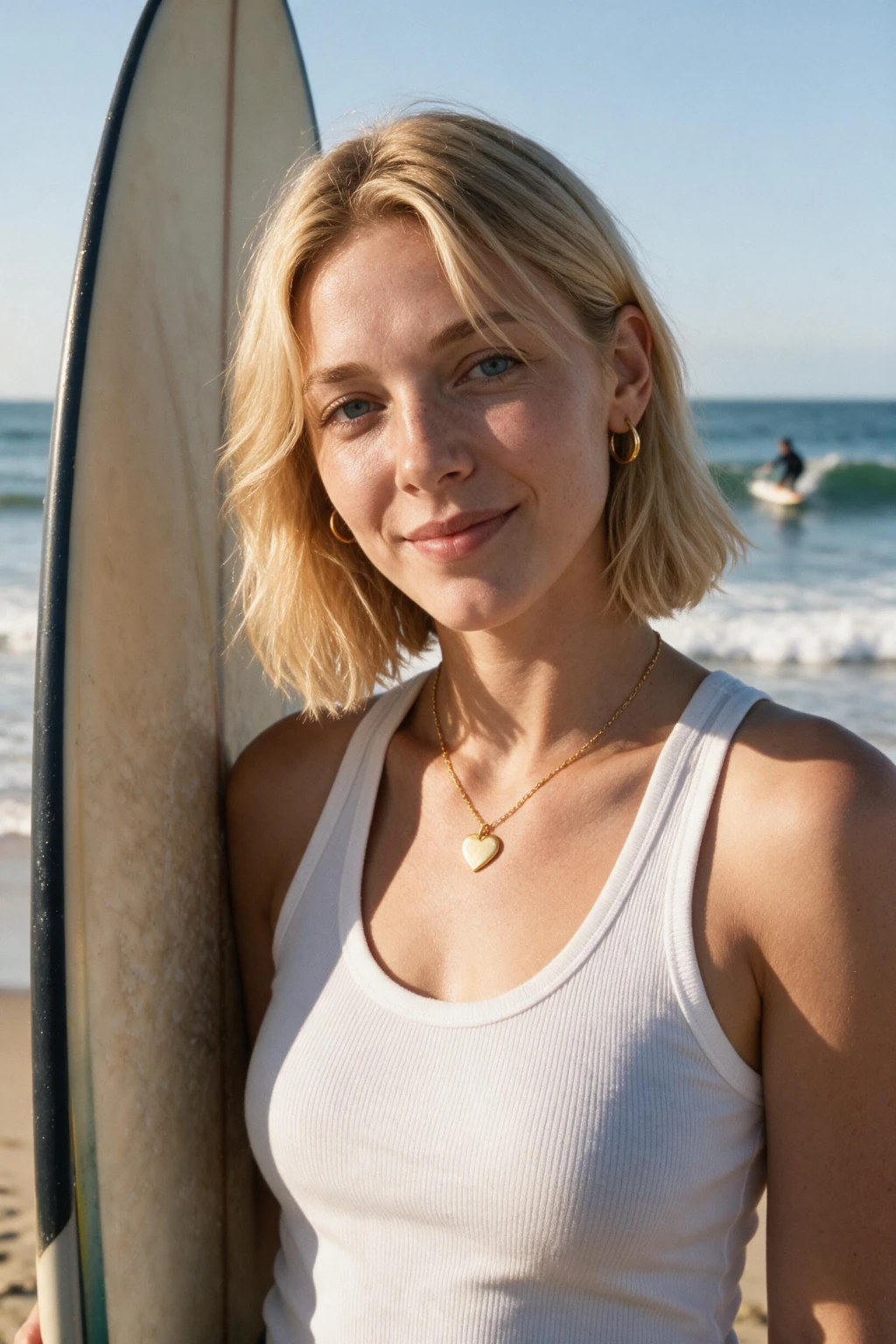
One phone selfie to 5 AI photos of the same person
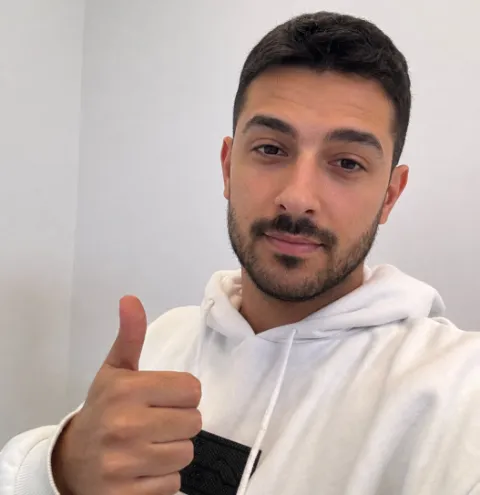
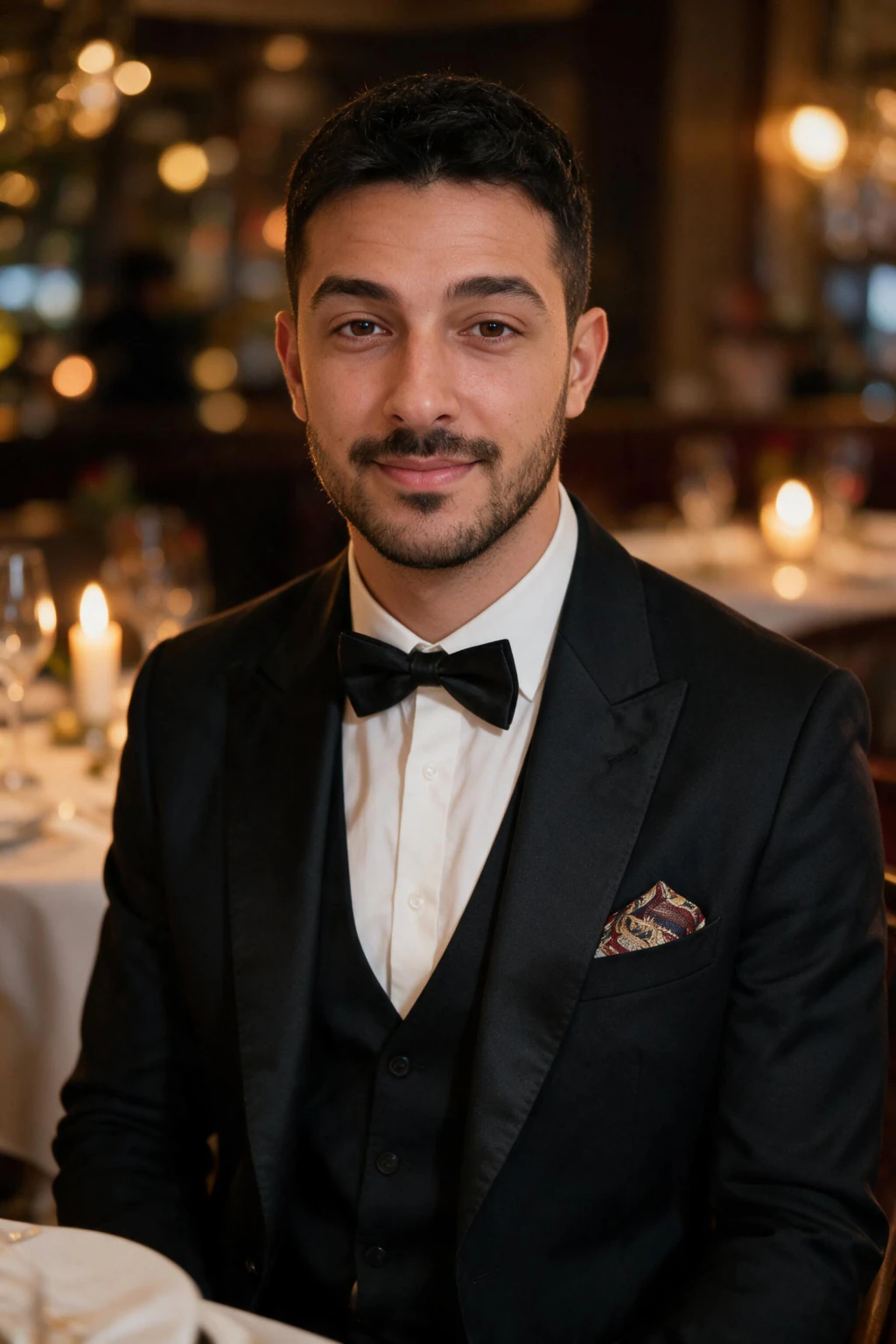
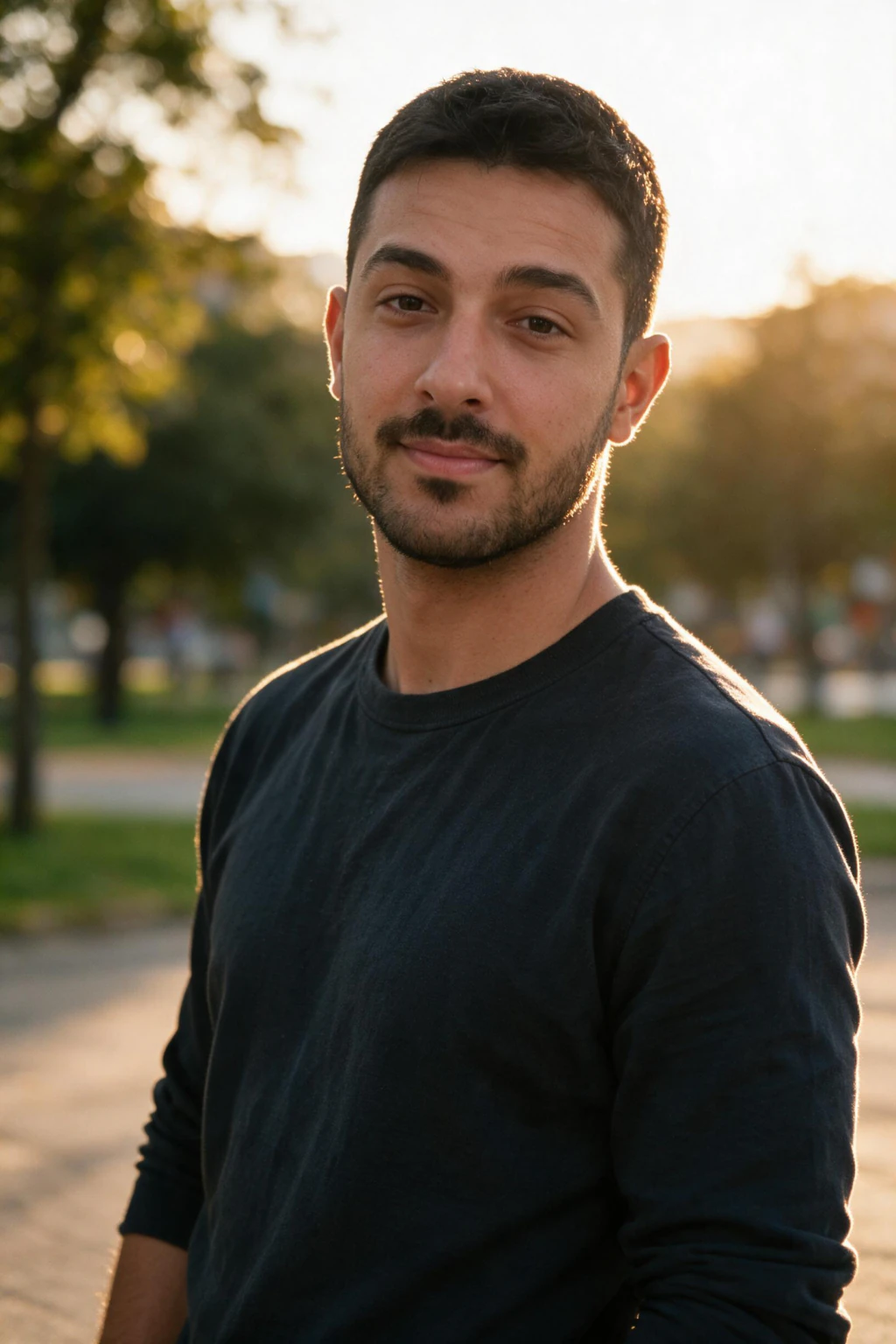
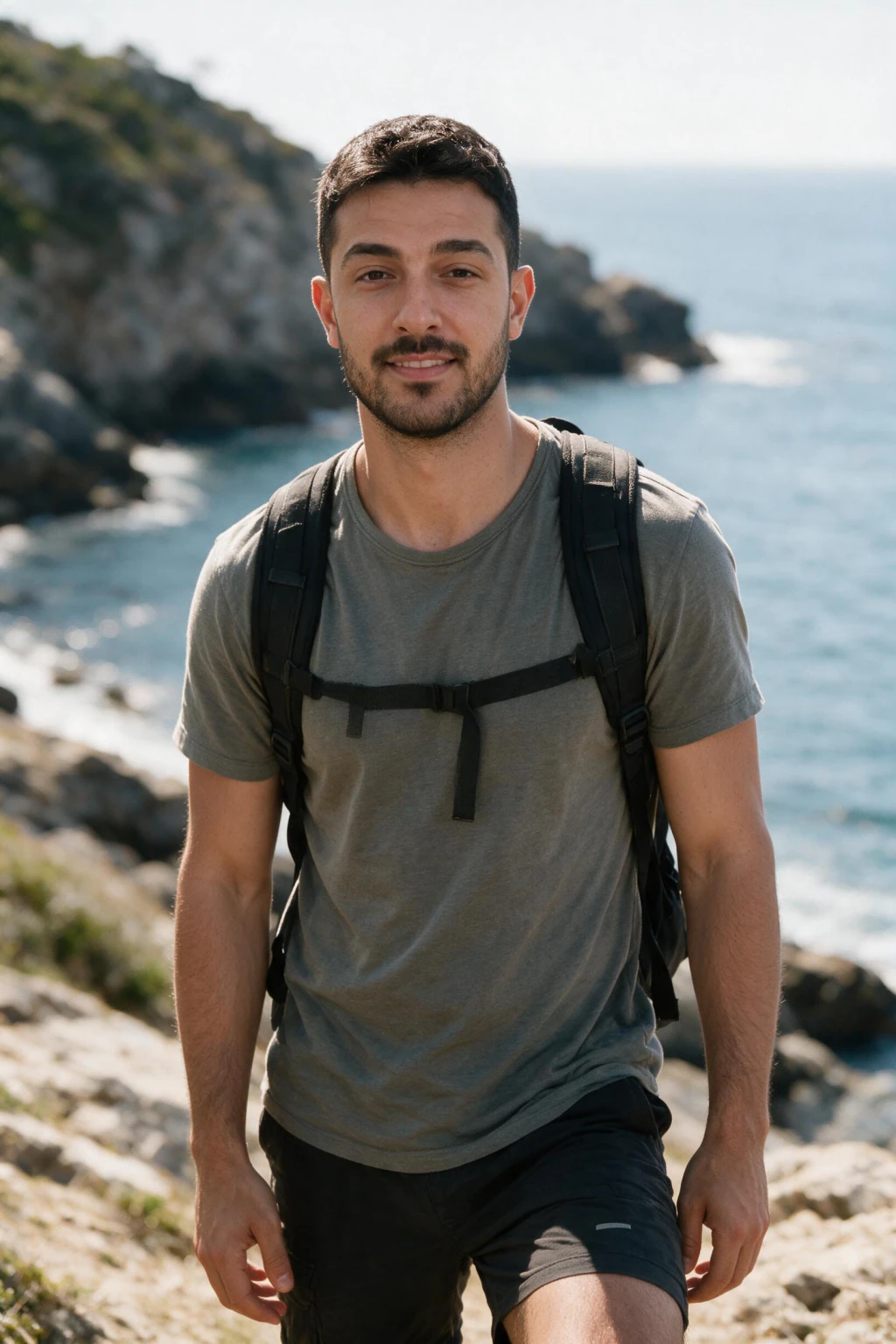
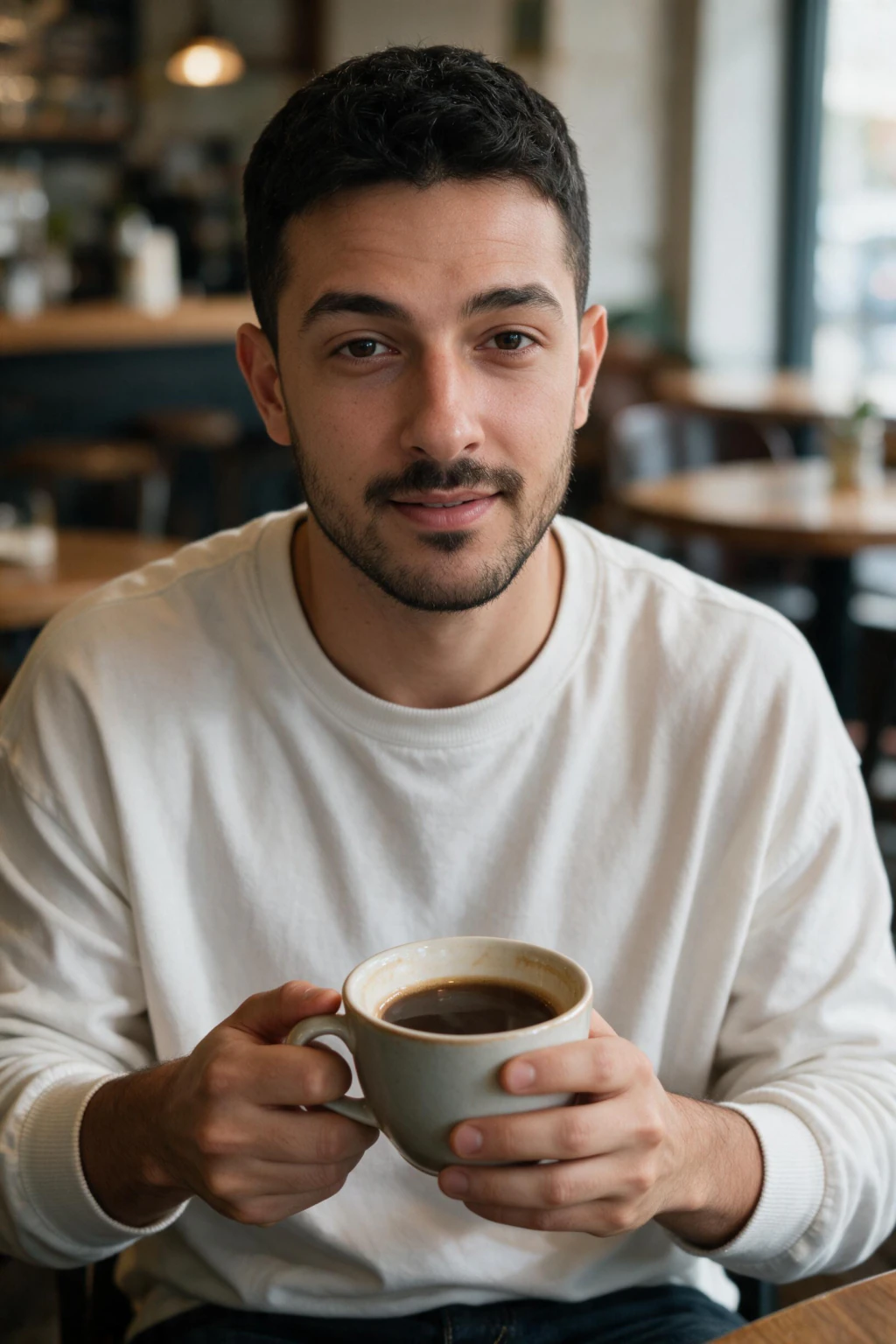
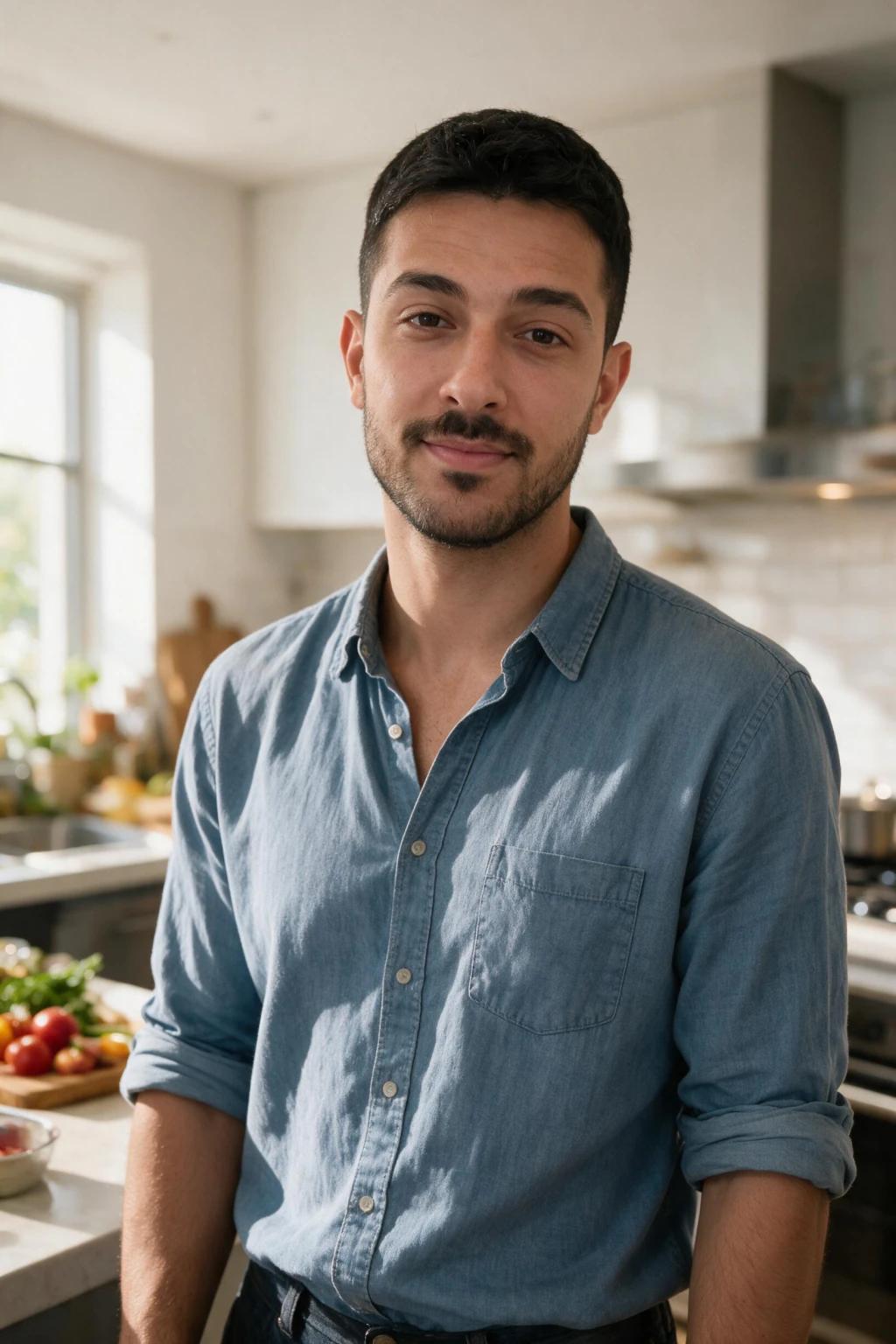
Do AI dating photos work, and why most profiles fail
AI dating photos work because most people do not have good pictures, and it has nothing to do with being unattractive. They have bathroom selfies, blurry group photos, old vacation shots, bad lighting, and awkward angles.
Your competition on a dating app is not professional models. It is other regular people with slightly better photos than yours. That is the entire game, and it is why photo quality moves your match rate so much.
This is also why a simple upgrade in presentation can change your results overnight, without you looking any different in person.
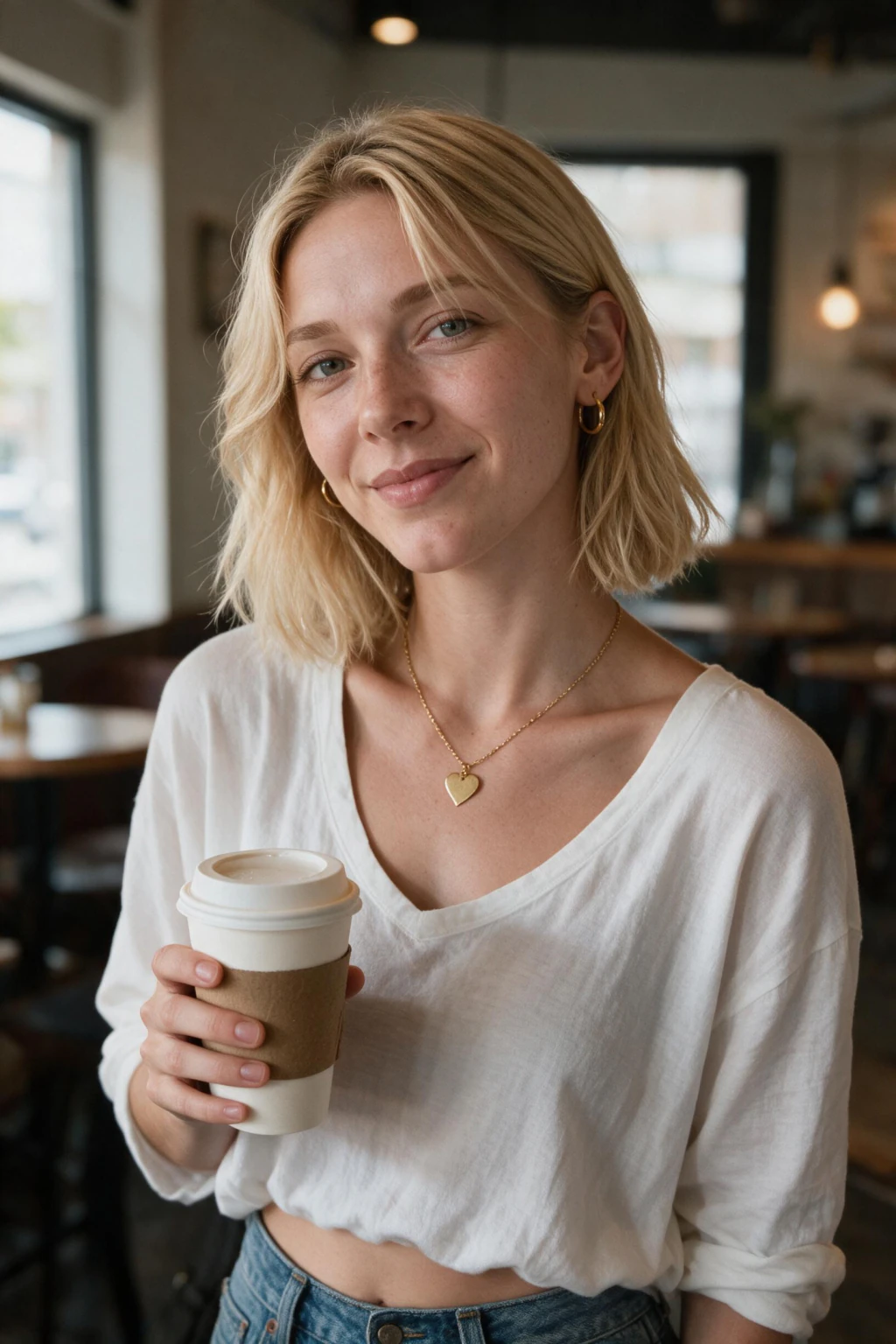
Should I use AI photos on Tinder? When they help
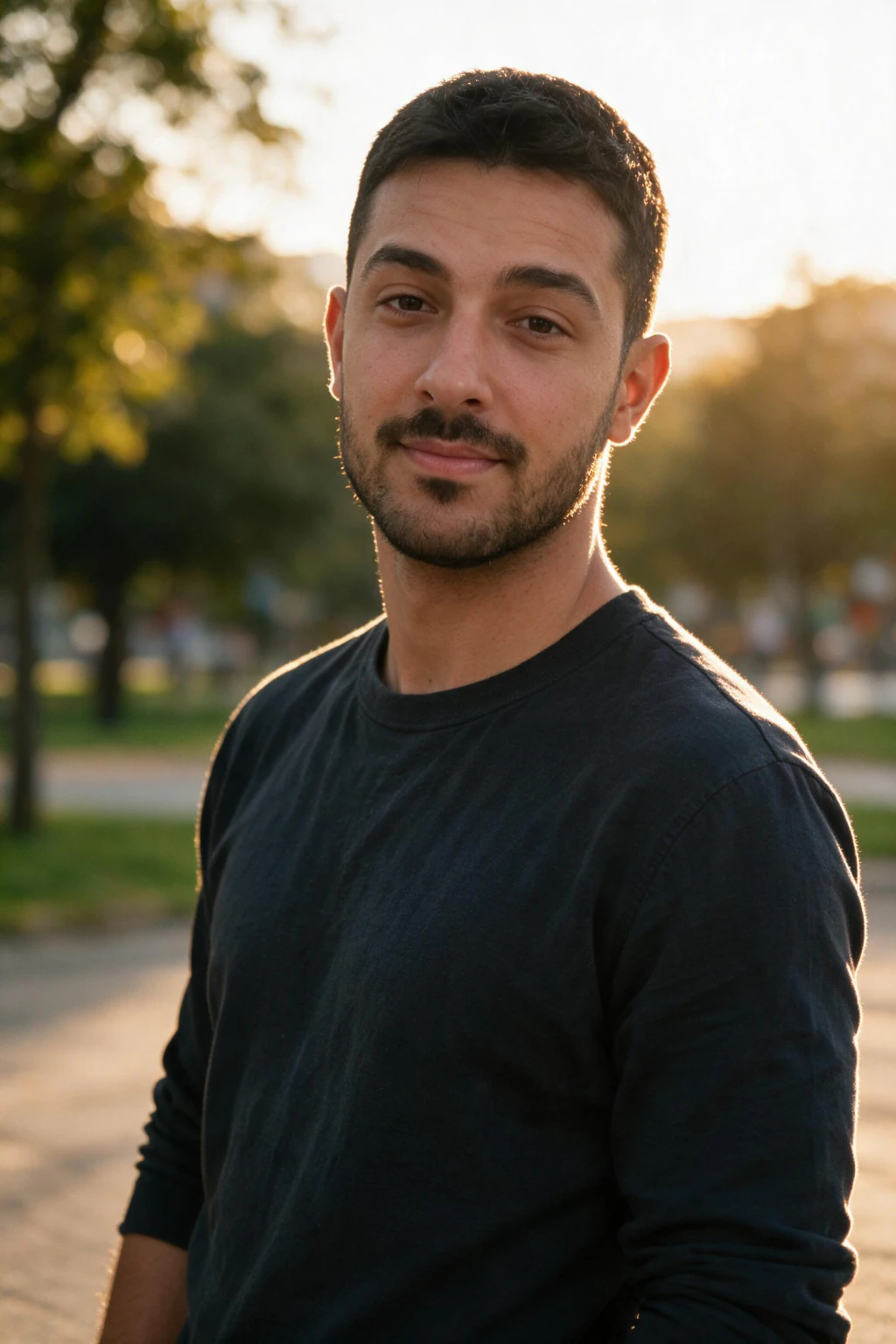
You should use AI photos on Tinder when they fix the things a phone selfie gets wrong, while keeping you looking like you. Here is what they should be improving.
Lighting
Soft, even light instead of harsh overhead bathroom light or a dim bedroom. Good lighting alone can change how a face reads.
Bad lighting makes anyone look tired. Most no-match selfies fail here first.
Camera quality
A clean, sharp image instead of a pixelated or compressed front-camera shot.
Low resolution instantly lowers perceived quality, even when you look great.
Background
A real, uncluttered setting like a cafe, a park, or a city street instead of a messy room.
An interesting but believable background gives people something to message you about.
Wardrobe
A clean, well-fitted outfit that suits the setting, instead of whatever you happened to be wearing.
Wardrobe signals effort and self-awareness without saying a word.
Composition
A framed, intentional shot with your face well placed, instead of an arm's-length angle that distorts your features.
Good composition reads as a real photographer took it, which raises trust.
Are AI dating photos catfishing? When they hurt
AI dating photos cross into catfishing the moment they change who you actually are. These are the failure modes Reddit users call out again and again, because they create distrust before you ever meet.
Your jawline changes
The AI sharpens or reshapes your face into something that does not match your real bone structure.
The first thing people check in person is the face. A changed jawline is an instant tell.
Your body looks different
A slimmer or more muscular body than the one that shows up to the date.
This is the classic catfish complaint and it kills the second date.
Your age shifts
Smoothed skin and softened features that make you look five or ten years younger.
Age mismatches feel deceptive even when nothing else is wrong.
Skin becomes unrealistically perfect
Zero pores, zero texture, an airbrushed plastic finish no real camera produces.
Texture-free skin is the most common signal that a photo is fake.
Every image looks like a fashion shoot
Six high-gloss editorial frames with studio lighting that no normal person has.
Obvious AI or over-staged photos read as try-hard and lower trust.
How do you test AI dating photos on your own profile?
Use one profile with two arms of 15 days each. Keeping the same account removes the new-profile boost that ruins the two-account version.
Four confounds spoil most tests: the new-profile boost, day of the week, how many likes you send, and the number of photos. Keep your own swiping volume constant, swap all six photos at once, and compare days, not totals.
Treat 30 days as directional. If arm B doubles your likes and halves your dates, the photos flatter beyond what you deliver, and that is worth acting on.
| Day | What you do | What you record |
|---|---|---|
| Day 0 | Freeze the bio, prompts, filters and distance. Change nothing else for 30 days | Screenshot the settings |
| Days 1 to 15 | Run arm A: your current photos, unchanged | Daily likes received, matches, first replies |
| Day 15 | Swap all six photos to the generated set. Touch nothing else | Screenshot both sets |
| Days 16 to 30 | Run arm B: the generated photos | Same three numbers, same time each day |
| Day 30 | Compare arm A and arm B day by day, not as totals | Like rate, reply rate, date rate |
The one rule that keeps AI photos honest
Before you use any AI dating photo, ask yourself one question. If you met someone tomorrow, would they say you look like your photos?
If the answer is yes, use them. If the answer is no, regenerate them with a clearer selfie until the output matches the real you. Think of AI as a photographer, not a face replacement.
AI dating photos are worth it if they improve how you present. They are not worth it if they change your identity. Keep that line and the photos work for you instead of against you.
How to generate AI dating photos that still look like you with MakeAiPhotos
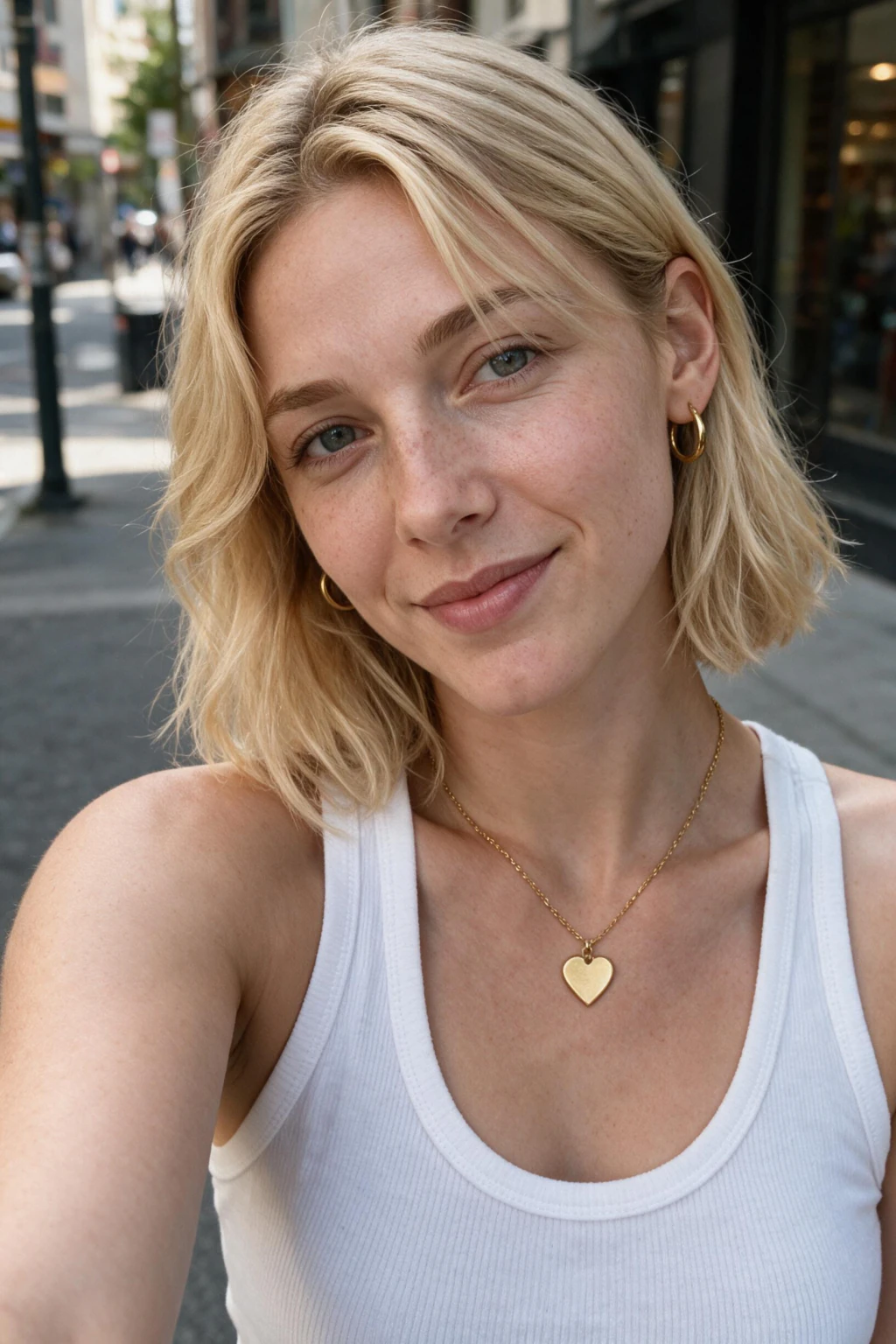
MakeAiPhotos reads your own single selfie for your features, proportions, and skin tone, then generates new photos of you in different settings. Every output is you, not a generic AI face.
Upload one clear selfie in soft natural light, straight on and slightly to each side, with no heavy filters or sunglasses. Pick natural lifestyle packs like travel or casual over dramatic editorial ones, because realistic settings keep the photos believable.
Generate the batch, then review each photo at thumbnail size, which is how people actually see it in the feed. Keep the frames that pass the look-like-me test and mix in one or two real candids so the whole profile reads as authentic.
Frequently Asked Questions
- Do AI dating photos actually get more matches?
- Yes, when they are better lit and composed than your current photos and still look like you. Profiles with high-quality, varied photos consistently outperform profiles built on selfies. The lift comes from better presentation, not a different face, so the match converts to a real date.
- Are AI dating photos catfishing?
- Only if they change your identity. A photo that fixes lighting, background, and composition while keeping your real face, body, and age is enhancement, not catfishing. If your jawline, body, or age changes, it crosses into deception and hurts you when you meet in person.
- Can people tell if your dating photos are AI?
- They can when the photos look fake: plastic skin with no texture, studio lighting no phone produces, or six editorial frames. They generally cannot tell when the photo looks like a normal good photograph of you. Realistic settings and visible skin texture are what keep AI photos believable.
- Are AI photos allowed on Tinder and Hinge?
- Yes. Tinder and Hinge do not ban AI-generated photos, as long as the photos accurately represent your appearance. AI photos generated from your own selfies show the real you in different settings, so the person in the photo is still you with better photography.
- How do I make AI dating photos look like me?
- Upload one unfiltered selfie in good light so the model learns your real face. Choose natural lifestyle styles over dramatic ones, then keep only frames that pass the look-like-me test at thumbnail size. If a result drifts from your features, upload a clearer selfie and regenerate.
- What does Reddit say about AI dating photos?
- Across dating subreddits the verdict is consistent: people are fine with AI photos that improve lighting, setting, and quality, and they turn on photos that change your face, body, or age. The recurring Reddit complaint is the match who looks nothing like their pictures. Keep the photos recognisably you and the Reddit objection disappears.