How do you take and submit modeling digitals? The 60-second answer
This guide is for anyone about to submit photos to a modeling agency in 2026. Modeling digitals (also called polaroids) are unretouched photos you take against a plain wall in natural light with your phone. Agencies want 4 to 8 shots: front smiling, front neutral, both profiles, and full body, in fitted black clothing with no makeup.
A complete submission folder has four photo types. Digitals or polaroids: 4 to 8 unretouched phone shots, plain background, fitted clothing, no makeup. Comp card: a printed card with your top photos and stats, made by the agency after you sign, not before.
Headshot: one clean collarbone-up shot in soft natural light, light retouching is fine here. Full-body shots: 2 to 3 photos showing your real proportions in fitted clothing or swimwear.
Top tier agencies (Elite, Ford, IMG, Wilhelmina, Next) want unretouched digitals only and reject AI-generated or heavily retouched submissions. If you want to test which editorial, commercial, or lifestyle looks suit you before booking a real photographer, build an exploratory portfolio with the modeling editorial AI photo pack first.
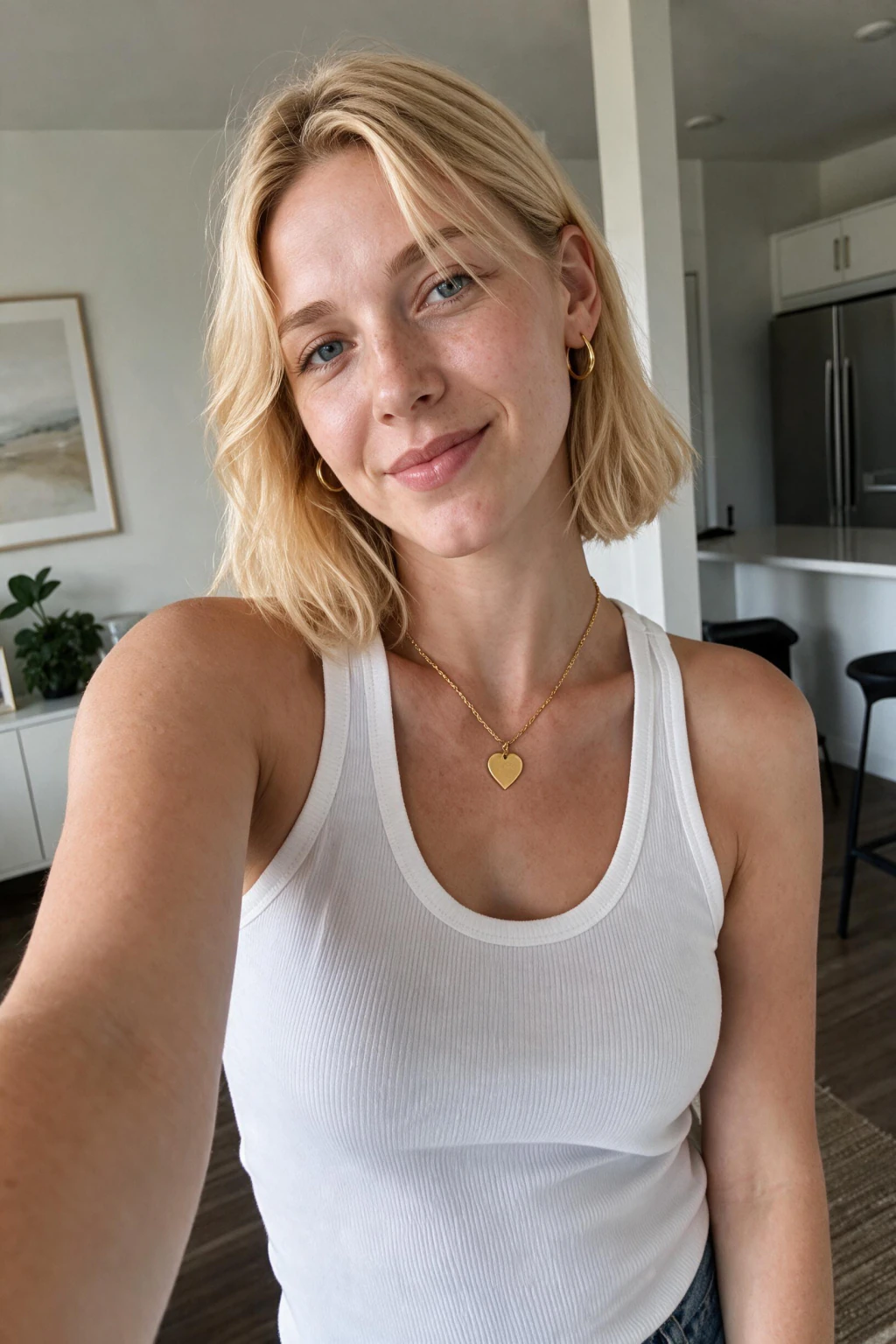
One phone selfie to 5 AI photos of the same person
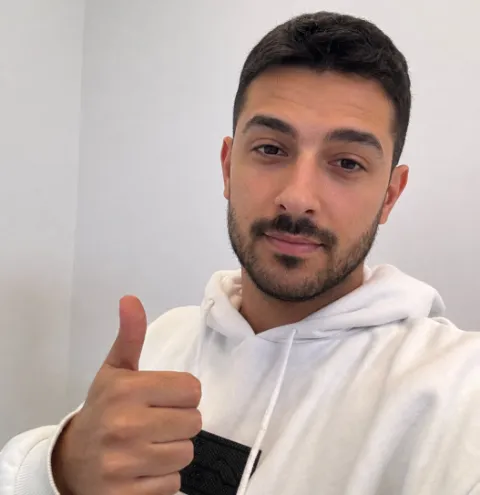
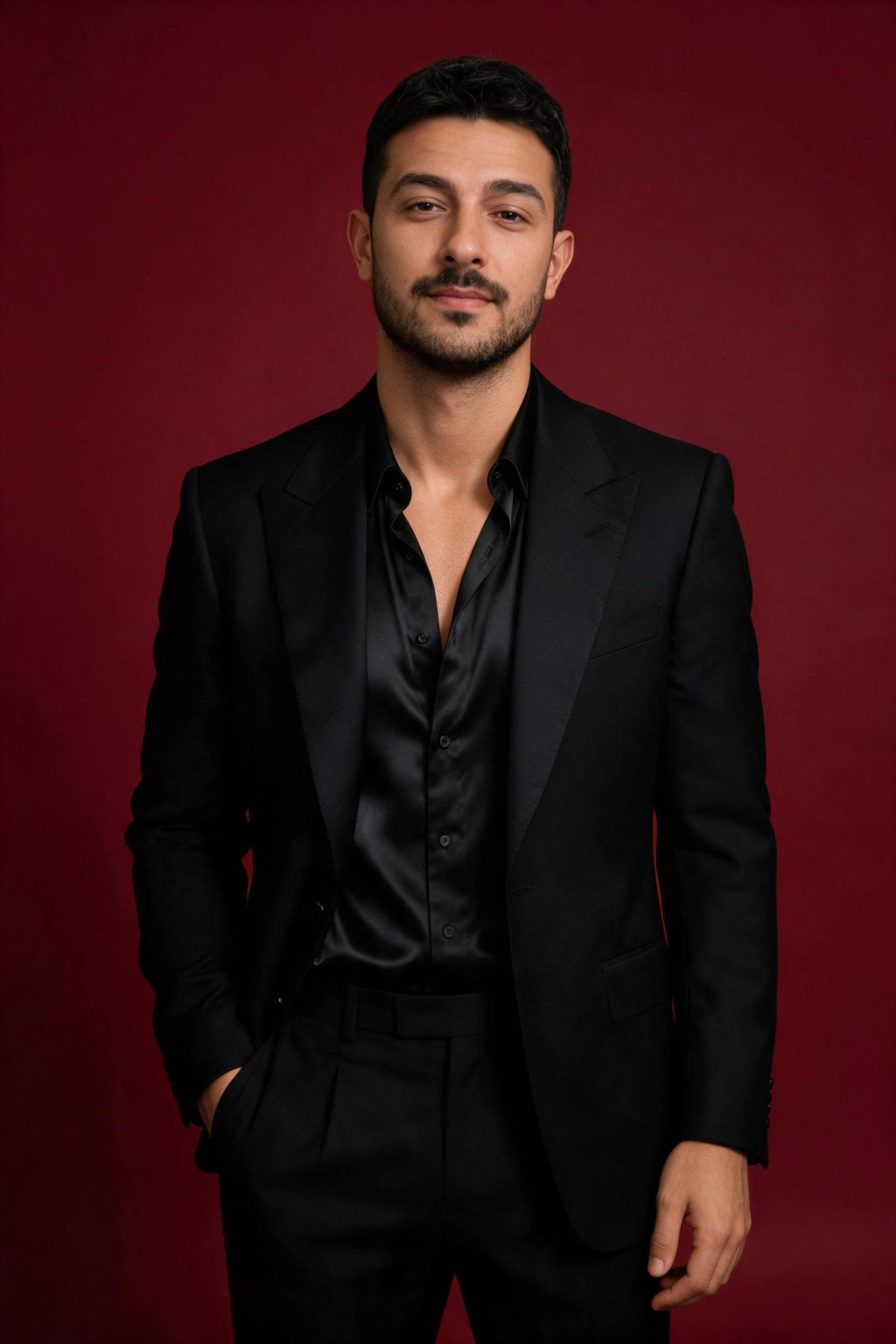
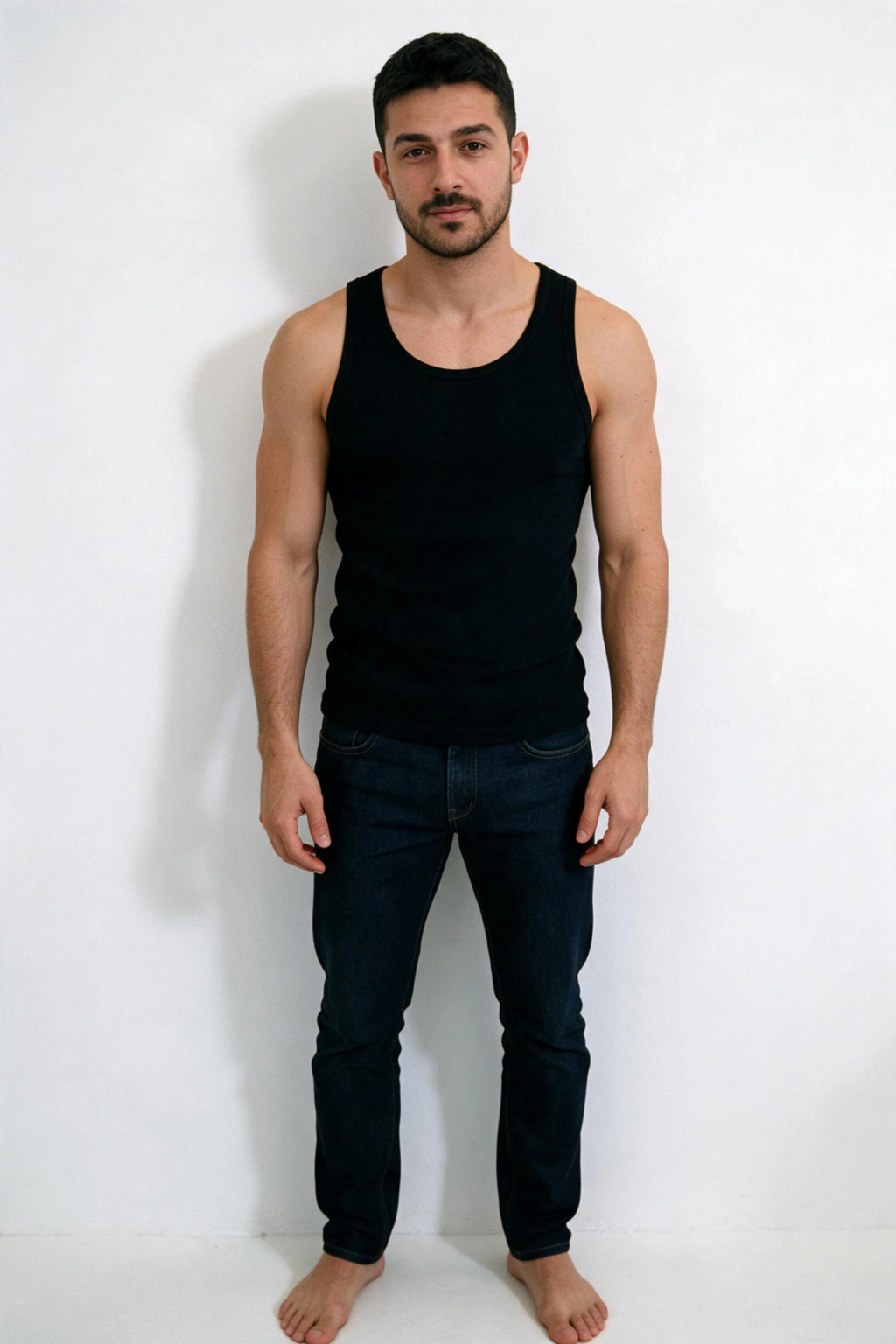
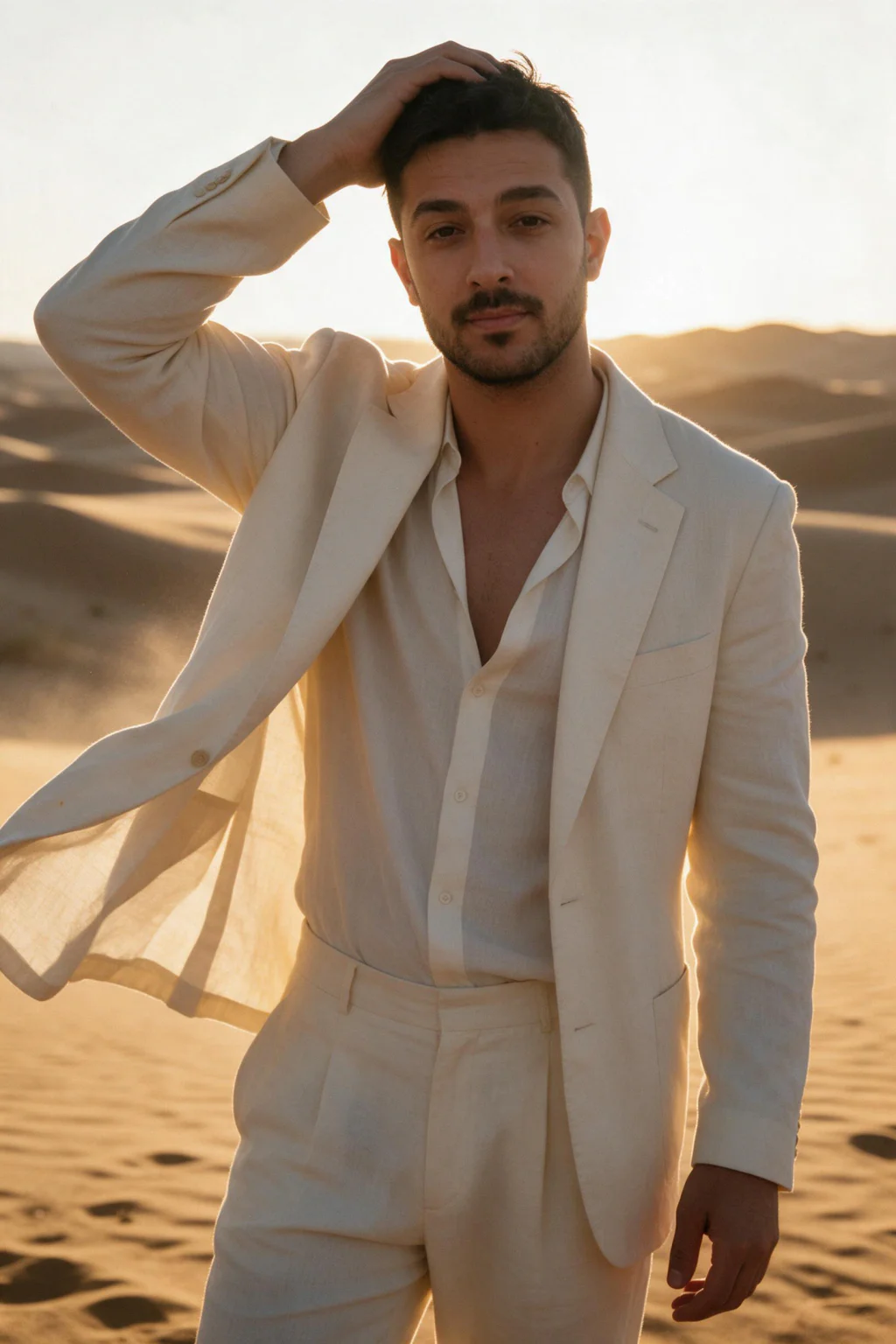
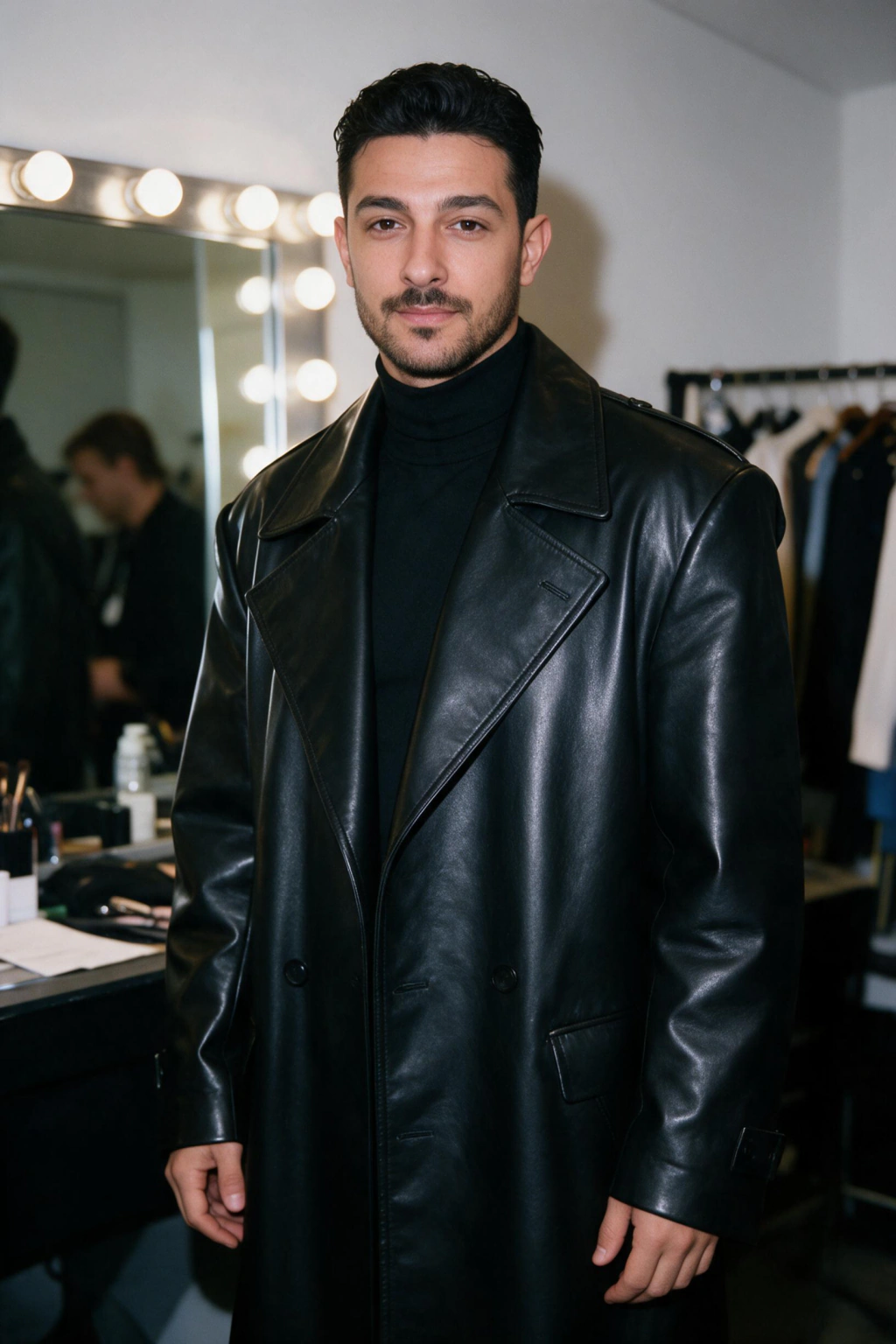
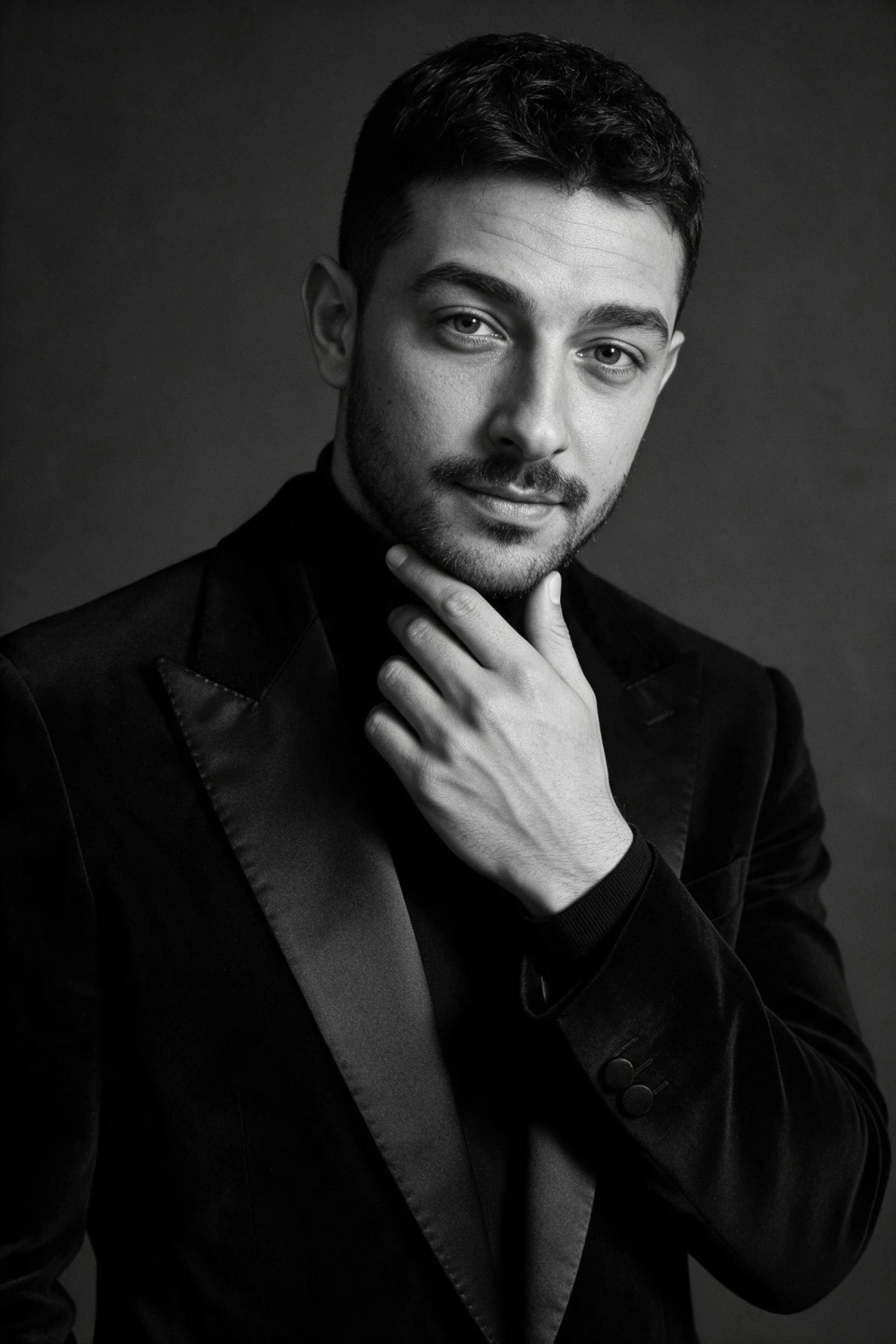
What are modeling digitals and how do you shoot them at home?
A modeling digital (also called a pola or polaroid) is an unretouched test shot that shows an agency what you actually look like with no styling. Scouts once used instant Polaroid cameras for this, and the name stuck even though everyone shoots on a phone now.
Use the rear camera, not the front one, since arm's-length front-camera shots stretch your nose and shrink your ears. Turn off beauty mode and skin-smoothing (iPhone Photonic Engine, Samsung beauty mode, or any third-party filter) before you start. Set a self-timer or hand the phone to a friend, and shoot from 1 to 2 metres away at chest height, against a plain white or light grey wall in soft daylight from a window, never flash, never studio lights.
Wear fitted black or charcoal clothing: a plain tank top and skinny jeans for the face and profile shots, plain black underwear or swimwear for the full-body shot. Hair down in its natural texture, no makeup beyond tinted moisturiser, no jewellery, shoes off for full-body.
Shot list, 8 to 12 frames total: 1) front-facing, smiling; 2) front-facing, neutral; 3) left profile, neutral; 4) right profile, neutral; 5) back to camera, hair lifted off the neck; 6) full-body front, hands relaxed; 7) full-body three-quarter; 8) hands close-up, palms down then up.
Digitals are not the same as a professional test shoot or your future portfolio. They are deliberately raw so the agency can judge your natural face and body, not a photographer's lighting. Update your digitals every 3 months, or right away after any hair, weight, or look change.
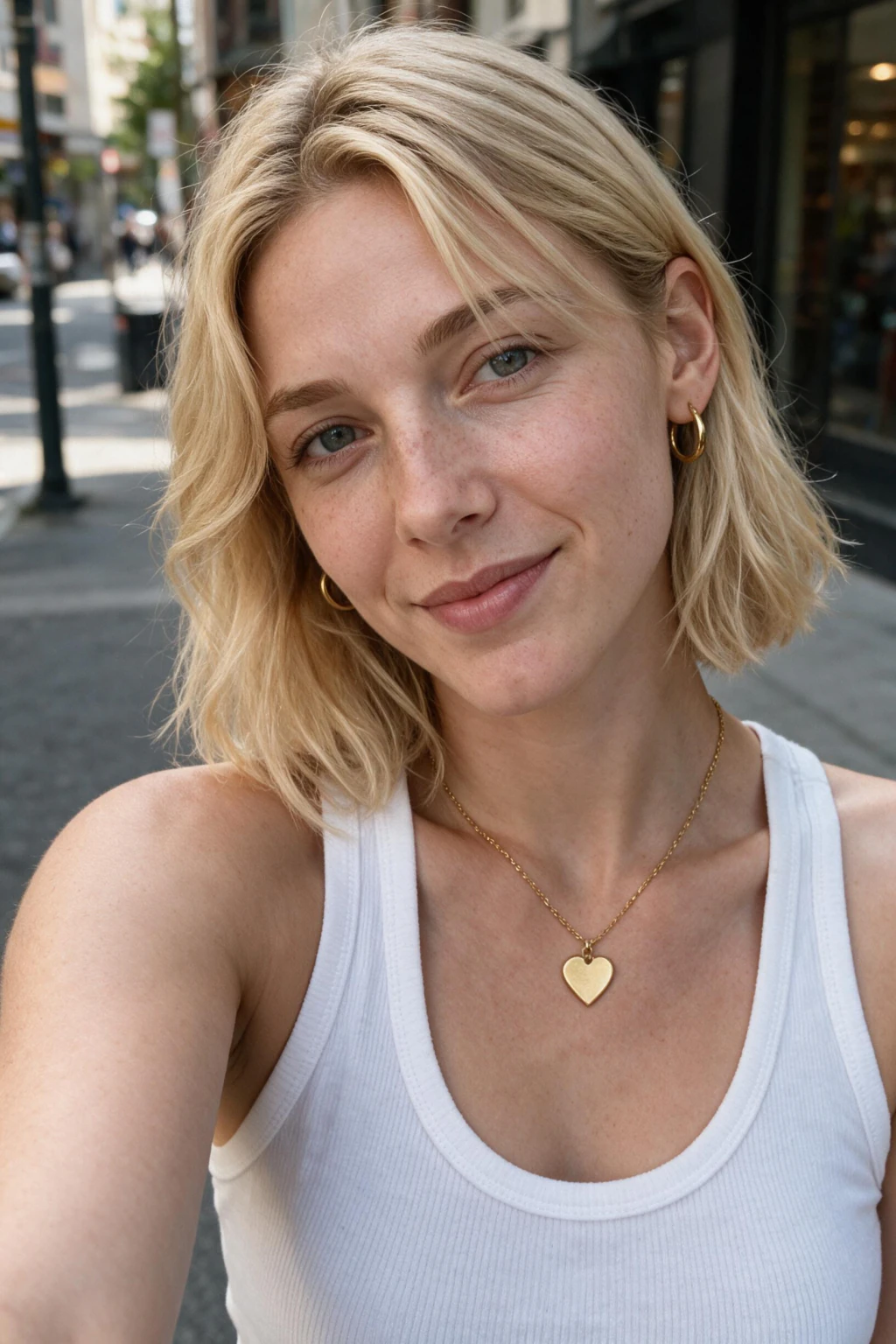
What do top agencies, online platforms, and contests actually want?
Match your submission to the channel. Sending the same photo set everywhere is the biggest mistake new models make.
Top tier agencies (Elite, Ford, IMG, Wilhelmina, Next, The Society, DNA, Women) want unretouched digitals only, plus your stats. They reject retouched photos, portfolio shots, and AI-generated images. Submit through the agency's own form (Elite Spotted, IMG Open Call, Wilhelmina Open Talent), never by DMing a scout on Instagram, that path is a known scam vector.
Mother agencies (smaller regional agencies that develop new talent) use the same digitals rules but expect to coach you, so they are often the smarter first step if you do not yet have professional photos.
Online platforms (Model Mayhem, Backstage, StarNow, Casting Networks, ModelManagement) accept full portfolios of 8 to 15 photos across editorial, commercial, lifestyle, and beauty. Digitals are optional here, and this is the path where a wider range of styled photos works in your favour.
Open contests (Elite Model Look, Ford Supermodel of the World, IMG Sourcing) follow the top tier rules since the prize is agency representation. Read the official rules every year, since formats change.
You do not need a comp card to apply anywhere. The agency builds one for you after you sign, so save the roughly $40 to $80 printing cost until then.
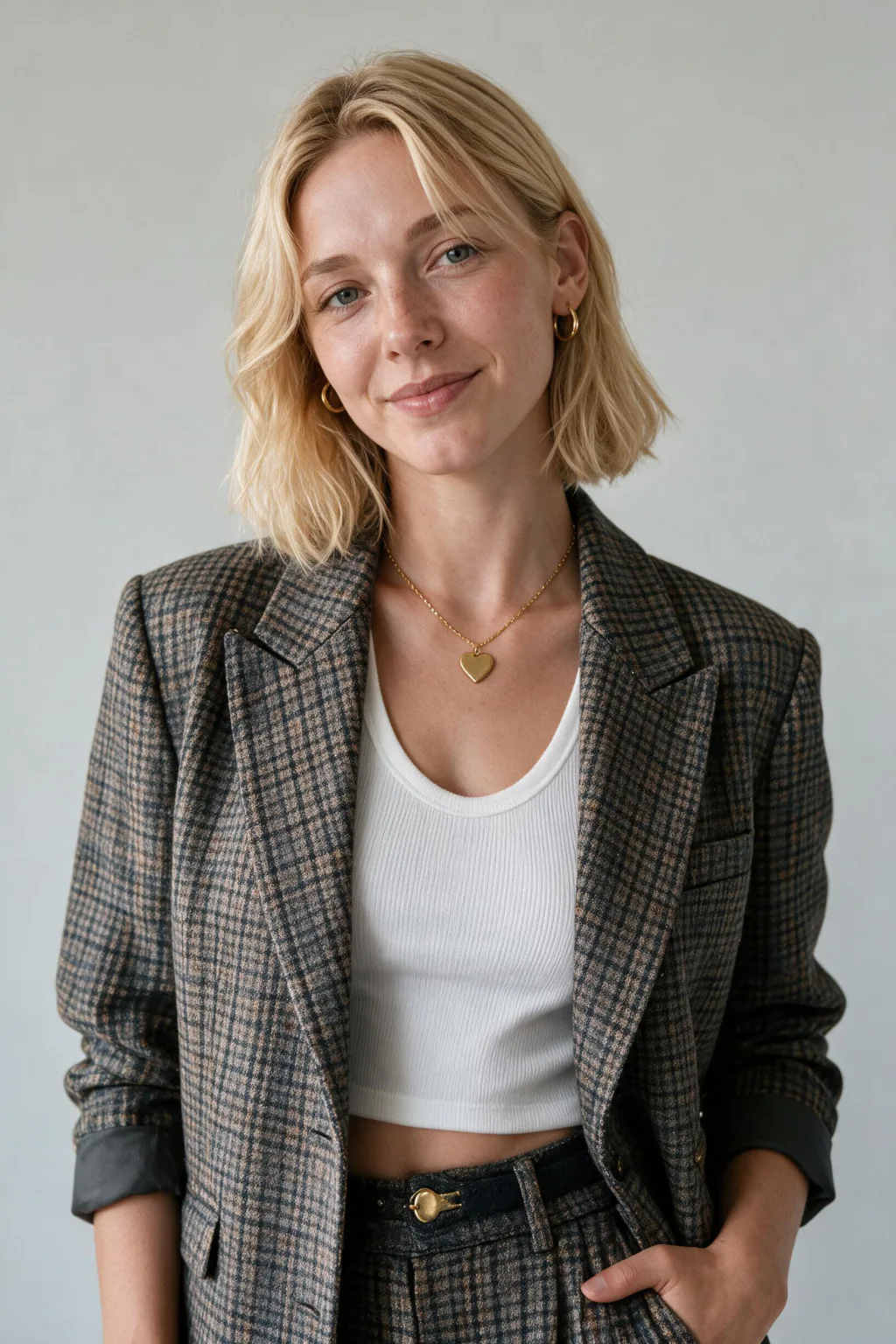
Can you submit AI photos to a modeling agency?
No. Top tier agencies (Elite, Ford, IMG, Wilhelmina, Next) require unretouched digitals shot in person and reject AI-generated or heavily retouched submission photos. Scouts can often spot them, and most agency contracts require a real, in-person test shoot before signing regardless.
AI photos are for planning your looks, not for your agency submission.
Where they do fit: build an exploratory portfolio before you book a real photographer. Upload one selfie to MakeAiPhotos, generate about 10 styled photos across editorial, commercial, beauty, and lifestyle for $9.99, roughly 2 minutes each, then use the results to see which looks suit your face and body before paying $150 to $400 for a real photographer. See the modeling editorial AI photo pack for the exact style set.
1) Exploratory portfolio before booking a real photographer. You upload one selfie, generate about 10 styled photos across editorial, commercial, beauty, and lifestyle for $9.99, roughly 2 minutes each, then use that batch to decide which looks suit your face and body before paying $200 to $500 for a real test shoot. This saves you from booking a photographer for a direction that does not work for you.
2) Direction reference for your real photographer. Bring 5 to 10 of your favourite AI outputs to your test shoot as mood-board references. The photographer can recreate the lighting, pose, and styling with real cameras and real direction. The shoot output becomes your actual portfolio.
3) Online platform supplemental content. Some online platforms (not top tier agencies) accept AI-generated lifestyle shots in a wider portfolio mix, especially if labeled. Read each platform's terms before uploading. Most contest rules explicitly forbid AI submissions in 2026, check before entering.
4) Personal branding content while you wait for results. After you submit your real photos, agency review takes 4 to 8 weeks. AI photos can keep your Instagram active during that window without burning your test-shoot footage. Treat them as personal content, not as portfolio work.
What AI photos cannot do: produce the unretouched polas a top tier agency requires, replace measurements taken in person at the agency open call, or substitute for the in-person test shoot agencies do before signing.
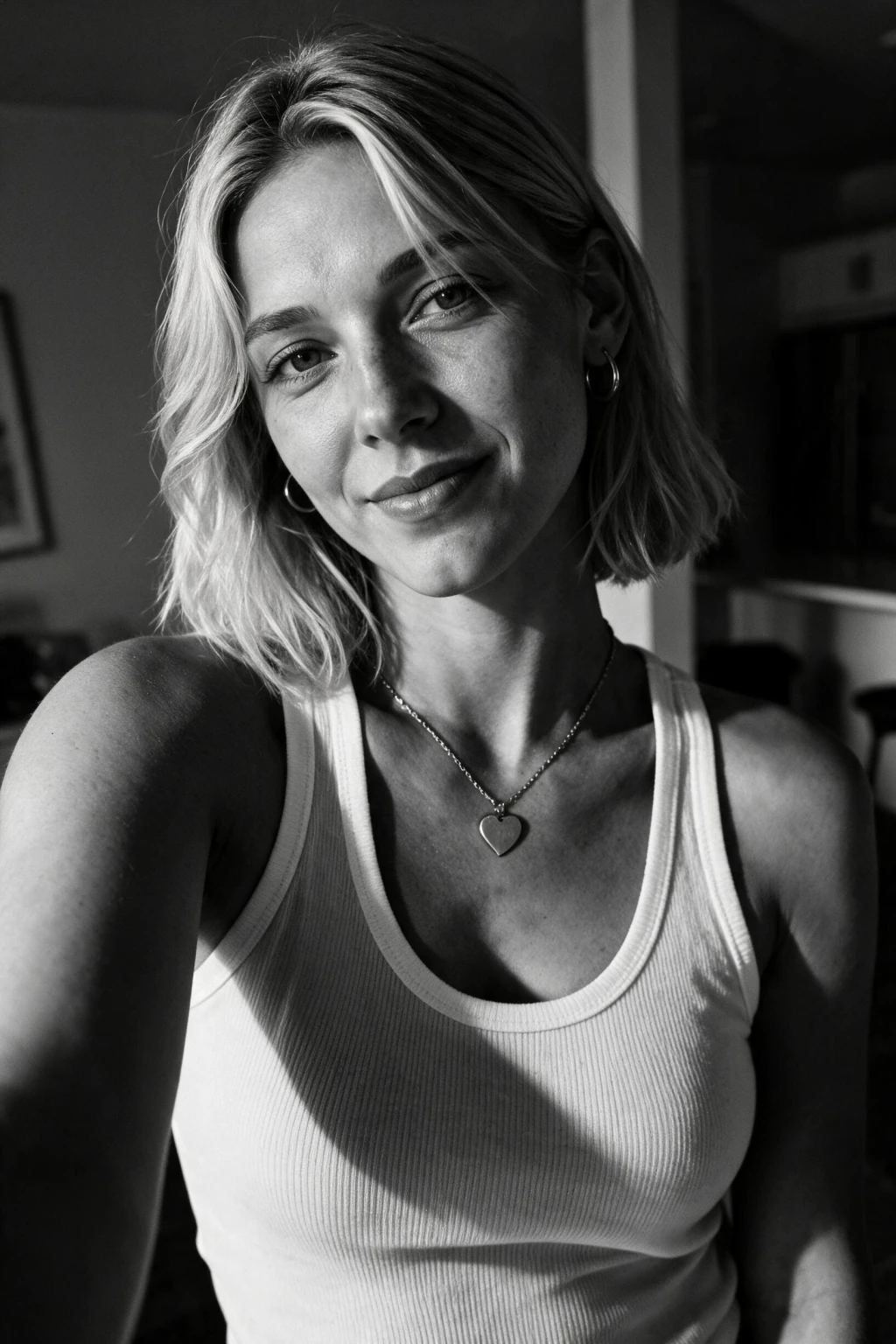
Can you do an AI model photoshoot before submitting?
Yes, an AI model photoshoot is the right tool for planning your modeling looks, not for your agency submission. An AI model shoot lets you test which editorial, commercial, and lifestyle styles suit your face and body before you pay a photographer for the real polas.
On MakeAiPhotos, an AI models photoshoot works like this: upload one selfie, then generate about 10 styled photos across the modeling editorial AI photo pack for $9.99, about 2 minutes per photo with no training wait. Use the results as a mood board to brief your real photographer.
What an AI model photoshoot cannot do: replace the unretouched polaroids top agencies require, or stand in for in-person measurements. Treat the AI model shoot as exploratory direction, then book a photographer for the actual submission shots. For the realism standard to aim for, see our guide on AI photos that look real.
File specs, naming, and folder structure agencies expect
Submission rejections from technical errors are common. Many agencies will not even open a folder that violates their spec, since they process thousands of submissions per month and screen with automated rules first.
File format: JPEG. Not HEIC, not PNG, not TIFF. Convert HEIC iPhone photos to JPEG before uploading.
Resolution: 300 DPI minimum for print-eligible polaroids. Long edge 2000 to 4000 pixels for headshots and full-body. Under 5MB per file. Compressed enough to upload, sharp enough to read at full size.
Colour space: sRGB. Do not submit in Adobe RGB or CMYK, the agency software may not render colour correctly.
Naming convention: FirstnameLastname_PhotoType.jpg. Examples: SarahMiller_Front.jpg, SarahMiller_LeftProfile.jpg, SarahMiller_FullBody1.jpg, SarahMiller_Headshot.jpg, SarahMiller_Smile.jpg. Sequential numbers for similar shots. Never names like IMG_4521.jpg.
Folder structure for a top agency submission: one zip file containing 8 to 12 polaroids, a separate stats sheet PDF with height, bust, waist, hips, shoe size, hair colour, eye colour, age, location, and contact info. If a comp card is requested, include it as a separate PDF. Total submission package under 30MB.
For online platforms, upload each file individually to the platform field rather than zipping. Match the platform's prompts exactly (Model Mayhem asks for a headshot first, then portfolio, then composite, do not reverse the order).
What to wear, how to do your hair, and why minimal makeup matters
Top agencies want to see your face and body unstyled because they cast you, then style you for clients. Anything you add (makeup, hair styling, statement clothing, accessories) hides what they are actually trying to evaluate.
Clothing for polaroids: fitted black or charcoal grey. A plain black tank top or fitted t-shirt plus skinny black jeans for the front and profile shots. Plain black bikini or matching plain underwear for the full-body and proportion shots (this is industry standard, not exploitative, and is requested for both women and men). No logos, no patterns, no jewellery, no watch, no scarf.
Hair: down, brushed, in your natural texture. No updo, no braid, no curling iron styling. If you usually wear it pulled back, take one shot with it back so the agency sees both. No clips or headbands.
Makeup: none, or the absolute minimum. Tinted moisturiser plus clear lip balm is the maximum. No foundation, no concealer, no contour, no eyeliner, no mascara, no lipstick. Agencies need to see your real skin texture, real eye colour intensity, and real lip shape.
Shoes: off for the full-body shot. Bare feet show your real height and proportions. For platform shots, simple black flats only.
Common over-styling rejections: full makeup, hair extensions clipped in, push-up bra, shapewear, high heels in the full-body, fashion clothing instead of plain fitted basics. Each of these signals you do not understand what a pola is, which is the first soft test of whether you have done research.
The honest workflow: from zero to a real agency submission
Putting all of the above into a realistic order, expect about 2 to 4 weeks from decision to first submission.
Week 1: Research. List 5 to 10 agencies or platforms you are targeting. Read each one's submission page line by line. Note the exact photo requirements, file specs, and submission method. Build one master spreadsheet with the requirements.
Week 1 to 2: Exploratory portfolio. Upload one selfie to MakeAiPhotos, generate the modeling editorial pack and a lifestyle pack, total cost $9.99. Review the 10 photos your pack covers. Identify your 5 strongest looks (which editorial styling suited your face, which lifestyle settings felt natural, which commercial expressions read well). Save these as a mood board for your photographer.
Week 2 to 3: Book the real photographer. Search local photographers experienced with modeling digitals (price range $150 to $400 for a basic digitals plus polaroid session). Send your mood board, your stats, and confirm the photographer understands you need unretouched polas, not styled editorial. Shoot the session against a plain wall in natural light.
Week 3: Assemble and submit. Convert files to JPEG sRGB 300 DPI. Rename per the naming convention. Write a stats sheet PDF. Submit through each agency's official form, one at a time, tracking dates in your spreadsheet.
Week 4 to 8: Wait. Standard response time is 4 to 6 weeks. Follow up once with a short email referencing your submission date if you have heard nothing by week 8. Do not DM scouts. Do not resubmit a different photo set unless invited.
If you skipped the exploratory portfolio and went straight to the photographer, you would likely book a session with the wrong direction for your face and have to reshoot. The AI step saves that mistake at a fraction of the cost.
Common rejections and how to fix each one
Most submissions are not rejected for the model, they are rejected for the photos. Run through this list before you send.
Rejection 1: filtered or beauty-modded selfies as polaroids. Fix: shoot fresh polas with beauty mode disabled in the camera app. The agency needs raw skin.
Rejection 2: full makeup or contoured face. Fix: reshoot with no makeup or tinted moisturiser only. Agencies have makeup artists, they need your blank canvas.
Rejection 3: styled hair or extensions. Fix: hair down, brushed, natural texture. Take one with it up if you wear it up regularly.
Rejection 4: full-body shot in baggy clothing hiding body shape. Fix: fitted black tank and skinny jeans, or plain underwear for the proportion shot. Body shape is information the agency needs.
Rejection 5: harsh overhead shadow from indoor ceiling light. Fix: shoot near a window in daytime, or in open shade outdoors. Soft directional light only.
Rejection 6: arm's length selfie distortion making nose appear larger and ears smaller. Fix: have someone else take the photos from 1 to 2 metres away, or use a self-timer on the rear camera on a stack of books.
Rejection 7: AI-generated or heavily retouched submission to a top tier agency. Fix: re-shoot real polas. AI photos belong in your exploratory portfolio, not in the submission.
Rejection 8: missing stats sheet or wrong file naming convention. Fix: read the spec again and rebuild the folder before resubmitting.
Frequently Asked Questions
- How do you submit photos to a modeling agency?
- Submit through the agency's official website form. Send 4 to 8 unretouched polaroids (front, profile, full-body, smile), a stats sheet with height, measurements, hair, eyes, and contact info, in JPEG sRGB at 300 DPI, files named FirstnameLastname_Front.jpg. Never DM scouts on Instagram, that channel is a known scam vector.
- Can you submit AI photos to a modeling agency?
- No, top tier agencies (Elite, Ford, IMG, Wilhelmina, Next) reject AI-generated photos as submission shots and require unretouched polaroids in natural light. AI photos legitimately belong in your exploratory portfolio (to test which looks suit you before booking a photographer), as direction reference for the real shoot, and for online platforms that explicitly allow them.
- What is a polaroid in modeling?
- A modeling polaroid (also called a pola or digital) is an unretouched test photo shot against a plain wall in natural light, with hair down, no makeup, and fitted black clothing. Standard set includes front, left profile, right profile, back, smile, neutral, and full-body. Polaroids show the agency your real face and body proportions without styling.
- What is a comp card and do I need one to submit?
- A comp card (Zed card) is a 5.5 by 8.5 inch printed card with your strongest 4 to 5 photos and stats, used by signed models on castings. You do not need one for an initial top agency submission, the agency creates yours after you sign. You may need one for online platforms, in-person open calls, or direct-booking work.
- What are the best platforms to submit photos for modeling?
- For agency representation, submit through Elite Spotted, IMG Open Call, Wilhelmina Open Talent, Ford open submissions, Next, and The Society. For direct-booking work without an agency, use Model Mayhem, Backstage, StarNow, Casting Networks, and ModelManagement. Read each platform's submission spec before uploading, since requirements differ.
- What should I wear for modeling polaroids?
- Fitted black or charcoal grey clothing. A plain black tank top or fitted t-shirt plus skinny black jeans for front and profile shots. Plain matching underwear or a black bikini for the full-body shot. No logos, no patterns, no jewellery, no watch, no makeup beyond tinted moisturiser, hair down in your natural texture, shoes off.
- What file format and size do modeling agencies want?
- JPEG format, sRGB colour space, 300 DPI minimum, long edge 2000 to 4000 pixels, under 5MB per file. Convert iPhone HEIC files to JPEG before submitting. Name files FirstnameLastname_PhotoType.jpg (e.g. SarahMiller_Front.jpg). Total submission package usually under 30MB.
- How can MakeAiPhotos help if AI photos cannot be submitted to top agencies?
- MakeAiPhotos is an AI model photoshoot generator that creates about 10 styled photos of you for $9.99, roughly 2 minutes each. The legitimate use is building an exploratory portfolio to identify your strongest editorial, commercial, and lifestyle looks before paying $150 to $400 for a real photographer to shoot your actual submission polas. It saves you from booking the wrong direction.
- Can I do an AI model photoshoot to plan my modeling looks?
- Yes. An AI model photoshoot is a fast, low-cost way to plan your looks before a real shoot. Upload one selfie to MakeAiPhotos, generate about 10 styled photos across editorial, commercial, and lifestyle for $9.99, roughly 2 minutes each, then pick your 5 strongest looks as a mood board. Use the AI model shoot for direction only, top agencies still require real unretouched polaroids for the actual submission.
- How long after submitting modeling photos should I expect a response?
- Standard agency response time is 4 to 6 weeks, with some top agencies taking up to 8 weeks during heavy submission periods. Follow up once with a short email referencing your original submission date if you have not heard back by week 8. Do not resubmit a different photo set or DM scouts, both reduce your chance of being signed.