Can you use AI photos of yourself on dating apps? The honest answer
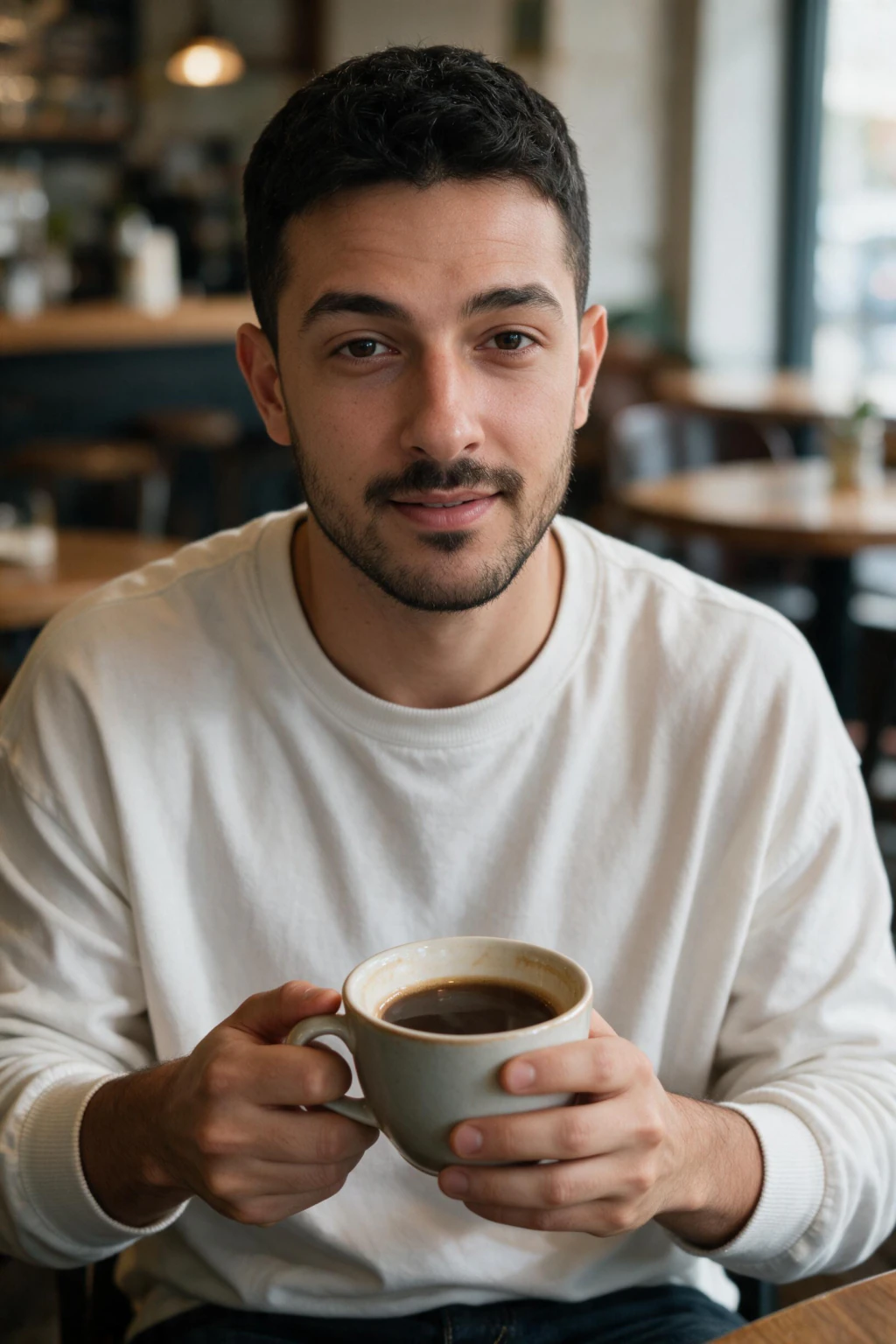
Yes, you can use AI photos of yourself on dating apps as long as the photos clearly depict you and are not used to impersonate someone else. Tinder, Hinge, and Bumble all permit AI-generated images of the actual account holder under their current 2026 policies. MakeAiPhotos is an AI photo generator that creates realistic lifestyle photos of you from one selfie, designed for exactly this use case.
The results depend on one thing: whether your AI photos look like you as you actually are, not a better-looking stranger with similar colouring. AI photos that look like a polished, realistic version of you in an interesting setting work well. AI photos that look like a different person, or that place you in scenes so elaborate they feel fake, consistently hurt profiles. The technology is not the variable. Likeness and believability are.
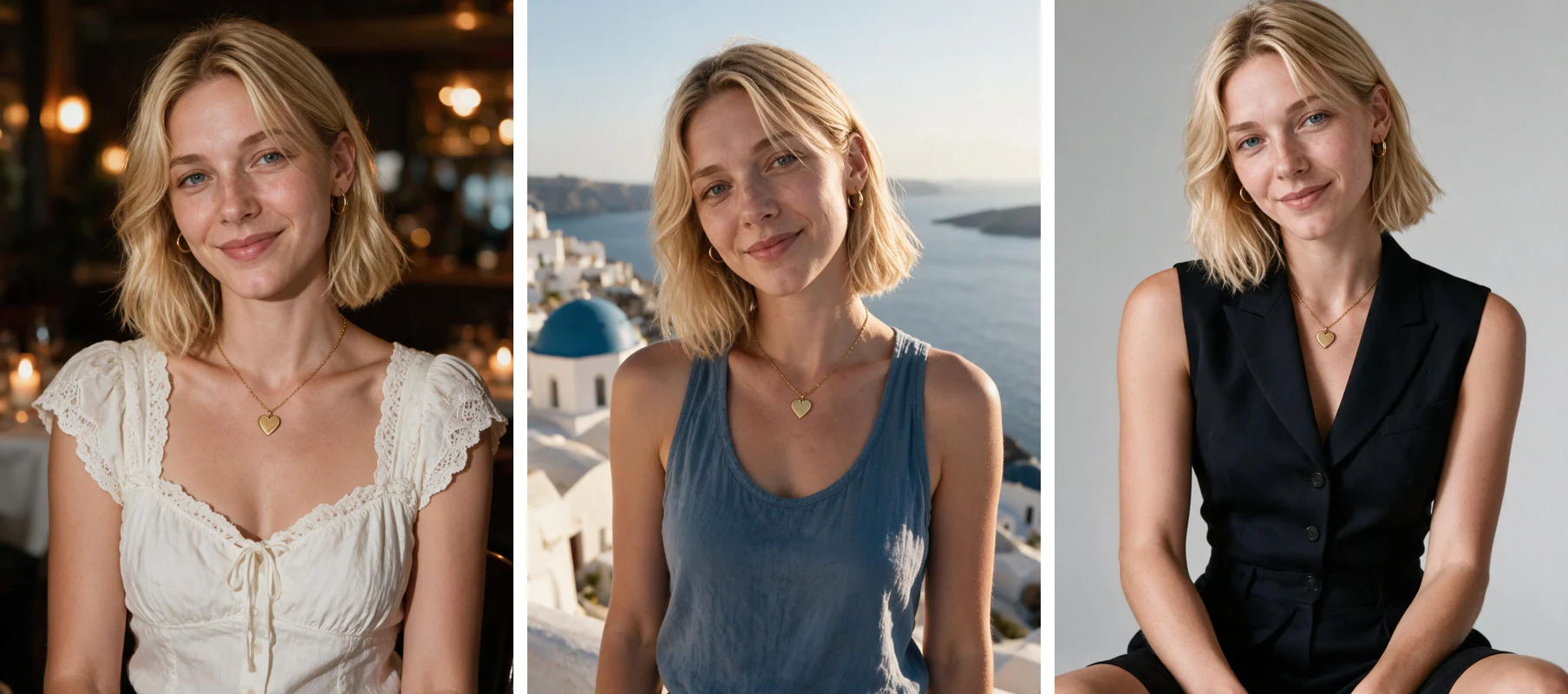
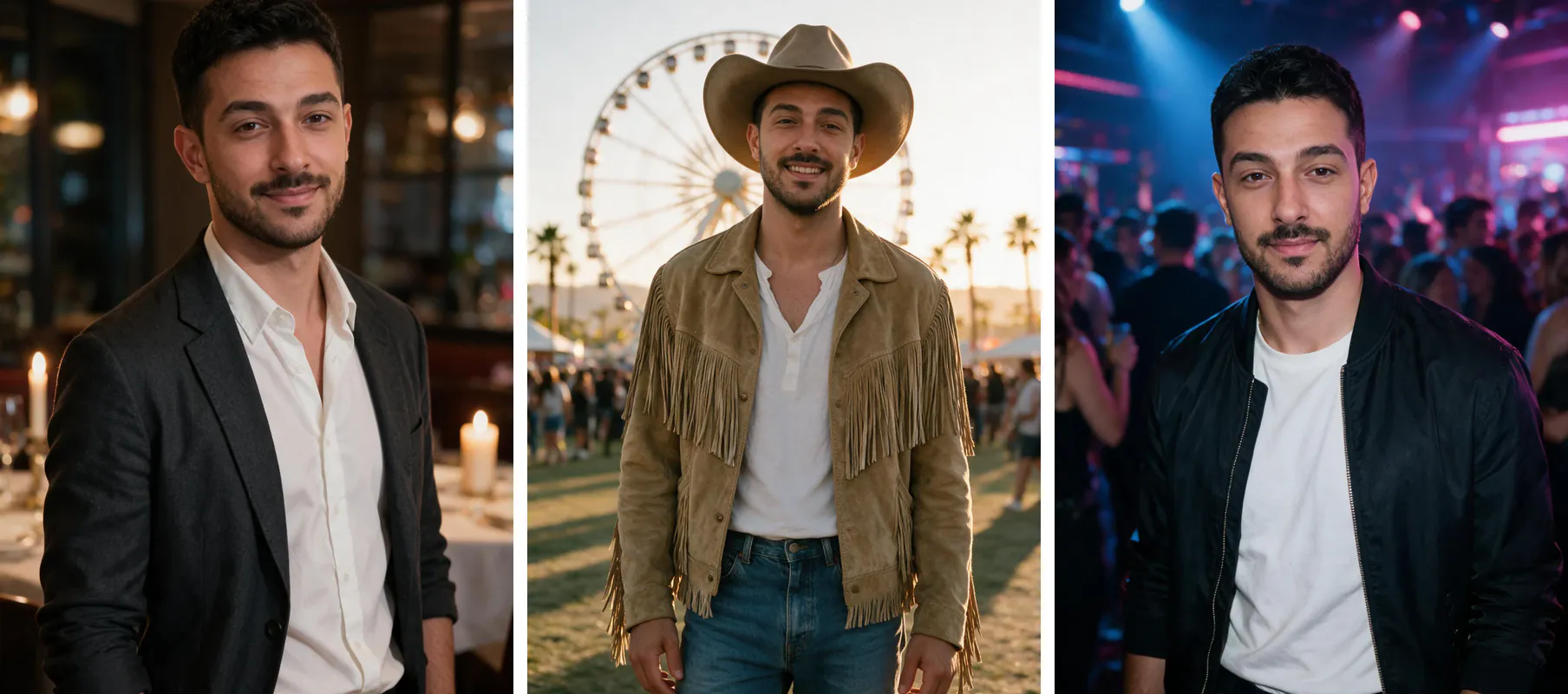
One phone selfie to 5 AI photos of the same person
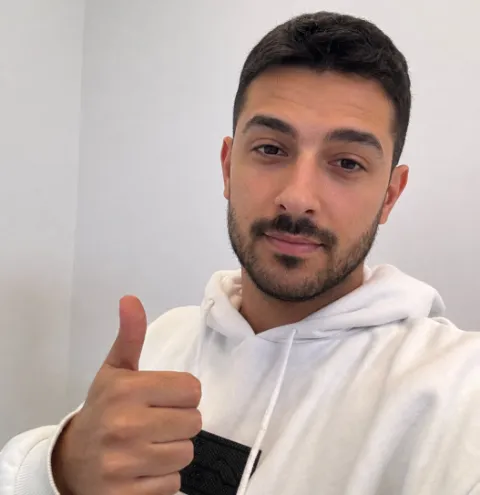
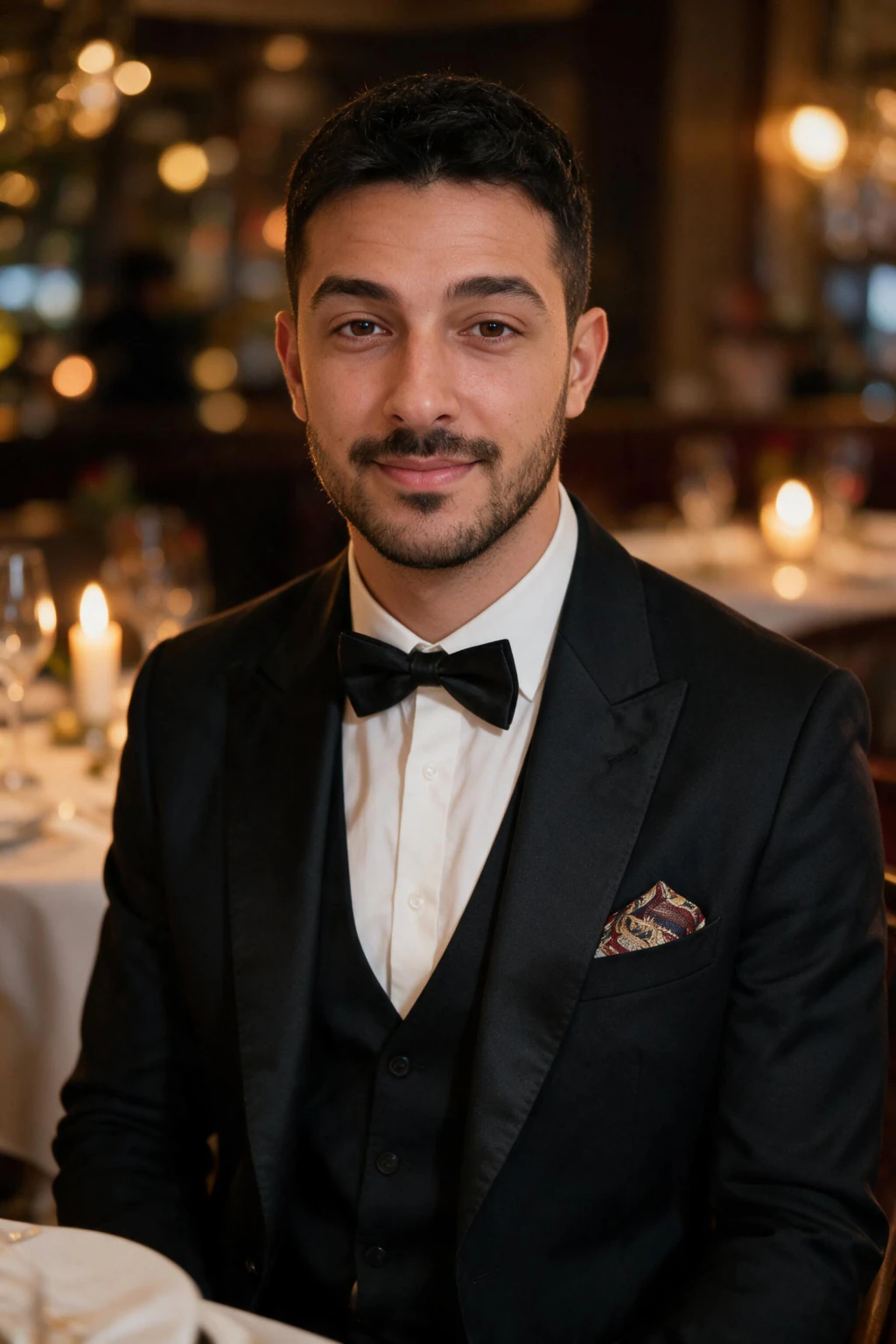

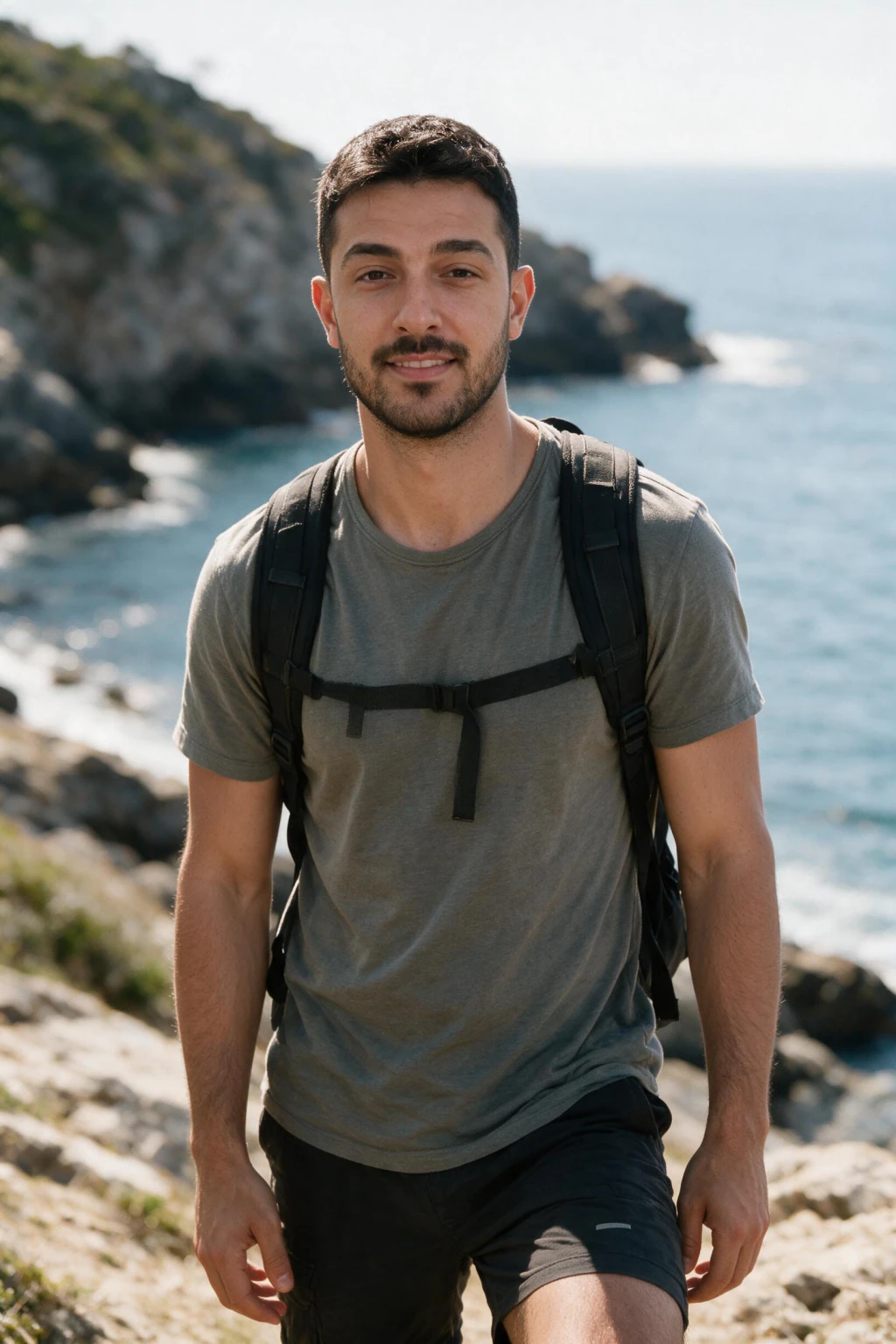

What each dating app says about AI photos (Tinder, Hinge, Bumble)
Tinder permits AI-generated photos of yourself. The platform launched its own AI photo selection feature in 2024 and explicitly allows AI-assisted profile photos, provided the images depict the real user. Photos that misrepresent identity or use another person's likeness violate the Community Guidelines.
Hinge allows AI photos of yourself but recommends including at least one real, unedited photo so matches can recognise you in person. Hinge's policy targets deception, not the AI tool itself. A profile built around AI lifestyle photos of the real account holder is within the rules.
Bumble permits AI photos of yourself when the photos accurately represent your current appearance. Bumble's Terms of Use and Photo Guidelines prohibit photos of other people, stock images, and photos designed to deceive. AI photos of you, looking like you, are not in that category.
Across all three apps the line is identical: photos must depict the actual account holder, must reflect current appearance, and must not be used to impersonate someone else. AI tools used to generate photos of yourself, in settings you could realistically be in, are explicitly permitted in 2026. For a deeper policy breakdown, see our guide on whether AI photos are allowed on Tinder, Hinge and Bumble.
What counts as deceptive AI photos on dating apps (and what does not)
Deceptive AI photos misrepresent who you are. That includes generating a face that is not yours, restoring your appearance to 10 years younger than you look today, removing 30 pounds digitally, generating photos in luxury settings that misrepresent your lifestyle, or producing photos so polished that meeting in person reveals a different person.
Not deceptive: AI photos that show you with good lighting, a flattering outdoor setting, a clean background, or a wardrobe similar to what you actually wear. That is the same category as a professional photographer's headshot. Choosing good light and a flattering angle is not deception. It is presentation.
The simple test is the in-person check. If someone met you tomorrow, would they recognise you immediately from your profile photos? If yes, your AI photos are honest. If they would feel surprised, the photos crossed a line, regardless of which technology produced them.
The hybrid approach: AI base plus real selfie mix
The highest-converting dating profiles in 2026 use a hybrid mix: roughly 60 percent AI lifestyle photos of you and 40 percent real candid selfies and friend photos. Pure AI profiles feel slightly sterile. Pure real profiles often lack variety. The mix wins.
Practical recipe: generate AI photos at MakeAiPhotos using a single selfie as input selfie, then select three AI lifestyle outputs (one beach or outdoor, one travel or city, one social or cafe). Add two real photos from your phone: one clear face shot taken in the last 60 days as photo one, and one candid with friends or doing a hobby in slot four or five.
Because the AI photos are built from your real selfie, the person in every frame is the same person. That continuity is the entire point of the hybrid approach. It gives you variety without breaking the visual identity of the profile.
What type of AI photo actually works on dating apps?
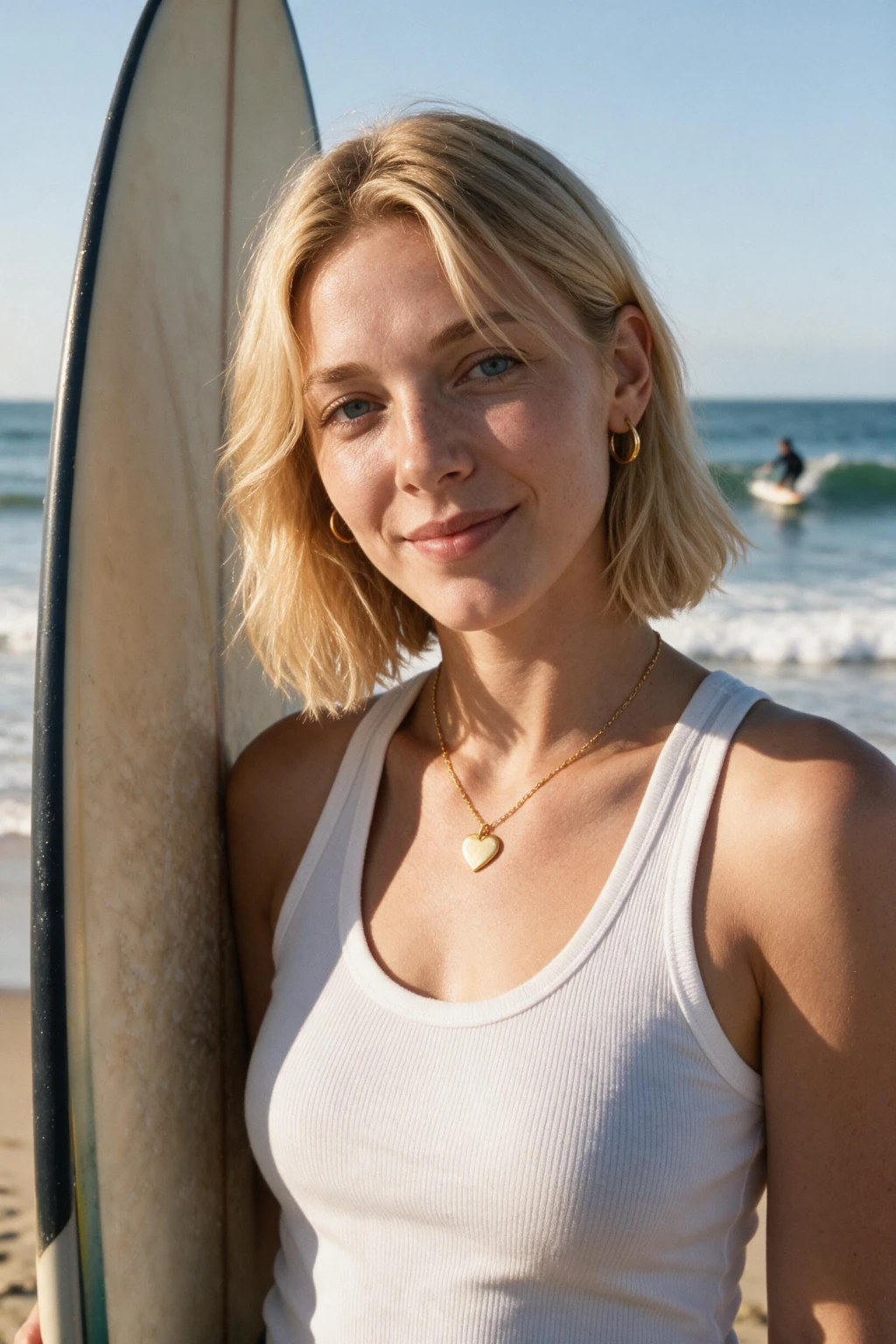
The strongest AI photos for dating apps are outdoor lifestyle shots in natural settings: a beach, a market, a city street, an outdoor cafe. These look like real photos from a life you actually have, which is the implicit promise of every dating profile.
Avoid AI photos with overly dramatic studio lighting, unrealistic backgrounds such as private jets or luxury yachts if that is not your life, or wardrobe that does not match your real style. Those photos signal to other users, consciously or not, that something is off.
The AI photos with the highest match-to-date conversion rate are the ones where someone who met you in person would not feel surprised. Beach AI photos, outdoor travel shots, social cafe photos, and lifestyle scenes that match your actual interests all outperform studio-style portrait-only profiles on every major app.
The profile photo order that gets better results
Photo one must be a clear, recent, non-AI photo of your face. This is the photo that decides whether someone swipes right or left in under one second. It should be honest, well-lit, and unmistakably you. All-AI first photos have a higher skip rate because something reads as slightly off, even if viewers cannot name it.
Photos two and three are where AI lifestyle photos work best. A beach shot, an outdoor city photo, or a social photo in a natural-looking setting. These add dimension and variety without triggering the same scrutiny as the first photo.
Photos four and five can mix AI and real. A hobby-adjacent photo, a candid-looking social shot, or a travel scene. At this point in the profile, viewers are already interested and reading for context rather than auditing for authenticity.
One or two real candids somewhere in the mix anchor the profile and make the AI lifestyle shots read as photographs from your life rather than as generated images.
What are AI photos better at than real photos on dating apps?
Most people's real photos are concentrated in one setting: the same friend group, the same bar, the same vacation from two years ago. AI photos let you show variety without actually doing 11 different activities this week.
A profile that shows you in four genuinely different environments, outdoor, social, active, and dressed up, reads as a more interesting person than a profile with eight photos from the same three contexts. MakeAiPhotos generates across packs, so a single upload session can produce beach photos, travel scenes, cafe settings, and social moments without scheduling a month of life events.
This is the least-discussed advantage of AI dating photos: they let you build a profile that signals range and interests, not just one side of your life.
What do people do wrong with AI dating photos?
The most common mistake: using AI photos as all five profile photos with no real candids. An all-AI profile feels slightly sterile to most viewers even if they cannot say why. One or two real photos anchors everything else.
The second most common mistake is choosing settings that do not match your real life at all. If you generate luxury yacht photos but your actual life is weekend hiking and coffee shops, the mismatch is hard to recover from on the first date.
A third issue: generating AI photos for what you wish you looked like rather than what you actually look like today. If the first date reveals a noticeable difference between profile and reality, the mismatch hurts trust regardless of how good the photos were.
How to build a dating profile mix that converts
Upload one clear selfie to MakeAiPhotos in good natural light. Then generate three to four lifestyle packs: summer beach, traveler, social bar or cafe, and a clean face-forward frame as a backup.
From those outputs, select one beach or outdoor lifestyle shot, one travel or city shot, one social or bar photo that looks candid rather than posed. Add one or two real photos from your phone. Use that five or six photo mix as your profile.
The goal is a profile that looks like someone who has an interesting life and also happens to photograph well. That combination converts better than either a purely AI profile or a collection of casual real photos with no variety.
Frequently Asked Questions
- Can you use AI photos of yourself on dating apps?
- Yes. AI photos of yourself are on millions of dating profiles right now. The ones that work are lifestyle shots that still look like you in real life, not heavily stylised portraits. Mix one to three AI photos with one to two real candids for a profile that feels genuine and shows variety.
- Will AI photos help me get more matches on Hinge or Bumble?
- AI lifestyle photos, beach, travel, outdoor social, consistently outperform portrait-only profiles on Hinge and Bumble. Variety across settings signals an interesting life. Keep photo one as a clear real face photo and use AI for the variety slots. That mix usually outperforms an all-real or all-AI profile.
- Can people on dating apps tell if your photos are AI-generated?
- Sometimes, if the output quality is poor or the scenes are unrealistically elaborate. High-quality AI photos built from your actual selfie and placed in believable settings are very difficult to distinguish from professional photography. The clearer tell is when photos do not match in person, not the photos themselves.
- Is using AI photos on dating apps catfishing?
- No, if the photos still look like you in person. Catfishing is presenting yourself as someone you are not. AI photos of you, in settings you could plausibly be in, looking the way you actually look, are not misrepresentation. They are closer to wearing a nice outfit than to impersonation.
- What is the best mix of AI and real photos on Tinder?
- Photo one real and clear. Photos two and three as AI lifestyle shots in natural outdoor settings. Photos four and five as a mix of real candid or AI social photo. That order anchors the profile with real recognition and uses AI where variety adds the most value.
- Should I tell my matches my photos are AI-generated?
- There is no universal rule, but if someone asks and you say yes, it is rarely a problem if the photos look like you. The issue most people have with AI photos on dates is surprise at a mismatch, not the technology itself. If you look like your profile, the question rarely comes up negatively.
- Do Tinder, Hinge, and Bumble allow AI photos in their terms of service?
- Yes. As of 2026, Tinder, Hinge, and Bumble all permit AI-generated photos of the actual account holder. Tinder even built its own AI photo selection feature in 2024. The line in every policy is the same: photos must depict you, reflect current appearance, and not be used to impersonate anyone else. AI photos of yourself in believable settings are explicitly allowed.
- What is the ideal AI to real photo ratio for a dating profile?
- Roughly 60 percent AI lifestyle photos of yourself and 40 percent real selfies and candid photos. For a six-photo profile that is three AI photos (beach, travel, social) and two to three real photos including a clear face shot in slot one. This hybrid mix gives you variety without losing the recognition signal that helps matches feel comfortable meeting in person.