Can people tell if AI photos are AI? The direct answer
Mostly no, and the small number of people who do say something out loud are usually reacting to your lighting rather than to your generator. Nobody scrolling a feed is running an analysis. They register a face, form a feeling in about a second, and move on, and that feeling is driven by how the skin is lit far more than by anything a model did.
Published work supports the coin-flip read. Lu et al measured average human accuracy at 61 percent on high-quality portraits in 2024, a 2025 follow-up put it at 54 percent once viewers were reading at normal browsing speed, and both studies recorded real photographs being sorted into the fake pile at a rate nobody expects.
That last part is the useful finding and it reframes the whole question. If real photos get accused regularly, then whatever viewers are responding to is not a signature of generation, it is a visual quality that both real and rendered photos can have. The next section names it, because once you can see it you can avoid it.
One phone selfie to 5 AI photos of the same person

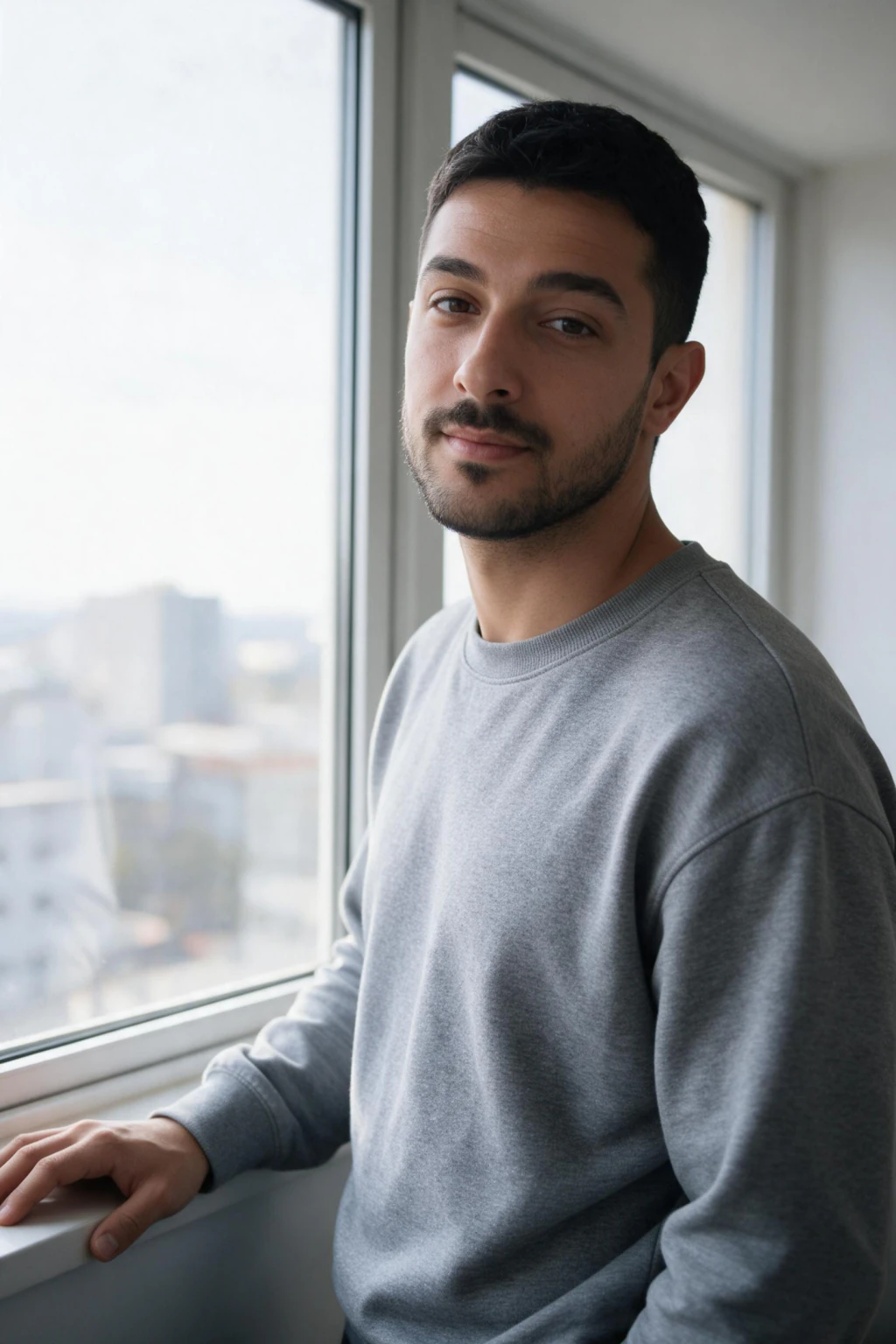
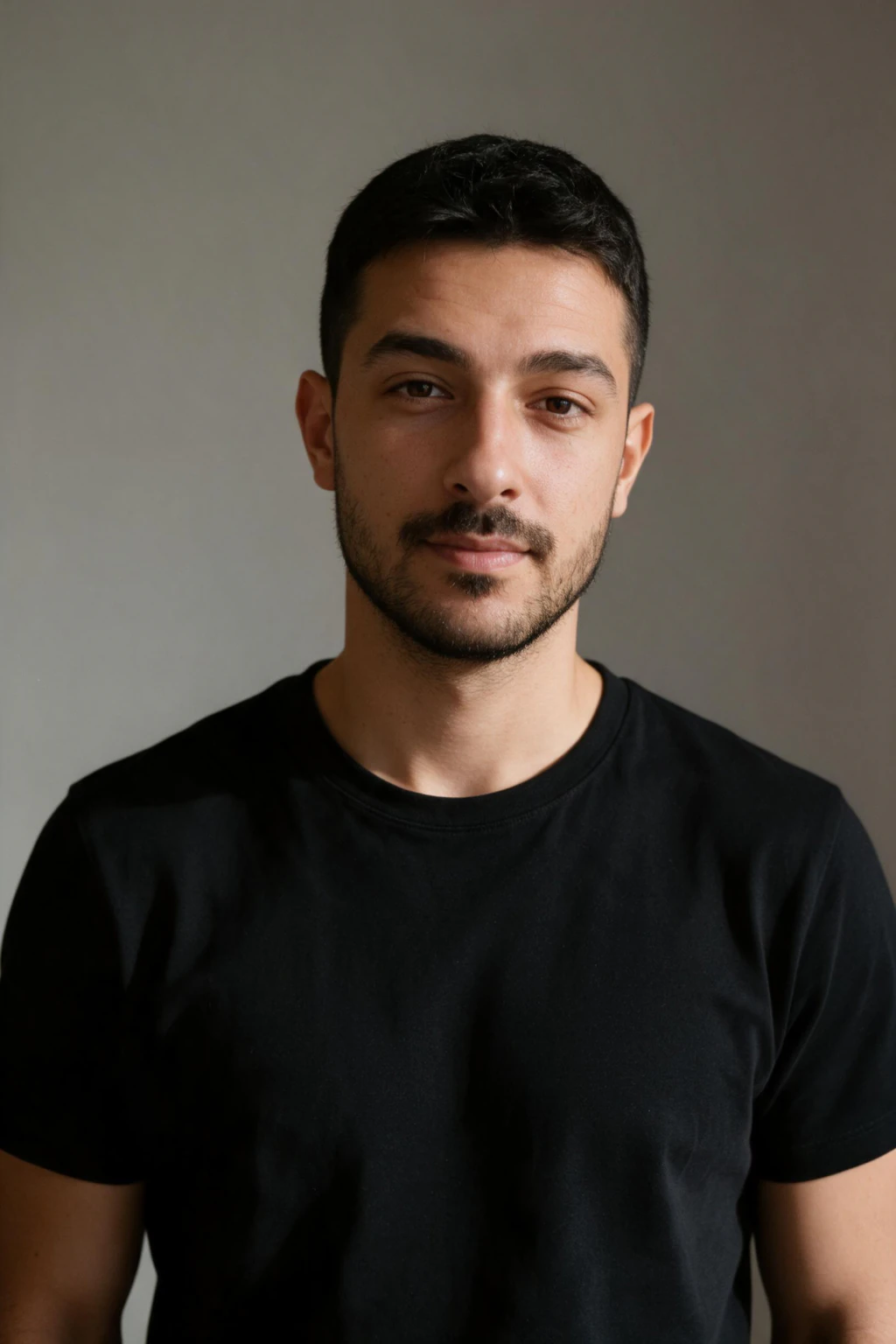


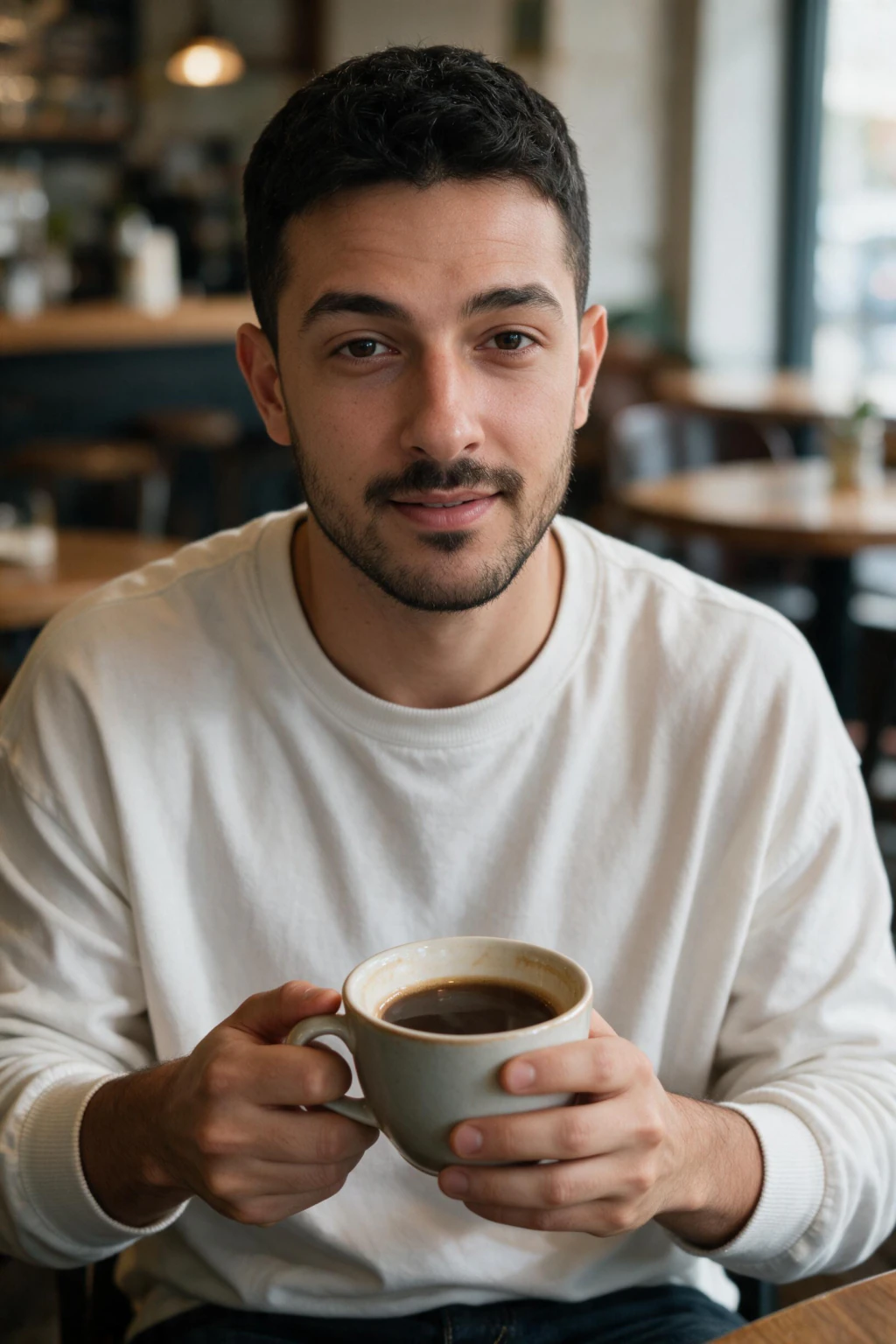
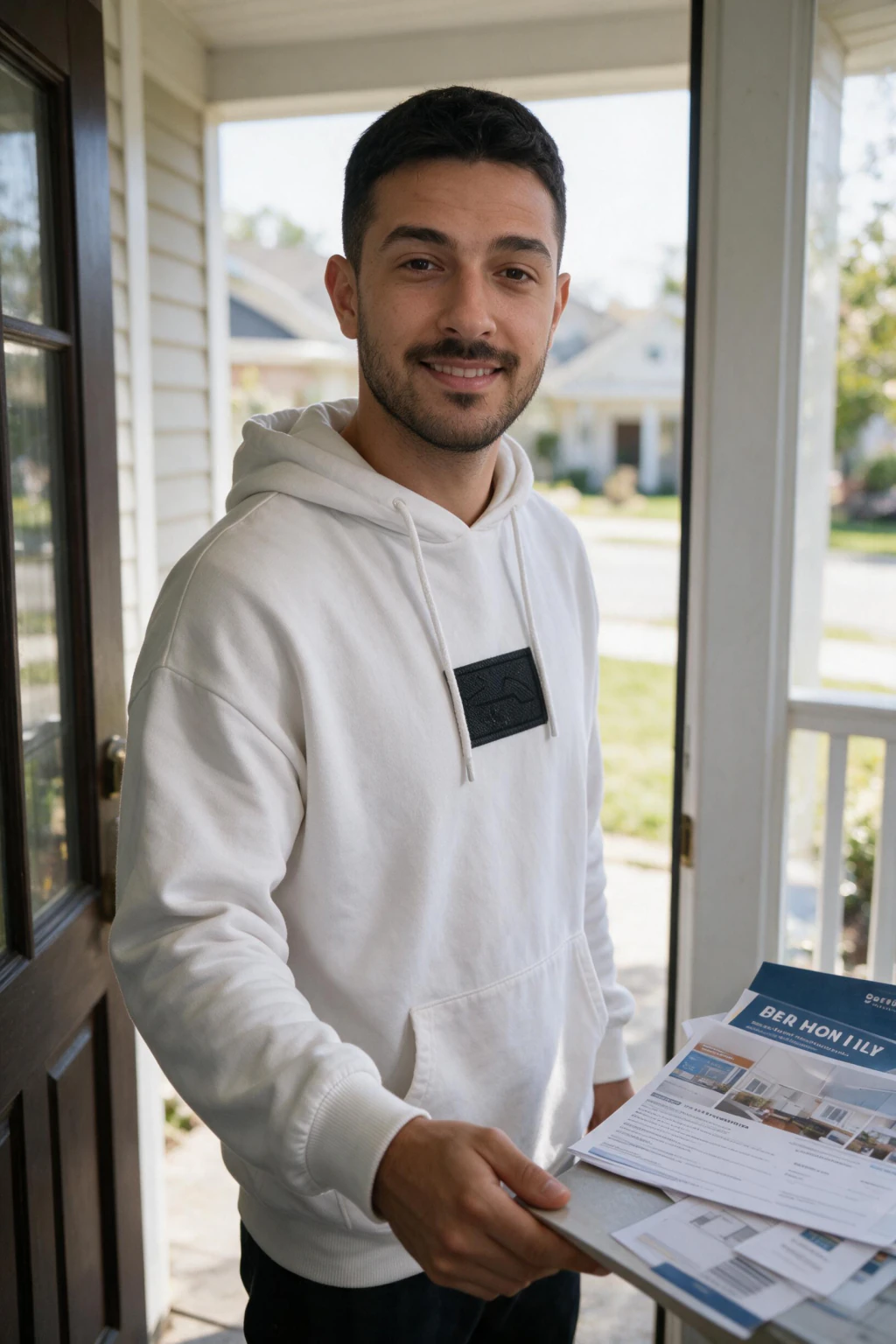





Pick daylight settings and the suspicion problem mostly solves itself.
What viewers are actually reacting to: flat, flash-lit skin
People are not detecting AI. They are detecting flat, evenly lit, texture-free skin, and they have simply learned to attach a new label to a look that has bothered them for years. Once a face carries no shading and no visible surface, something in the viewer refuses it, and in 2026 the word that arrives for that feeling is AI.
A direct phone flash produces that exact look on a photograph nobody generated. The flash sits a centimetre from the lens, so it fires straight down the same axis your camera is looking, and light that travels parallel to the view casts almost no visible shadow. Your nose stops describing shape, your cheekbones stop reading, and the skin comes back washed out and uniform.
This is why genuinely real photos get accused. Your friend's flash-lit photo from a bar last Friday has flat skin, a bright even face, a background falling into black, and a wet sheen on the forehead, and it collects the same reaction as a badly picked render. The photo is real, the reaction is real, and the cause is the light.
The move that fixes it is daylight, not resolution. People upgrade their camera and get nowhere, because a 48 megapixel flash photo carries the same flatness as a 12 megapixel one at four times the file size. Soft window light at an angle, open shade outside, or the last hour before sunset gives you the shading that makes skin read as a surface.
Apply that in both directions. Shoot your input selfie in daylight so the model learns skin that has shape, and then favour daylight frames when you sort your results. A render made in soft directional light clears the bar that a flash photograph of your real face would fail, which tells you the bar was never really about AI.
The 6 reactions viewers actually voice
When someone does comment on your photos, the comment is almost never technical. Nobody tells you the catchlights are misaligned. They tell you something looks off, or they ask a question about your week, and the table below translates those reactions back into what is actually happening inside your frame.
Read the middle column carefully, because it is the part most guides skip entirely. The words people reach for are vague on purpose, since they are describing a feeling rather than an observation they could defend. Aim your fix at the cause in the third column and you never have to argue with the wording.
Notice how many of these are settled before you generate anything at all. Light, setting and variety account for four of the six rows, and every one of those is a choice you make at the upload and pack stage. Only two of them are problems you repair afterwards by picking different frames from your gallery.
| What they react to | What they say out loud | What is happening in the frame | Your fix |
|---|---|---|---|
| Flat, washed-out skin | Something about this looks off | Flash or smoothing removed the shading that describes a face | Keep daylight frames, discard hard artificial light |
| The same backdrop repeated | Did you take these all on one day? | Every photo came from one pack in one scene | Pull frames from two packs so scenes differ |
| A too-perfect finish | You look weirdly polished here | Heavy retouch stacked on an already polished render | Publish frames as they came out, no extra filter |
| A smile that is not yours | Your smile looks different | The expression drifted away from your real one | Pick frames with your natural asymmetry intact |
| Hands and rings | What is happening with your hand | Thin repeated structures got an extra joint or a broken band | Choose head-and-shoulders crops, or count fingers |
| Text and logos that will not resolve | What does that shirt say | Small lettering rendered as shapes rather than letters | Avoid frames with visible writing near the chest |
What the research measures, and what it does not
The studies people quote are lab tests. Participants are told in advance that some images are generated, they are shown one photo at a time, and they are asked to make a call with no other information. Even under those conditions, with attention fully on the task, accuracy lands between 54 and 61 percent.
Your actual viewers get none of that setup. A recruiter opens your profile with a role in mind, a match opens your photos while deciding whether to reply, and a colleague sees your avatar next to a message. Nobody arrives holding the question, which means the real-world number sits below the lab number rather than above it.
What the research does not measure is aggregate judgment, and that gap matters to you. A single photo is evaluated on its own, but a profile is read as a whole, and a set that repeats one backdrop and one shirt across six frames draws a conclusion that no individual frame would have drawn on its own.
The five-step check to run before you post
This is the routine you run on every batch and it costs you about ten minutes. Do the steps in order rather than skipping to the ones that sound interesting, because the early steps throw out most of your candidates and save you from inspecting frames you were never going to publish anyway.
Step 1, sort by light first. Split your results into a daylight group and a hard-artificial-light group before you look at anything else, then work only inside the daylight group. Frames lit from an angle hold a shadow under the cheekbone and a highlight along the nose, and that shading is the single strongest cue viewers read as photographic.
Step 2, check that the scene fits your life. Ask whether a person who knows you would believe you were in that room, that street or that bar this month. A setting that argues with everything else on your profile makes the viewer question the photo, and a questioned photo gets a longer look than an unquestioned one.
Step 3, lay the shortlist out together. Put your candidates side by side at the size the platform actually shows them and look for repetition across the set, not quality within a frame. Same wall, same shirt, same angle, same expression across four photos is the pattern that produces the did-you-take-these-in-one-day reaction.
Step 4, inspect the small structures. On the frames that survive, look at hands, rings, glasses arms, earrings and any lettering near the chest. These are thin repeated shapes and they are where a generator invents an extra joint or turns writing into decoration. Crop them out or drop the frame, since neither is expensive at this stage.
Step 5, get one outside read. Send the final three or four to someone who sees your face often and ask the likeness question rather than the AI question. If they answer quickly and without qualifying it, you are done. If they hesitate or say it looks like you from a while ago, go back to your daylight group and pick again.
Where AI photos pass without comment, and where they get called out
The same photo behaves differently depending on where you put it, and the variable is how much scrutiny the context invites. Profile photos on professional networks, team pages, podcast guest slots, conference speaker bios and messaging avatars all display small and get read fast, and rendered frames sit there without incident.
Dating apps sit one level up, because the people looking at your AI dating profile photos are actively assessing rather than passively scrolling. Your photos get compared against each other, your set gets read for consistency, and the same person may open your profile twice. Mixing one recent real photo into your set changes how everything around it reads.
The contexts that reliably catch you are the ones with a verification step or an existing record of your face. Identity documents, dating app photo verification, modelling agency submissions and anything journalistic all check the photo against something else. Use real photographs there and keep your rendered ones for the public-facing profiles where speed of viewing is on your side.
One useful sanity check across all of these: the risk is almost never that someone says the word AI. The risk is that your photo does not match the person who shows up, which is a likeness problem you can solve by keeping your set current with your actual haircut, weight and glasses.
Why an all-rendered set reads differently from a mixed one
A single strong frame is nearly impossible to call. A set of six is a different object, because the viewer is no longer judging a photograph, they are judging a story about how you spend your time, and stories fall apart on repetition rather than on pixels.
The fix takes about a minute. Drop one recent real photo into the set, even an ordinary one from a weekend, and the rest of the group starts reading as a photographer's work sitting next to a phone snap. The contrast does the persuading, and it works because that is genuinely what most people's camera rolls look like.
The order you choose helps too. Lead with your real photo, or with your most ordinary render, rather than with the most impressive frame you own, because the first image sets the frame of reference for everything after it. A striking opener raises expectations, and a normal one lets the good frames land as a pleasant surprise.
Detection software versus the person scrolling
Automated detectors are a different question from the human viewers you are actually posting for, and the two numbers are not comparable. Commercial classifiers report accuracy in the high eighties on generated images and they keep improving, because a model hunting for statistical fingerprints in the pixel data is doing something no pair of eyes ever attempts.
None of that runs on the photo your match is looking at. Platforms do not scan every profile picture through a classifier, and the labels you see on some social uploads are triggered by metadata and watermarks rather than by pixel analysis. Informational labels are also not penalties, which is a distinction worth keeping straight.
The honest forecast is a split. Human accuracy is not going to improve much, because eyes and attention are fixed and the outputs keep getting better. Automated accuracy will improve. Plan around that by keeping your photos honest about your appearance, which is a position that survives whatever the detectors do next.
What you get from one upload, and what it costs
The mechanics are one selfie and a pack. Each finished photo comes back in about 2 minutes with no model training in front of it, which means the daylight sorting step happens while you still remember what you asked for.
Output goes up to 4K with no watermark and no gate on downloading, and everything renders vertical by default, which is the shape a feed and a short video both want. If you want the technical side of judging individual frames, do AI generated photos look real covers the eye-level inspection that pairs with this social check.
Pricing lives on the pricing page since credit bundles change. What holds steady is where your attention pays off: the light you shoot your input in and the light in the frames you keep will move the outcome more than any spending decision you make, and both of those are yours before you upload anything.
Frequently Asked Questions
- Can people tell if AI photos are AI?
- Mostly no. Lu et al measured 61 percent human accuracy on high-quality portraits in 2024 and a 2025 follow-up measured 54 percent at browsing speed, close enough to chance that any single verdict is noise. The viewers who do react are usually responding to flat lighting rather than to anything specific to generation.
- Why do real photos get accused of being AI?
- Because a direct phone flash produces the same flat, texture-free skin that people have learned to label as AI. The flash fires along the lens axis and casts almost no shadow, so the face loses the shading that describes its shape. The photo is real and the reaction is still triggered, which tells you what the reaction is actually about.
- Does higher resolution stop people from suspecting a photo?
- No. A 48 megapixel flash photo carries exactly the same flatness as a 12 megapixel one, just in a bigger file. Daylight is the variable that matters, so shoot your input near a window with light at an angle and favour daylight frames when you pick which results to publish.
- Can recruiters tell if a LinkedIn headshot is AI?
- In practice, no. Profile photos display at roughly 200 to 400 pixels and a recruiter spends a few seconds on a profile, most of it on your headline and last role. What actually causes a problem is a photo that no longer resembles the person in the interview, so keep your headshot current.
- Can dates tell if your Hinge or Bumble photos are AI?
- Not usually, though dating apps invite more scrutiny than professional networks because viewers compare your photos against each other. Put at least one recent real photo in the set, pick believable settings over cinematic ones, and vary the backdrops so the group does not read as one afternoon repeated.
- What do viewers actually notice first?
- Skin that carries no shading, then repetition across your set. After that comes an over-polished finish, an expression that does not match your usual one, hands and rings that came out wrong, and lettering on clothing that never resolves into words. Four of those six are decided by light and pack choice before you generate.
- Do detection tools work better than people?
- Yes, and it is not close. Commercial classifiers report accuracy in the high eighties because they look for statistical fingerprints rather than visual cues. None of that runs on the photo a viewer is looking at, and social platform labels are triggered by metadata and watermarks rather than by analysis of the image itself.
- How do I check my photos before I post them?
- Sort by light first and keep only daylight frames, confirm the scene fits your life, lay the shortlist out together to catch repetition, inspect hands and rings and lettering on what survives, then ask one person who sees you often whether it looks like you. Ask about likeness, never about AI.