Elegant Artistic Modeling Portrait AI: Editorial Fine-Art Photos From Your Selfie
An elegant artistic modeling portrait AI like MakeAiPhotos turns your selfie into editorial fine-art photos that read like a Vogue or Harper's Bazaar feature, no photographer, no studio, no agency rate card.
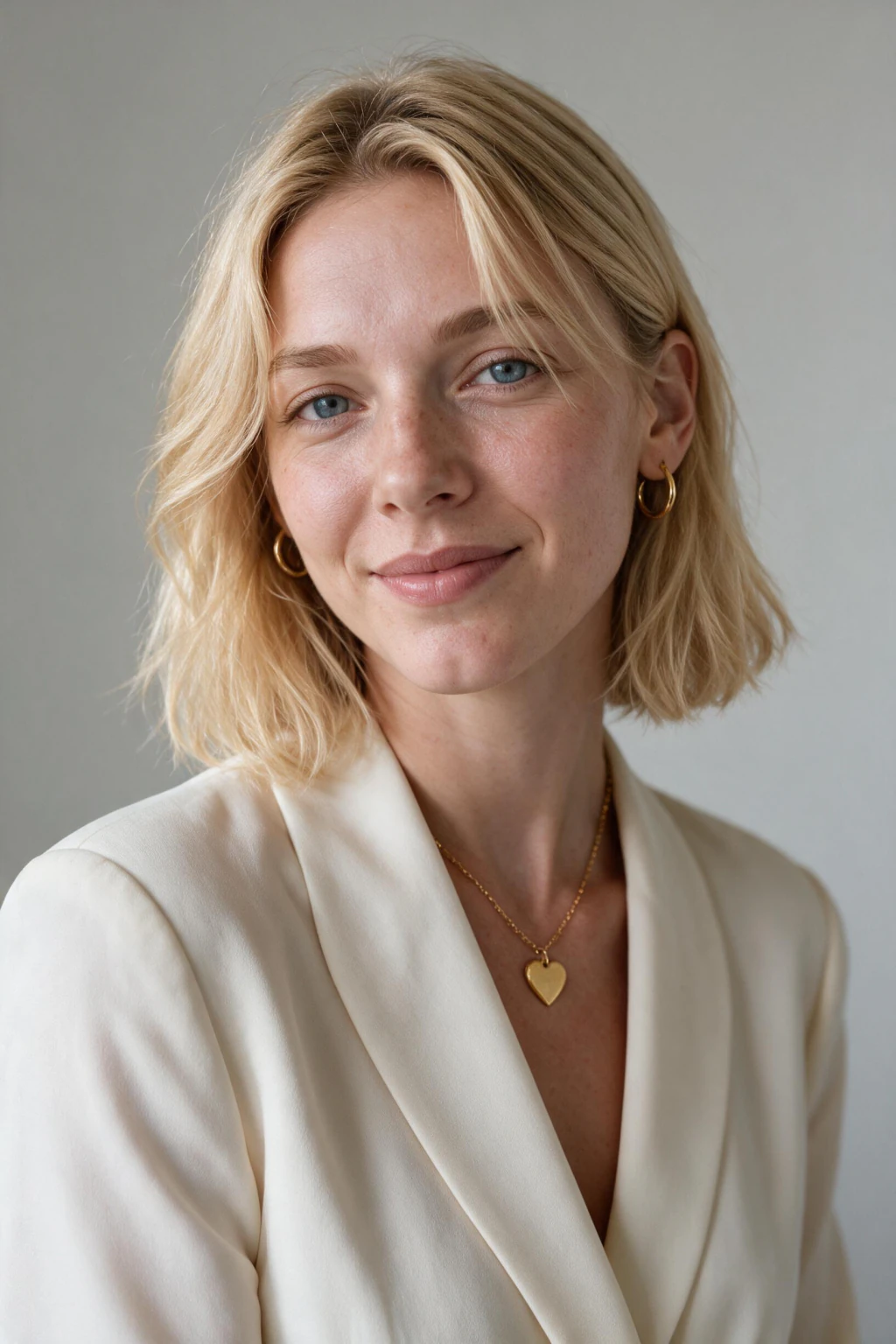
Upload a single clear selfie, choose the Modeling Editorial pack, and the AI learns your face, then renders an elegant artistic modeling portrait with Rembrandt or butterfly lighting, a refined editorial pose, and a neutral background palette (warm bone, paper white, soft graphite, dusty taupe). The result is editorial, not commercial: the goal is mood, texture, and shape, not a smiling catalog shot. Your real likeness stays consistent across every frame, so the model in the photo is you, not a stock face or a generic AI avatar. Most photos come back in about 2 minutes, sized for portfolios, comp cards, agency submissions, and Instagram.
Frequently asked questions
How do I make an elegant artistic modeling portrait with AI from my selfie?
Upload a single clear selfie to MakeAiPhotos, select the Modeling Editorial pack, and choose the Elegant Artistic Modeling Portrait prompt. The AI learns your face and generates fine-art editorial portraits in about 2 minutes with Rembrandt or butterfly lighting, refined poses, and a neutral background palette, ready for portfolios and comp cards.
What does an elegant artistic modeling portrait AI photo look like?
An elegant artistic modeling portrait reads like a Vogue or Harper's Bazaar editorial page: dramatic directional light, a refined held pose, an unsmiling neutral expression, and a clean styled background. Texture (skin, fabric, hair) is preserved instead of smoothed flat. The result matches the polished, magazine-style look used in modeling portfolios and agency comp cards, not a posed catalog photo.
What is the difference between an editorial portrait and a commercial portrait?
An editorial portrait is built around mood, shape, and storytelling. The pose is held, the expression is neutral or thoughtful, the wardrobe is styled, and the light is intentional (Rembrandt, butterfly, or split). A commercial portrait is built to sell a product: open smile, eye contact with camera, even soft light, and a clean white background. The Elegant Artistic Modeling Portrait prompt targets editorial.
What lighting setup does the AI use for an elegant artistic modeling portrait?
The Elegant Artistic Modeling Portrait prompt favors editorial lighting setups: Rembrandt light (a single 45-degree key light forming a small triangle of light on the shadow-side cheek), butterfly light (a key light placed slightly above the lens, casting a soft butterfly-shaped shadow under the nose), and occasional split light (half face lit, half in shadow). The result is sculpted, three-dimensional, and unmistakably editorial.
What poses work best for an elegant artistic modeling portrait?
Editorial portraits rely on a held pose, not a candid smile. Strong poses include a three-quarter turn with the chin lowered slightly toward the lit shoulder, a clean profile against a wall, hands resting at the collarbone, hands cupping the jawline, or one hand brushing the hair back. Avoid hands in pockets, double thumbs-up, and big open-mouth smiles, those read commercial, not editorial.
Where should I place my hands in an elegant modeling portrait?
Hands belong at the collarbone, jawline, neck, or hairline, not flat against the body. Use soft curled fingers, never a clenched fist or a stiff splay. One hand visible is usually stronger than two. If both hands are in frame, vary the height (one at the jaw, one at the waist). Hands should look relaxed, with weight, not hovering or floating.
What background palette works best for an elegant artistic modeling portrait?
A neutral background palette wins for editorial work: warm bone, paper white, soft graphite, dusty taupe, or charcoal. The background should support the subject, not compete with it. Avoid bright primary colors, busy patterns, and full-saturation backdrops. A clean neutral wall or studio backdrop reads agency-ready and keeps the eye on the face and pose.
Can I use an elegant artistic modeling portrait AI photo for a real modeling portfolio or comp card?
Yes. Elegant artistic modeling portraits from MakeAiPhotos meet the visual quality standard for portfolios, comp cards, agency submissions, and Instagram modeling feeds. For first-time submissions to a serious mother agency, you may still want one in-person digital test alongside AI editorial work, but for self-submissions, scouting platforms, and creative books, AI-generated editorial portraits are widely accepted.
Will the AI portrait actually look like me and not a stock model?
Yes. MakeAiPhotos works from the one selfie you upload and keeps your facial features consistent across every portrait. The lighting, pose, wardrobe, and background are generated, but the face stays true to your own photos so the portrait clearly reads as you, not a stock face and not a generic AI avatar.
How is an elegant artistic modeling portrait AI different from a real studio shoot?
A real editorial studio shoot means hiring a photographer (typically $300 to $1,200 a session), a hair-and-makeup artist, a stylist, and waiting two to four weeks for retouched images. MakeAiPhotos learns your face from one selfie and generates elegant artistic modeling portraits in about 2 minutes, with editorial lighting and pose direction baked into the prompt. The cost is a fraction of a real session.
How many selfies do I need for a realistic AI editorial portrait?
Upload one clear, well-lit selfie, front-facing with no sunglasses or heavy filters, in good even light, against a plain background, and with your hair styled the way you want the portrait to read. A sharp selfie gives the AI a fuller picture of your face, which produces a sharper, more refined editorial portrait that holds up at print resolution.
What prompt elements make an elegant artistic modeling portrait look agency-ready?
The strongest editorial prompts stack four elements: a defined lighting style (Rembrandt, butterfly, or split light), a held editorial pose (chin lowered, neutral expression, hand at the collarbone or jawline), a neutral background palette (bone, paper white, graphite, taupe), and a styled wardrobe (tailored neutral piece, no logos, no bright primary colors). The Elegant Artistic Modeling Portrait prompt bakes all four in by default.